

A large shopping center is not one radio environment.
Retail staff may be working several floors above security personnel in an underground garage. Engineering teams move through service corridors and equipment areas, while customer-service personnel need to coordinate across shops, internal walkways and busy public spaces.
Walls, elevator cores, metal shelving and changes in floor level can all weaken conventional direct radio communication.
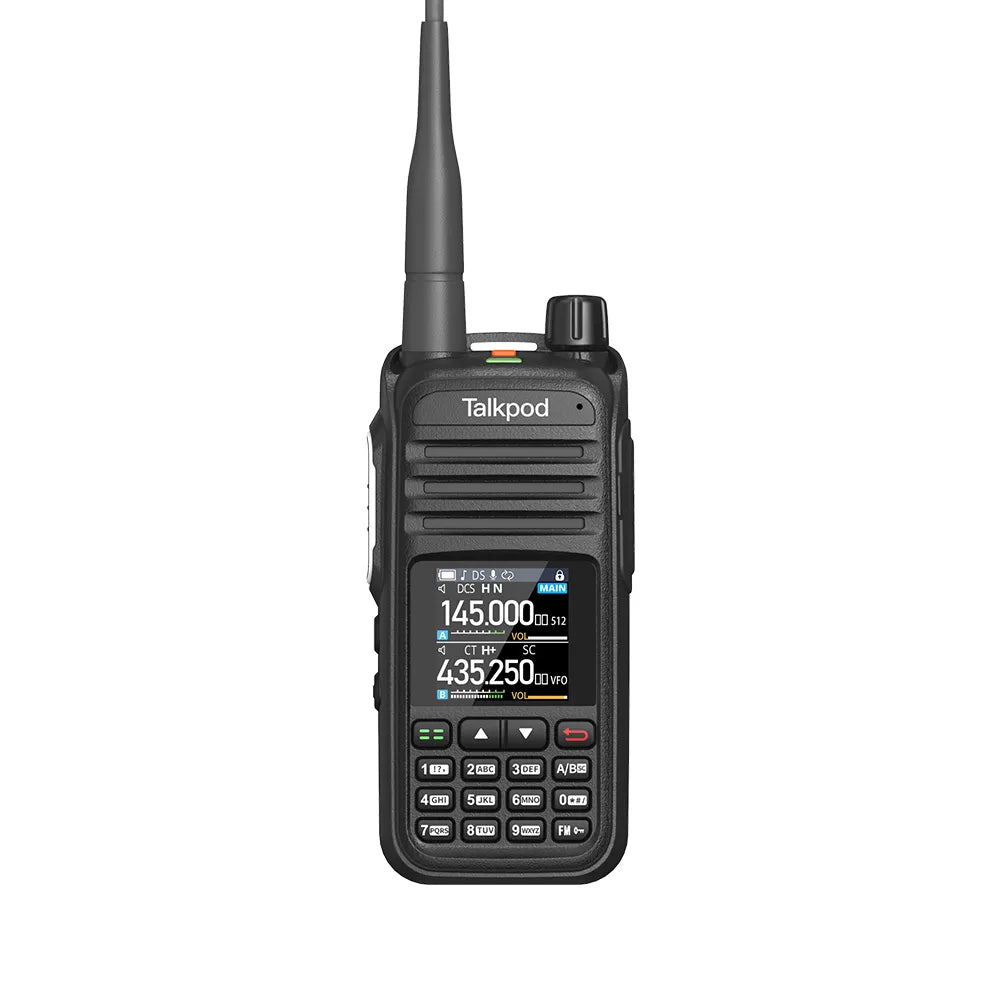
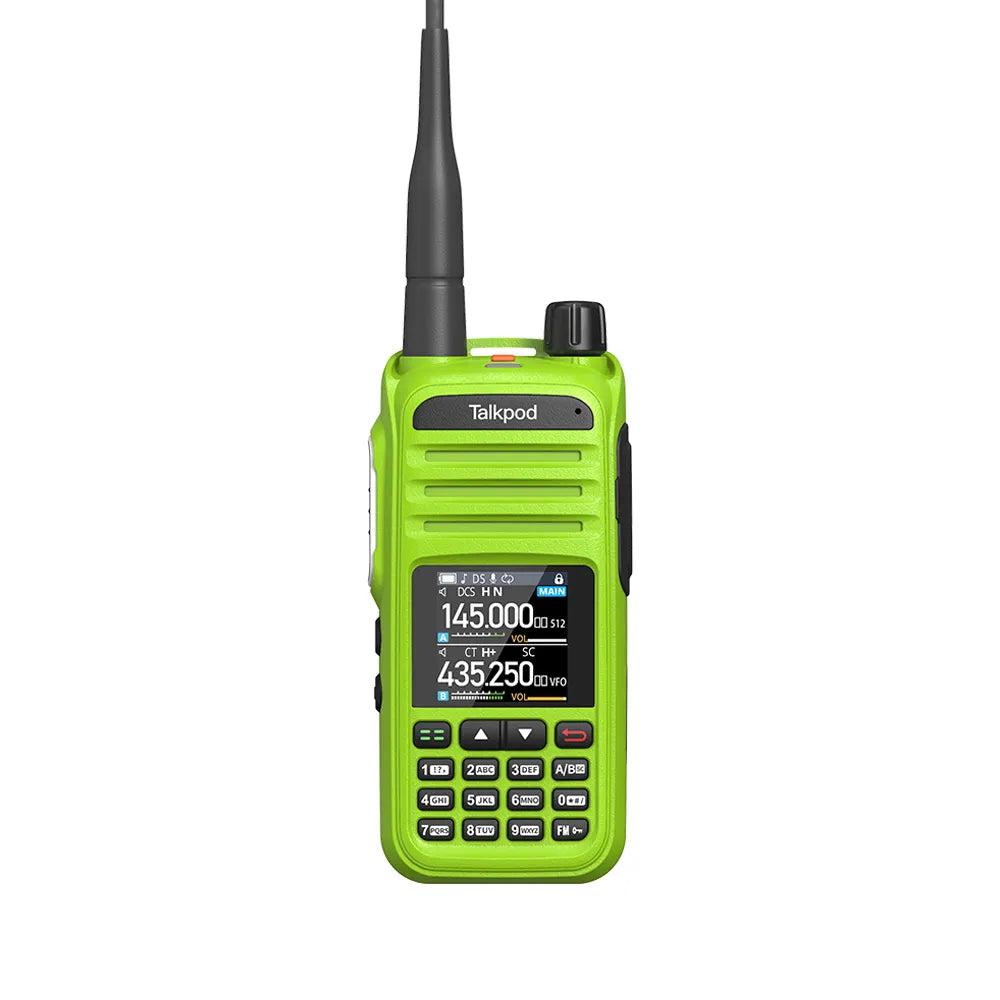
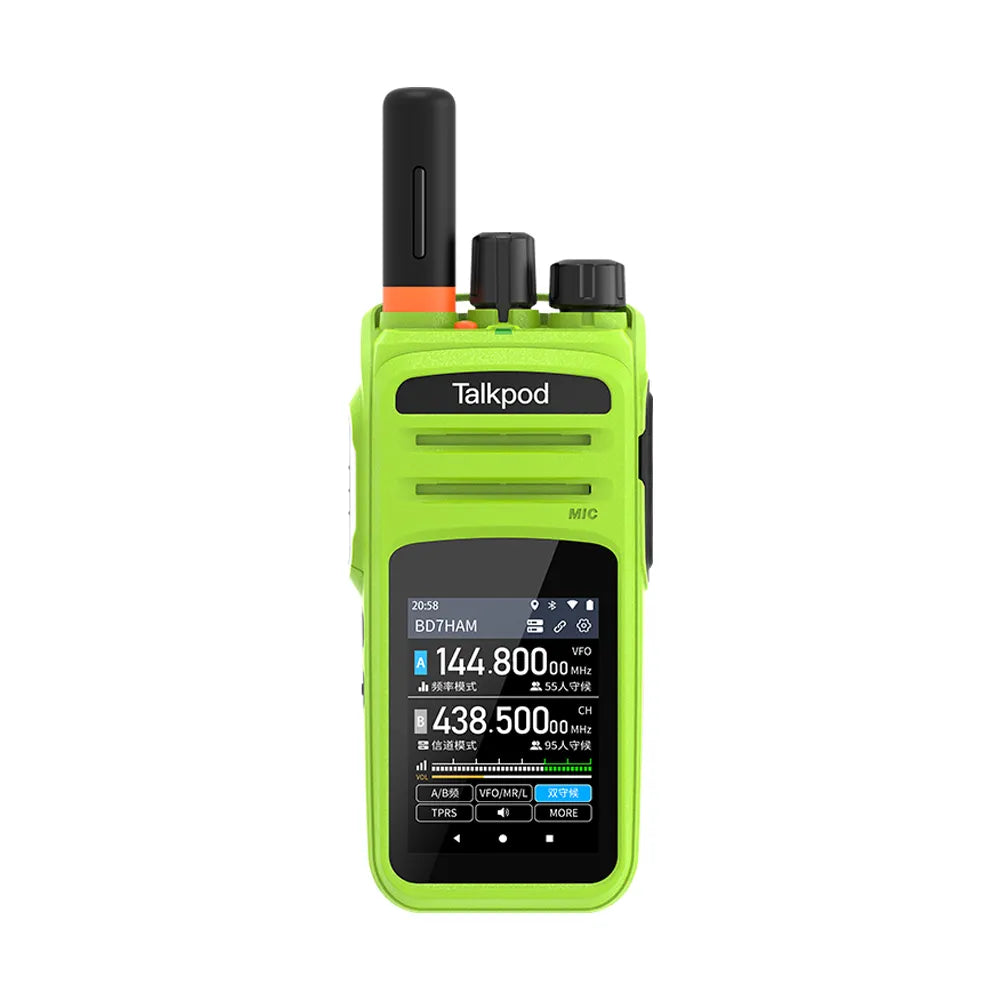
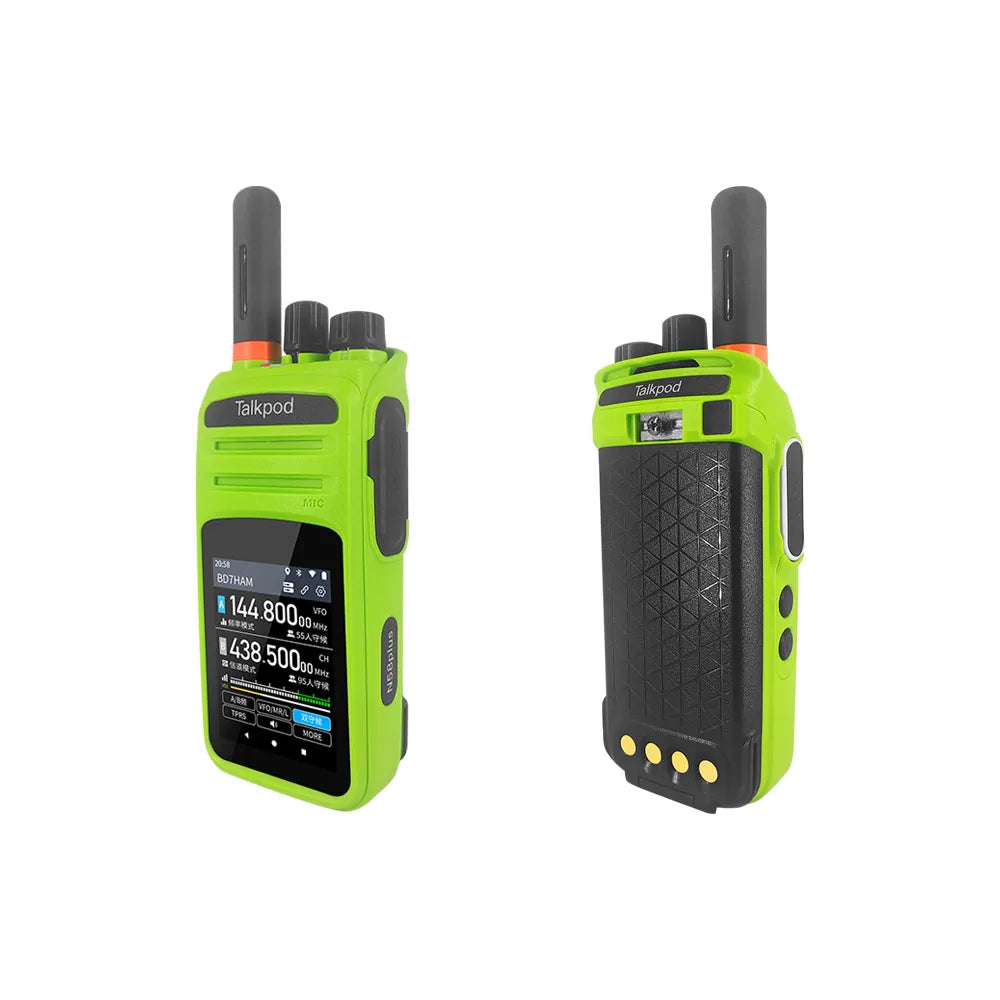
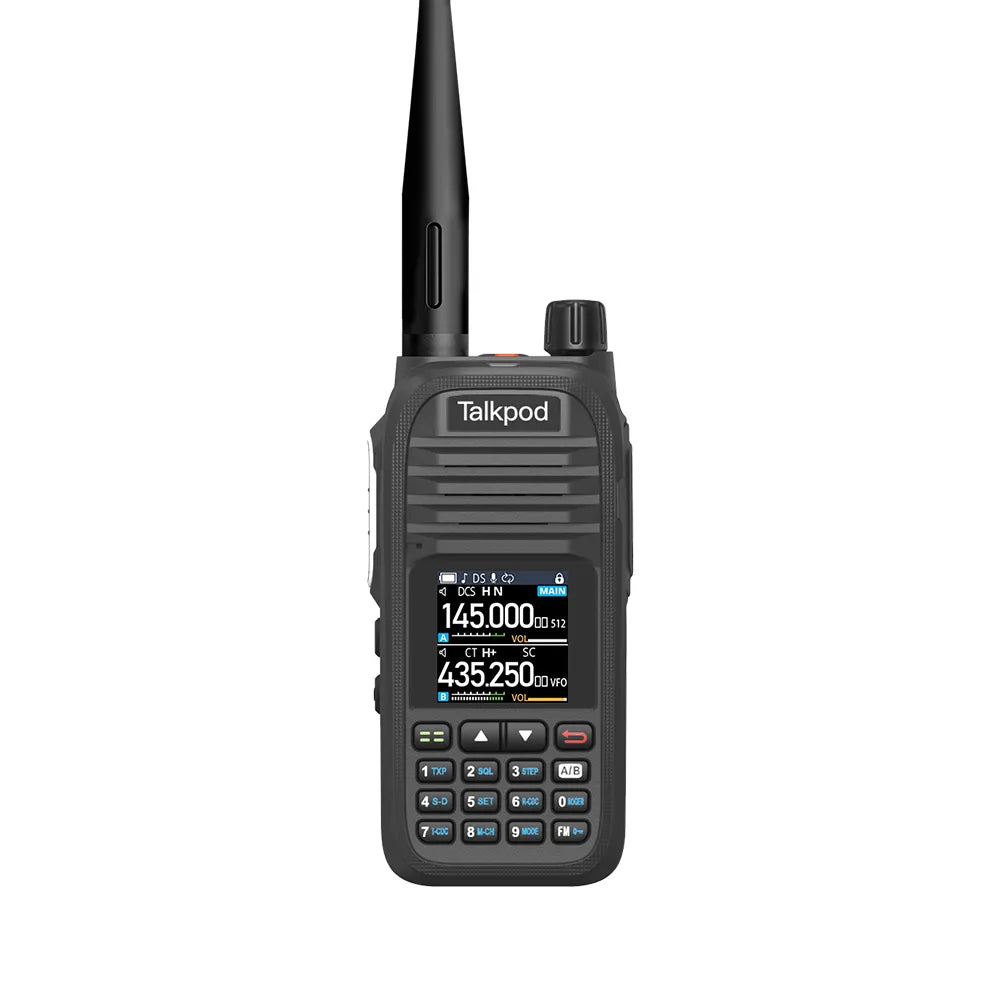
At Hangzhou Tianyang Mingzhu Commercial Center, the Talkpod A50P digital ad hoc networking radio provides another way to build local communication across those separated areas.
The A50P can automatically form a radio network without depending on a public mobile network or conventional fixed base station. Compatible units can relay traffic through intermediate radios, allowing the communication path to extend beyond a single direct handheld-to-handheld link.
For a multi-level commercial property, that flexibility can be particularly useful where building structure makes ordinary local coverage uneven.
Large commercial centers create fragmented RF environments
Shopping centers contain many different structures within the same property.
Open atriums may provide relatively favorable propagation, while underground garages, stockrooms and service corridors behave very differently.
Concrete walls, metal shelving, escalator structures and elevator shafts can all affect radio signals.
A conventional handheld may work well between two nearby shops but become unreliable several floors away.
The A50P approaches the problem through ad hoc multi-hop networking.
Rather than requiring every radio to maintain a direct link to every other user, compatible devices can form intermediate communication paths.
That can help connect personnel working in physically separated parts of the property.
It does not mean building structure stops mattering.
Automatic networking reduces dependence on fixed infrastructure
The A50P does not require a traditional fixed base station simply to establish its local ad hoc network.
When appropriately configured units are powered on and within workable RF reach of one another, they can establish the communication structure automatically.
For a commercial center, this can reduce the amount of fixed radio infrastructure required for certain deployments.
It can also make the system more flexible when retail layouts or operating zones change.
If one department moves or another area is brought into service, the communication arrangement can be adjusted around the new operating pattern.
The important advantage is flexibility.
It should not be interpreted as automatic coverage of an unlimited building.
Multi-hop relay can extend communication between floors
A shopping center may contain several points where a direct radio path is difficult.
One example is communication between an underground parking level and a higher retail floor.
If suitable A50P units are positioned between those locations, traffic can be relayed through intermediate nodes rather than relying on one long direct RF link.
The same principle can be used along internal walkways, service corridors or separated retail zones.
Each relay extends the communication path.
But every hop still needs a viable radio link.
If two neighboring nodes are separated by too much concrete, metal or distance, the path can weaken or fail.
Multi-hop networking reduces coverage gaps when deployed correctly.
It does not make RF propagation irrelevant.
A layered deployment should follow the building
The source describes a customized layered networking plan for the commercial center.
That is the right approach for a complex building.
Instead of treating the entire property as one open radio space, deployment can be planned around the way the building is actually constructed.
Nodes can be tested at key transition points such as garage exits, stair or lift lobbies, service corridors and connections between major retail zones.
The objective is to create a chain of workable links through the building.
If the layout changes, the network arrangement can be adjusted.
This makes the A50P particularly useful in environments where fixed communication coverage is difficult to predict from floor plans alone.
Coverage still needs to be measured on site
Claims of “zero dead zones” should be avoided unless supported by a detailed site survey.
Commercial buildings can produce unexpected RF behavior.
A metal fire door, dense stockroom or newly installed display structure can change signal conditions in a specific location.
For that reason, the final deployment should be tested during normal operating conditions.
Underground parking, retail floors, stairwells, internal walkways, loading areas and back-of-house service rooms should all be checked.
If a weak point remains, the network may need another relay position or a different node placement.
A strong ad hoc network is designed around measured conditions rather than assumed coverage.
Digital voice can support clearer operational communication
The A50P uses digital voice communication.
In a busy commercial environment, that can help provide more consistent voice quality while the RF link remains above the decoding threshold.
For short operational messages, clearer speech can reduce repeated calls and misunderstandings.
But digital communication still has limits.
Once the signal becomes too weak, audio can deteriorate quickly or disappear entirely.
That makes node placement and coverage testing just as important as the digital codec itself.
Digital processing can improve a workable link.
It cannot create a link where RF connectivity no longer exists.
Encryption can add protection to internal traffic
The source also describes encrypted digital communication.
When properly configured, encryption can add protection against casual unauthorized listening.
That can be useful when teams are discussing internal operations, stock movements or incident response.
But encryption should not be described as guaranteeing complete confidentiality.
Actual protection depends on the encryption implementation, configuration, key management and control of the radios themselves.
Encryption also does not eliminate RF interference.
Information security and radio coverage are separate issues.
For truly sensitive business or personal information, the commercial center should continue using its approved management systems rather than relying solely on voice radio.
Dedicated groups can reduce unnecessary traffic
A large commercial center contains many departments.
Retail staff, security, engineering and customer service often do not need to hear the same routine messages.
The source describes dedicated shortcut communication groups configured around different operating functions.
That can help reduce irrelevant radio traffic.
Retail personnel can remain focused on customer-facing tasks while engineering teams discuss technical issues within their own group.
When a situation requires several departments, authorized users can move communication across the relevant groups.
The objective is not simply to create more channels.
It is to make the communication structure resemble the operating structure.
Customer-service requests can move faster between floors
A shopper may ask for help locating an item, finding a particular store or checking whether another part of the center has stock.
Without direct communication, staff may need to make several phone calls or physically walk to another floor.
With the A50P, frontline personnel can pass that request to another staff member without leaving the current service point.
The same principle applies to temporary stock transfers or customer-service coordination.
These are not dramatic emergencies.
But they occur repeatedly throughout the day.
Reducing the time spent physically searching for colleagues can make normal retail operations noticeably smoother.
Crowd management benefits from cross-department communication
Busy shopping periods create another challenge.
A temporary queue, event or congested walkway can require security, customer service and retail personnel to coordinate at the same time.
A structured radio network can help those teams share short operational updates while remaining in their assigned areas.
That may reduce the time required to redirect people, open another access route or bring additional staff to a crowded location.
The radio supports coordination.
It does not replace crowd-management plans, evacuation procedures or trained security supervision.
Those remain part of the property's formal operating system.
Medical incidents require established response procedures
A visitor may occasionally become unwell inside the shopping center.
The A50P can help staff contact security, customer service or designated first-aid personnel quickly.
That can shorten the initial communication chain.
But the radio is only one part of the response.
Staff should continue to follow the commercial center's established first-aid and emergency procedures, including contacting professional medical services when appropriate.
The A50P connects the people involved.
It does not replace medical assessment or emergency-service activation.
Fire hazards require dedicated safety systems
The same distinction is important for fire-related incidents.
A staff member who notices smoke, an unusual smell or another potential hazard can use the radio to notify appropriate personnel.
But a handheld communication system should never replace the building's fire detection, alarm, suppression and evacuation systems.
If a genuine fire condition is identified, the center's formal fire and evacuation procedures remain primary.
Radio communication supports the people carrying out those procedures.
It does not become the fire-safety system itself.
Lightweight equipment is easier for frontline staff to carry
Retail and service personnel may carry a radio throughout an entire shift.
The source describes the A50P as using a slim, lightweight body intended for frequent handheld use.
That matters in a commercial environment.
Staff may already be carrying mobile terminals, keys, access cards or other work equipment.
A compact radio is more likely to remain with the user instead of being left at a counter.
Portability is therefore not simply a design preference.
It affects whether the communication network remains populated by the people who are supposed to use it.
Ad hoc networking still needs a fallback plan
Even a well-designed multi-hop network can experience disruption.
A relay radio may lose power. A unit may be moved to another location. A shop refurbishment may change the RF path.
The commercial center should therefore identify which communication paths are operationally important and what staff should do if one becomes unavailable.
That may involve repositioning radios, using a spare unit, switching to another approved communication method or following an established fallback procedure.
A resilient network is not one that assumes failure is impossible.
It is one that is prepared for it.
A communication network that can follow the property layout
The practical advantage of the Talkpod A50P at Hangzhou Tianyang Mingzhu Commercial Center is its ability to build a local network around the physical structure of the site.
Automatic ad hoc networking reduces dependence on external infrastructure. Multi-hop relay can extend communication between separated floors and service areas, while digital voice and dedicated groups can make routine traffic easier to manage.
The benefit should not be expressed as communication that is immune to walls or able to cover every point automatically.
A more credible objective is to create a chain of reliable RF links through the property, test that chain under real operating conditions and adjust relay positions as the commercial environment changes.
For a large shopping center, that flexibility can be more valuable than a promise of perfect coverage.

Leave a comment
All comments are moderated before being published.
This site is protected by hCaptcha and the hCaptcha Privacy Policy and Terms of Service apply.