
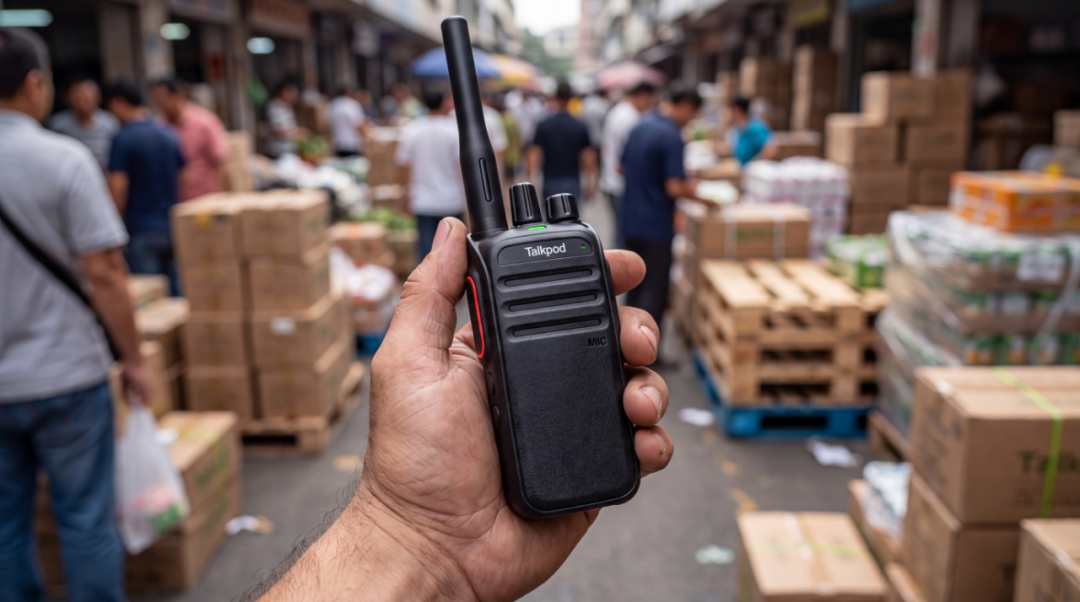
A large wholesale market operates more like a small district than a single building.
Security teams patrol entrances and trading areas. Property personnel inspect facilities. Warehouse staff coordinate loading and stock movements, while merchant-service teams respond to problems across thousands of square meters of stalls, corridors and storage areas.
The challenge is not simply distance.
Metal shelving, stacked goods, concrete partitions and basement storage spaces all affect local radio propagation, while several operational teams may need to communicate at the same time.
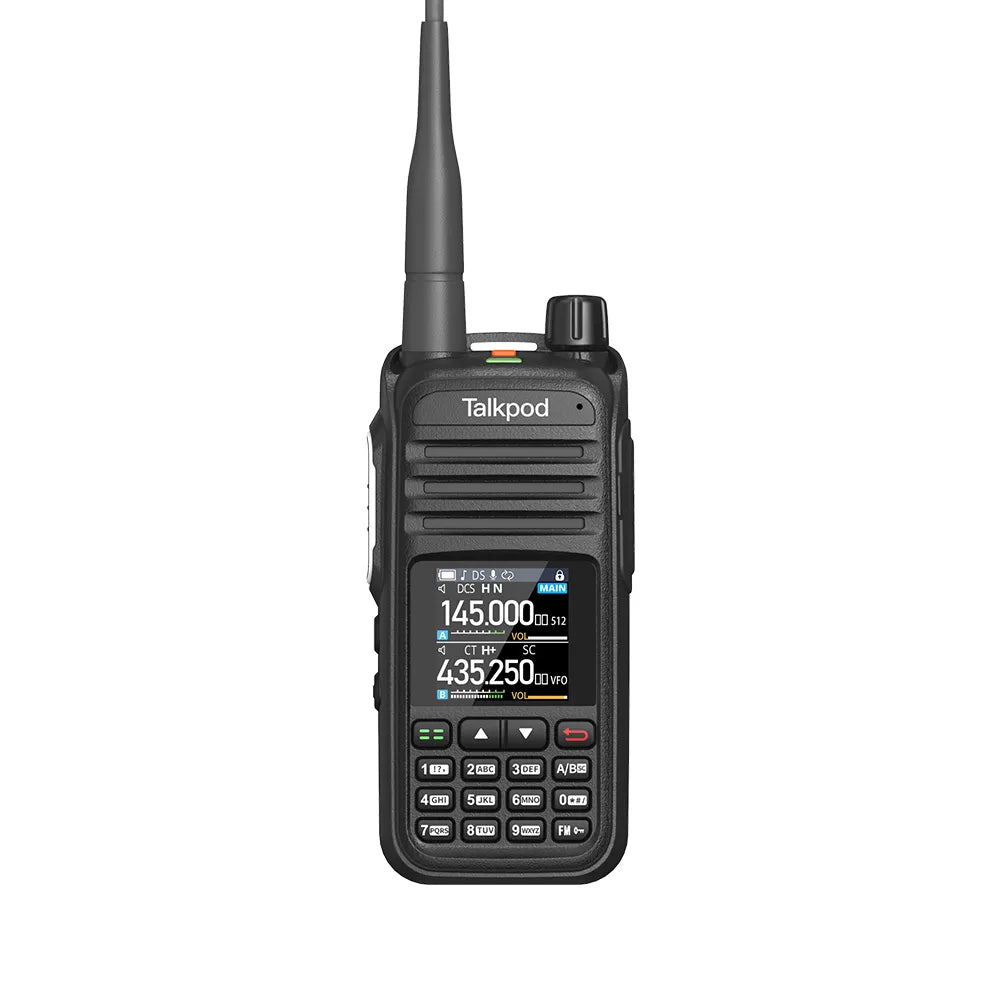
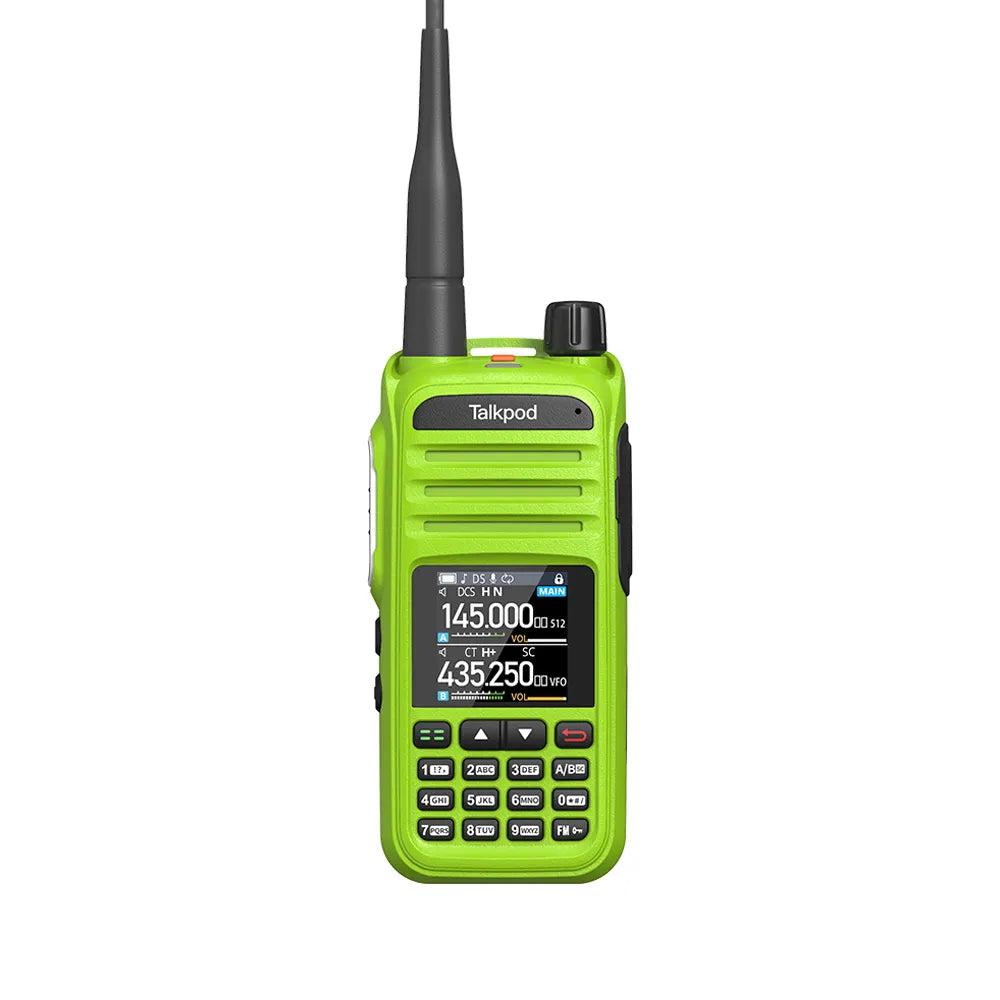
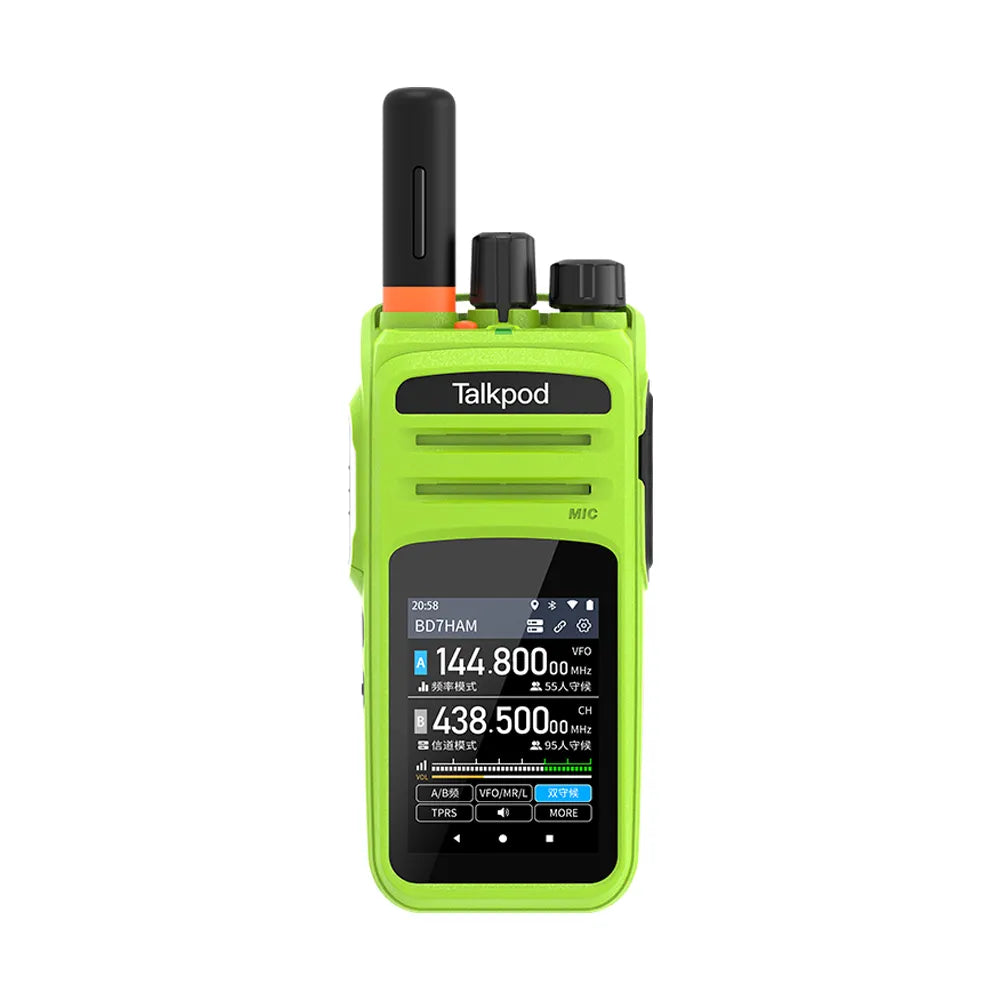
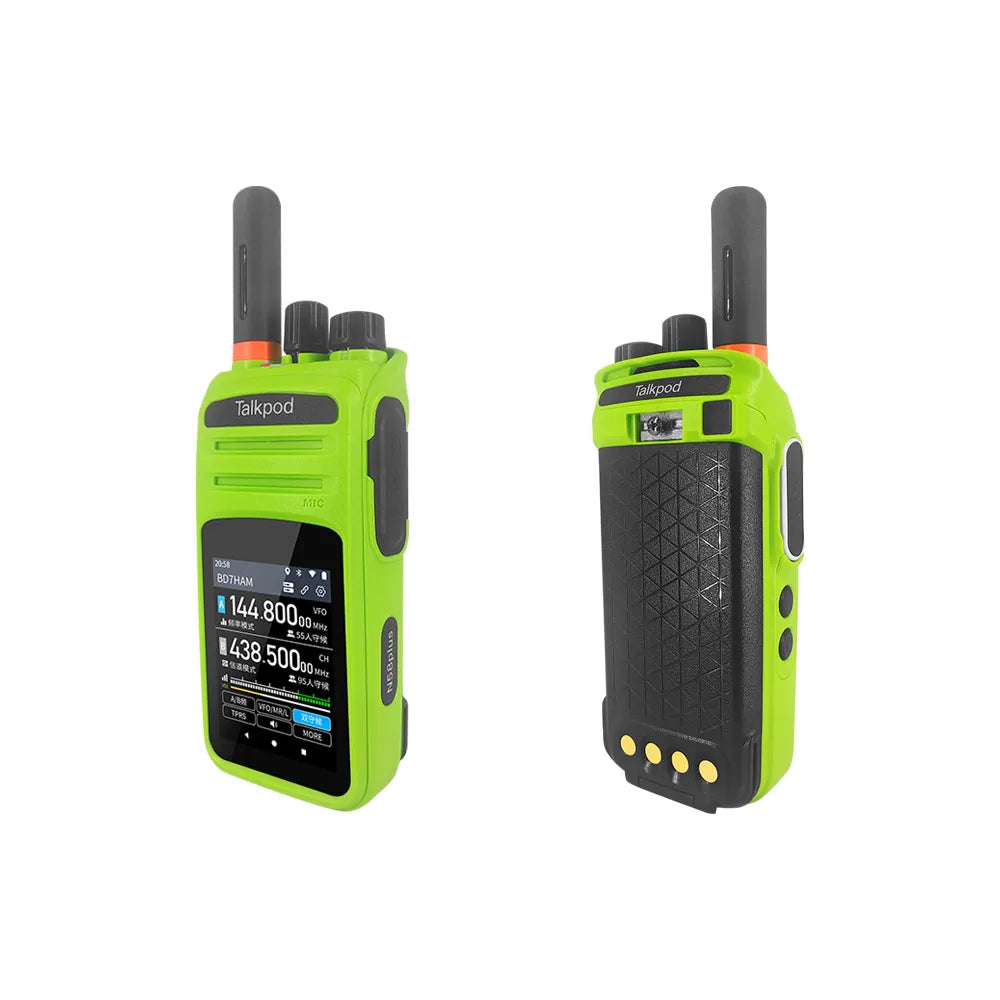
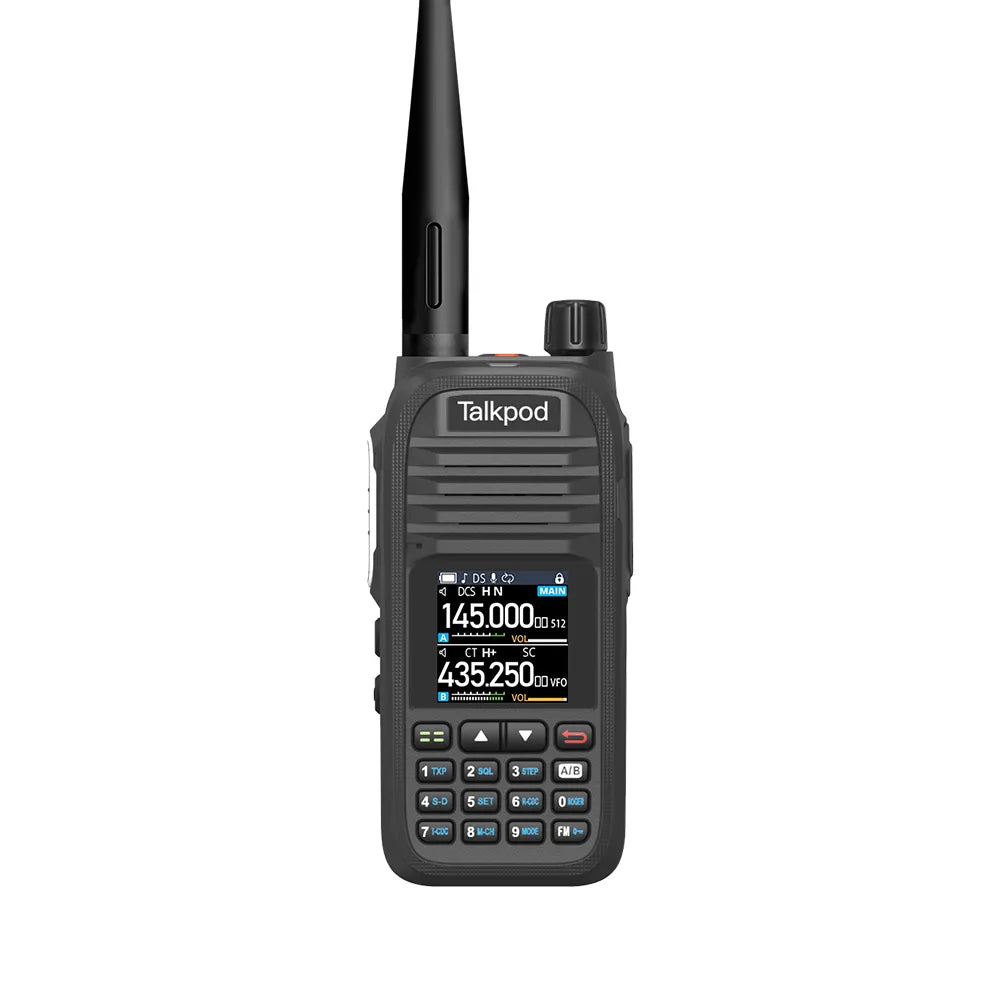
The Talkpod D30 digital radio provides a local communication layer for this environment, combining up to 5 W transmit power, digital voice processing, 32 programmable channels and flexible charging options.
Used with a practical channel plan and real coverage testing, it can help market operators keep routine coordination moving without relying on staff to physically search for one another.
Dense storage environments make radio coverage unpredictable
Wholesale markets contain many of the materials that complicate RF communication.
Metal shelving, refrigeration equipment, stacked hard goods, concrete walls and enclosed storage rooms can all reflect or attenuate radio signals.
The source describes the D30 as using a loaded long antenna together with transmit power of up to 5 W.
Those characteristics can support stronger local communication in some environments.
But they should not be interpreted as guaranteeing penetration through every obstacle.
A radio link that works well along an open trading aisle may behave differently inside a warehouse surrounded by several rows of metal racking.
For that reason, coverage should be tested at the actual operating locations rather than assumed from the transmitter specification alone.
Coverage planning should follow the market layout
A useful radio survey should include the places where employees actually work.
That may mean loading bays, underground storage, property offices, security posts, narrow warehouse aisles, service corridors and the outer edges of the trading area.
If a weak point is identified, the operator can adjust the communication plan, user positions or supporting infrastructure.
Higher transmit power can help in some cases.
It cannot compensate indefinitely for poor propagation.
A large wholesale market should therefore be treated as a collection of different RF environments rather than one uniform coverage zone.
[Image]
Digital voice can remain usable where analog audio becomes noisy
The D30 uses narrowband digital voice coding and digital error-correction techniques.
This can provide an advantage in marginal signal conditions.
As an analog signal becomes weaker, users often hear increasing hiss and noise.
Digital systems can sometimes maintain more consistent voice intelligibility until the signal falls below the threshold required for reliable decoding.
That can make communication easier to understand in some edge-of-coverage situations.
But digital processing does not reconstruct unlimited amounts of missing information.
Once the signal becomes too weak or too corrupted, digital audio may begin to break up, sound robotic or disappear entirely.
This is often described as the digital “cliff effect.”
The useful benefit is improved intelligibility under some marginal conditions—not communication regardless of signal strength.
Error correction is not a substitute for RF coverage
Digital error correction can recover from some transmission errors.
It cannot solve a dead zone.
If a basement warehouse or distant corner has insufficient RF signal, no codec can create a reliable communication path from nothing.
That distinction matters when planning a large site.
If staff regularly work in a weak area, the solution should be based on improving coverage or changing the radio architecture rather than relying solely on digital processing.
Voice algorithms can make a workable link more usable.
They cannot turn an unusable link into a guaranteed one.
Thirty-two channels provide room to separate routine traffic
The D30 supports 32 programmable channels.
For a large wholesale market, that gives administrators flexibility to organize different operating teams.
Security, warehouse, property maintenance and merchant-service personnel can be assigned different channels where traffic volume justifies separation.
That reduces the amount of unrelated communication each employee has to hear.
A market operator might also organize channels by geographic area if the property is divided into several large zones.
The value is flexibility.
It does not mean that all 32 channels need to be used.
Channel planning should remain simple
It is easy to create a radio plan that looks organized on paper but becomes difficult for frontline staff.
If employees constantly need to switch between many channels, communication can slow down rather than improve.
A simpler structure is often more effective.
Each team should know its normal operating channel, which channel is used for cross-department coordination and what procedure applies during an emergency.
Supervisors may need access to several groups.
Most frontline users do not.
The best radio plan is the one employees can remember during a busy shift.
Separate channels are not complete isolation
Different programmed channels can reduce unwanted traffic, but they should not be described as completely independent or physically isolated networks.
Actual separation depends on the frequency plan, signaling configuration and surrounding RF environment.
Nearby businesses or other radio users may still operate on the same or adjacent frequencies.
If CTCSS, DCS, Color Code or similar access parameters are used, they can help organize users and reduce unwanted traffic.
They should not automatically be treated as encryption.
For ordinary market operations, the main objective is orderly communication rather than absolute confidentiality.
Warehouse coordination benefits from short radio exchanges
Wholesale markets generate constant movement of goods.
A warehouse team may need to know that a vehicle has arrived. A merchant may request assistance moving stock. Security personnel may need to clear an access route before a large delivery enters.
The D30 allows these short updates to move directly between the people involved.
That can reduce unnecessary walking and repeated phone calls.
It also helps supervisors coordinate several small tasks without leaving their current position.
The radio should not replace inventory, order or logistics systems.
Those systems remain responsible for recording stock movements and transactions.
Push-to-talk is best used for immediate operational coordination.
Security and property teams can respond more quickly
The same communication structure can support non-logistics work.
Property personnel may identify a lighting fault or blocked passage during inspection.
Security staff may need maintenance assistance at an entrance or help controlling vehicle movement.
A quick radio call can bring the appropriate team into the response without routing every issue through a central office first.
That can reduce the time between identifying a problem and assigning someone to handle it.
The value is especially clear in a large market where the physical distance between two departments can be significant.
Micro USB charging supports mobile staff
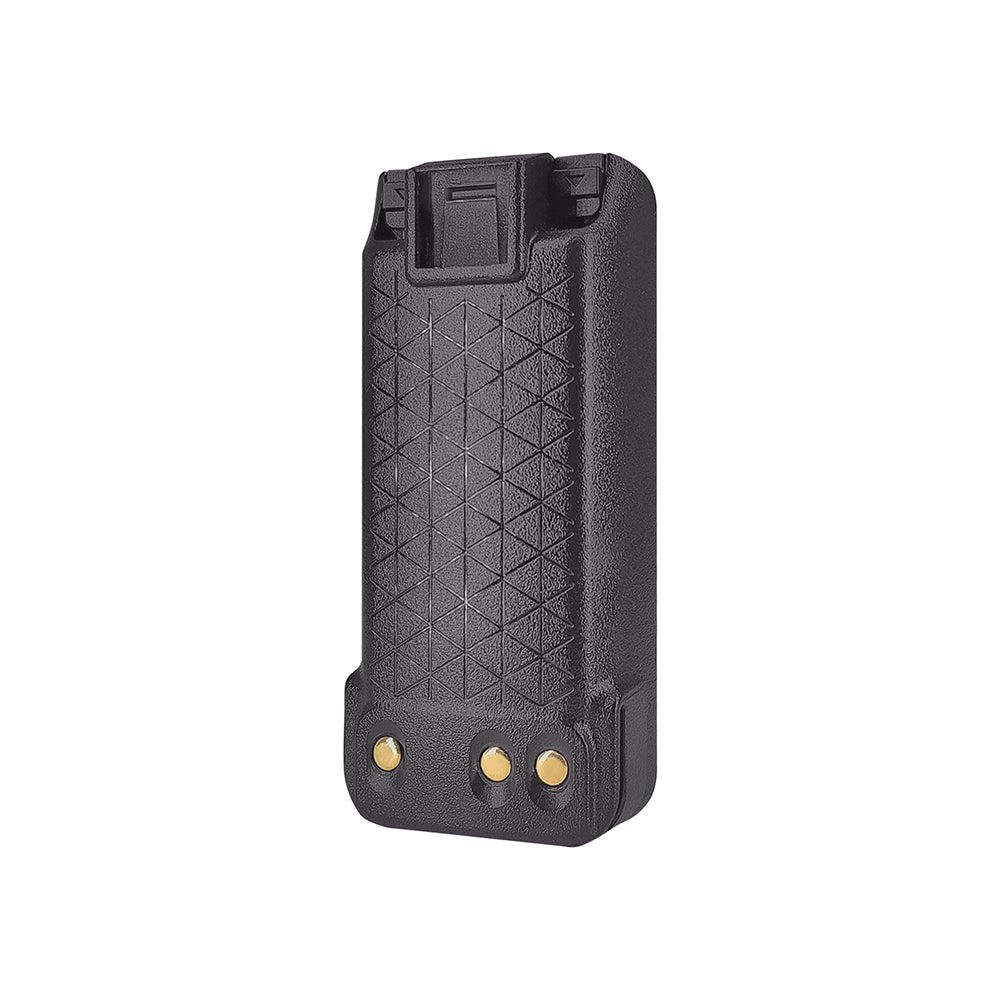
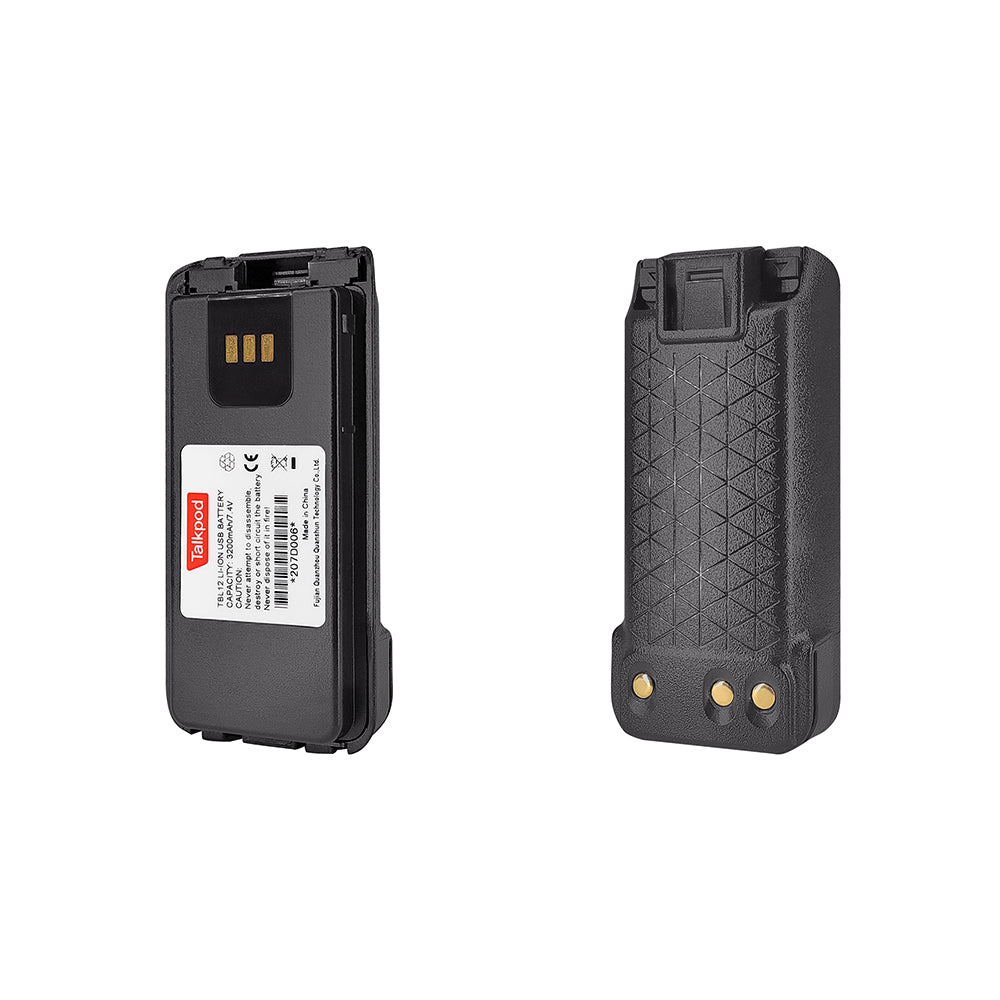
The source describes the D30 battery as providing a Micro USB direct-charging interface.
That gives staff more options when they are away from a fixed charging station.
A compatible vehicle USB port, power bank or other suitable power source can be used to recharge the device where the manufacturer's electrical requirements are met.
For personnel who spend most of the day moving through the market, that flexibility can be useful.
It reduces dependence on a single desk charger.
It does not eliminate the need for battery management.
Multi-unit chargers help manage a larger fleet
For centralized operations, the source also describes optional six-unit intelligent charging equipment.
That can be useful at a security post, property office or operations room where several radios return at the end of a shift.
Central charging makes it easier to rotate devices and begin the next shift with fully charged equipment.
A larger radio fleet benefits from treating charging as part of normal equipment management.
Devices should be checked, charged and rotated according to a schedule rather than waiting until a user reports a low battery.
The best way to avoid mid-shift power loss is not a single charging feature.
It is a consistent charging routine.
Public charging sources still require care
Convenient USB charging does not mean every available charger is automatically suitable.
The power source should meet the radio and battery manufacturer's requirements.
Damaged cables, unstable power supplies or inappropriate adapters should not be used simply because they have a compatible connector.
For a commercial fleet, standardized approved charging accessories make maintenance more predictable.
That becomes increasingly important when dozens of radios are being managed by different employees.
Local digital radio remains a site-based system
The D30 is a local radio rather than a nationwide public-network device.
Its usable range depends on transmitter power, antenna conditions, frequency, building layout and surrounding RF conditions.
If a wholesale market expands into separate buildings or remote warehouses, the existing handheld-to-handheld coverage may no longer be sufficient.
In that case, appropriate repeater infrastructure or another communication architecture may be required.
A 5 W transmitter can support strong local performance.
It does not make the radio a wide-area network by itself.
Clear communication rules matter as much as hardware
A busy market can quickly fill a radio channel with overlapping conversations.
Teams should therefore keep transmissions short, identify who they are calling and acknowledge important instructions.
Emergency and safety-related messages should have a clear priority procedure.
The same principle applies when several departments need to coordinate.
A technically capable radio cannot make a crowded channel orderly if every user speaks at once.
Good radio discipline remains one of the simplest ways to improve communication quality.
A practical communication layer for a large trading environment
The Talkpod D30 can provide a useful local communication system for wholesale-market operations.
Its 5 W maximum transmit power and antenna configuration can support communication across challenging trading and storage spaces, while digital voice processing and error correction can improve intelligibility under some marginal signal conditions.
Thirty-two programmable channels provide flexibility for separating operational teams, and Micro USB plus multi-unit charging options make fleet management easier for staff who spend much of the day away from an office.
Those capabilities should remain grounded in the realities of the site.
Metal racking can still create weak areas. Digital voice still fails once signal quality falls too far. Separate channels are not absolute isolation, and flexible charging does not replace battery discipline.
Used with a sensible channel plan and real coverage testing, however, the D30 can help security, warehouse, property and merchant-service teams spend less time searching for one another—and more time keeping the market moving.


Leave a comment
All comments are moderated before being published.
This site is protected by hCaptcha and the hCaptcha Privacy Policy and Terms of Service apply.