
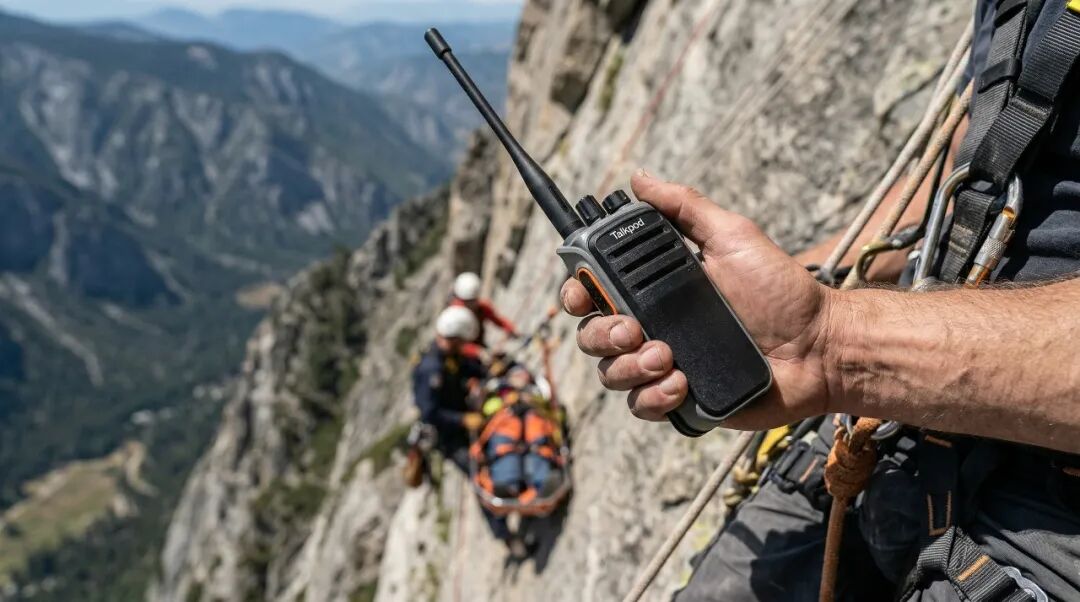
When rescue work moves upward, communication becomes harder. A building façade, a tower crane, a cliff face or the inside of a wind turbine can all turn a familiar rescue operation into a vertical coordination problem. Teams may be separated by height, structure and line of sight. Public mobile-network coverage may be weak or unavailable. Instructions must be clear, timely and reliable, because mistakes at height leave little room for correction.
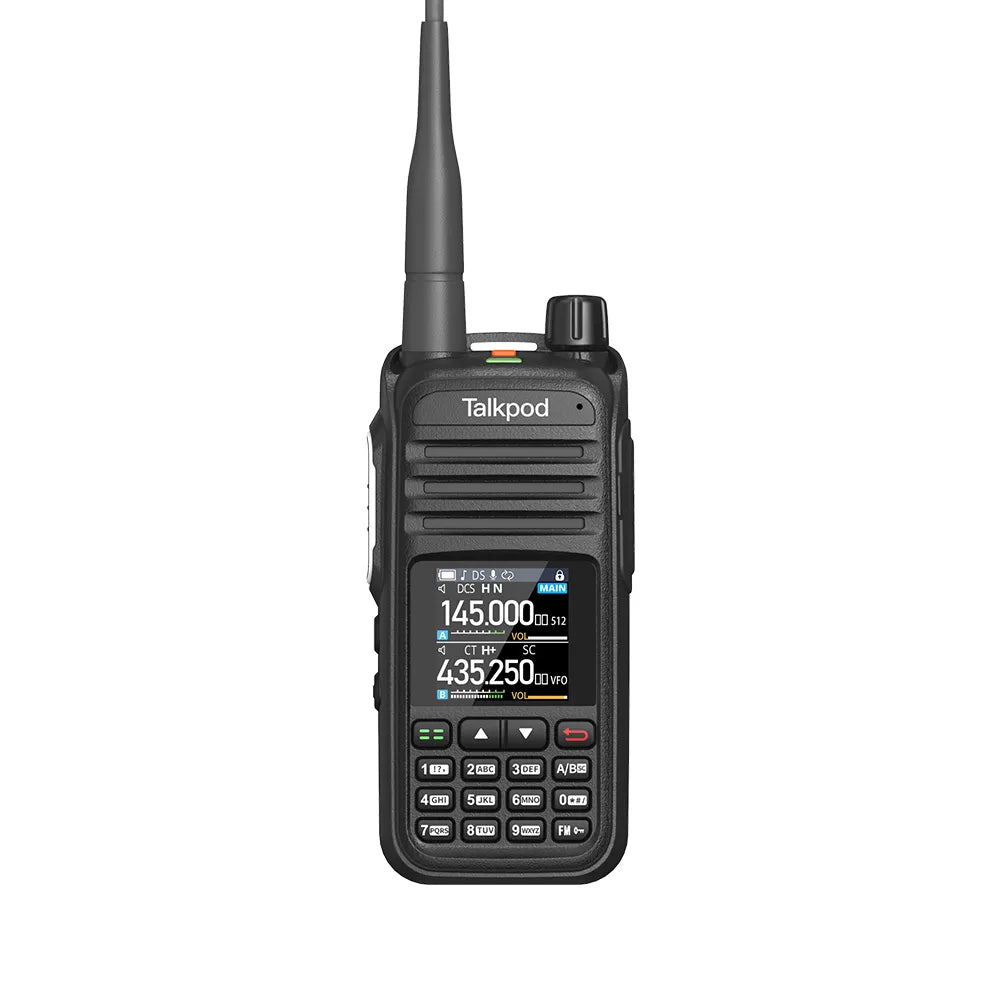
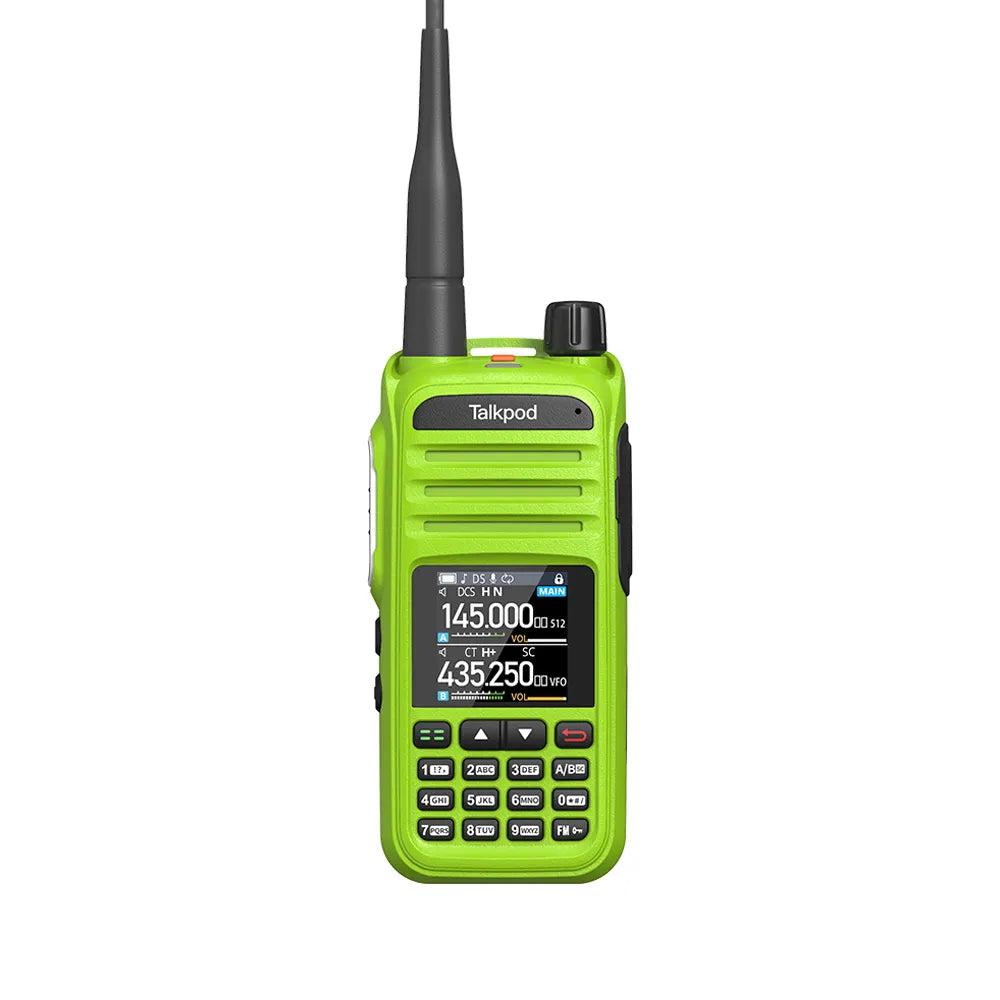
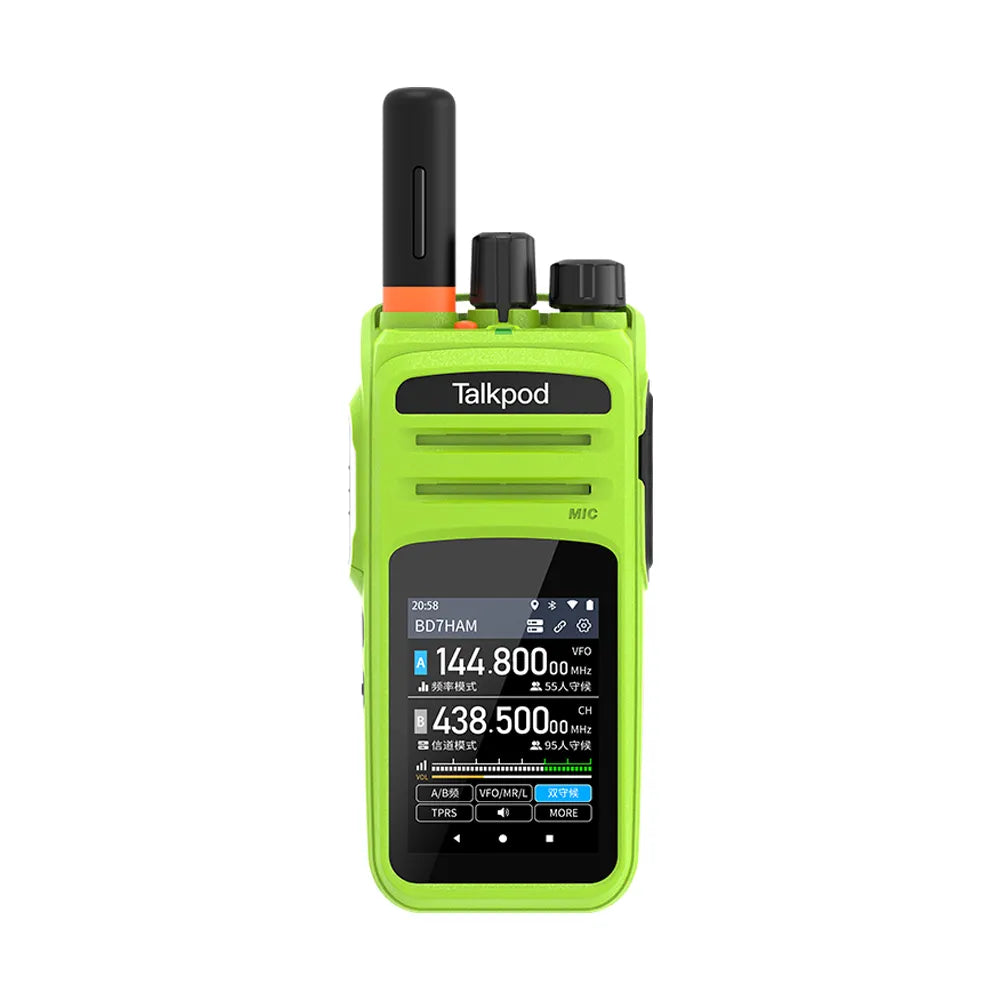
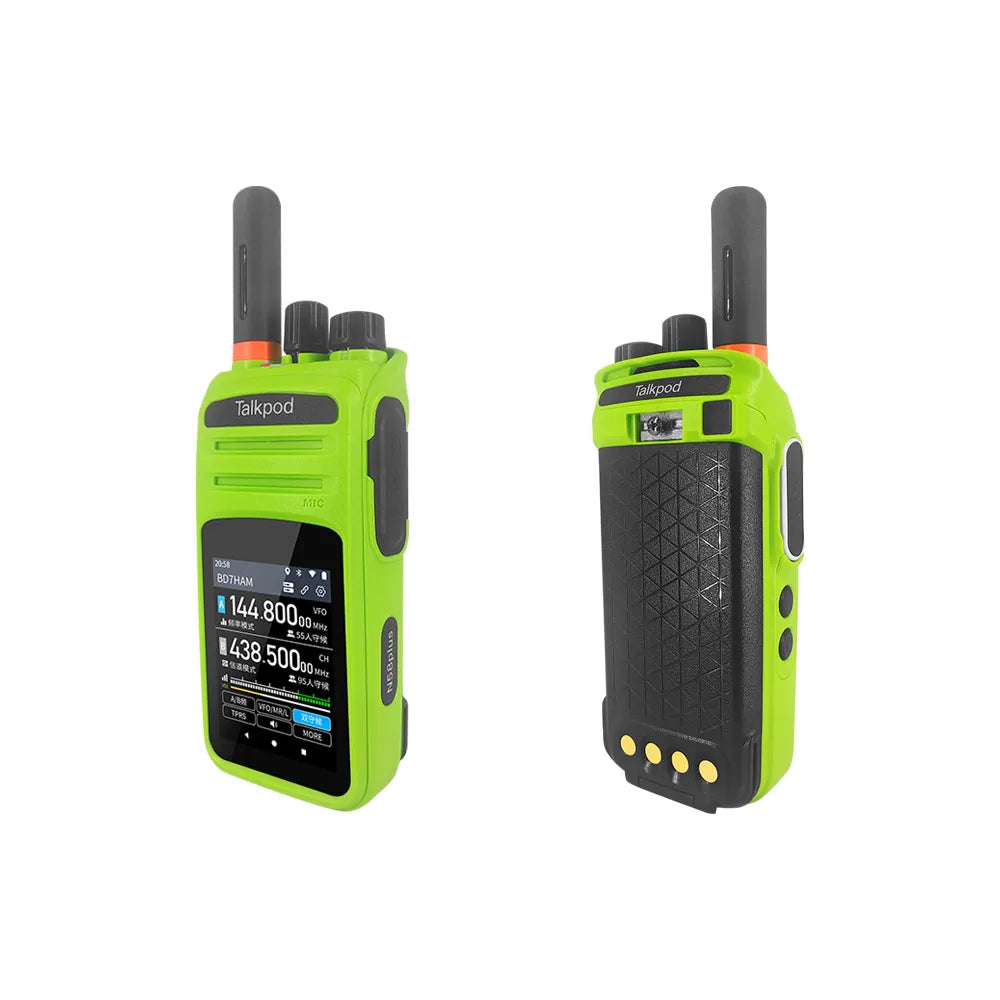
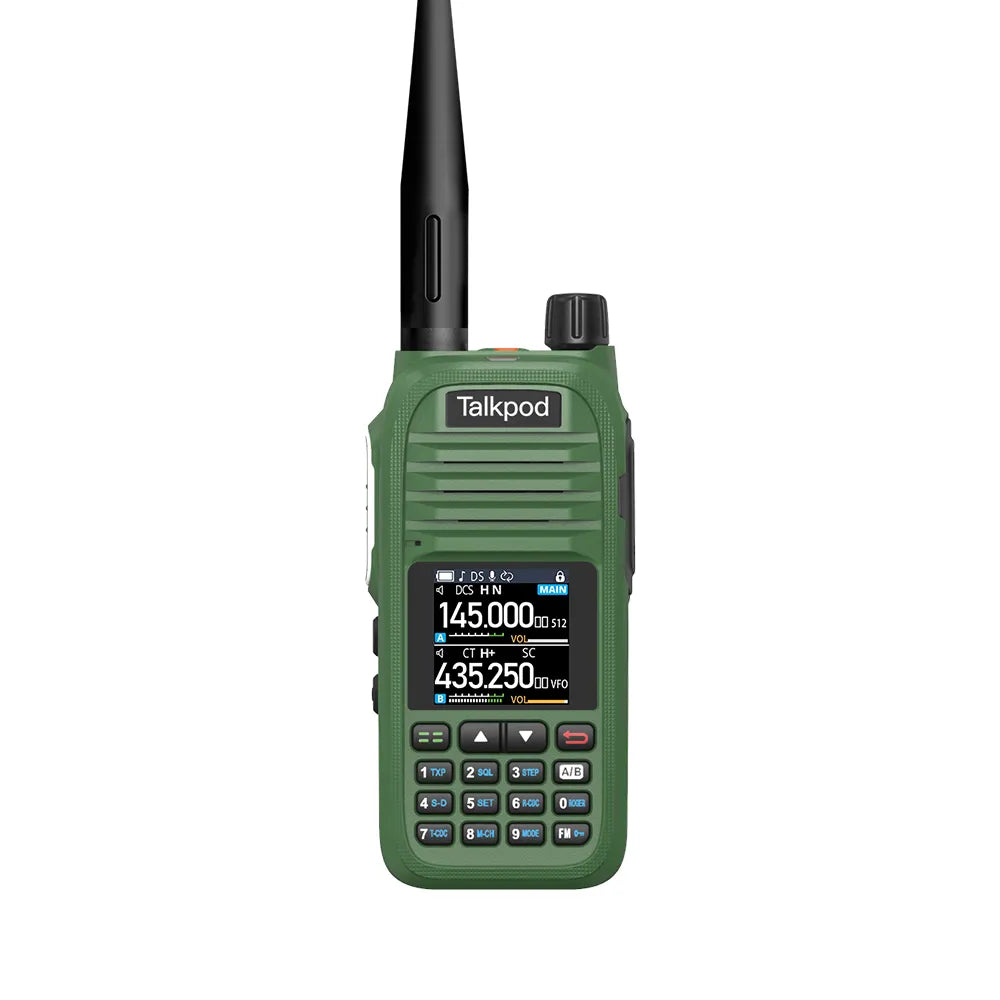
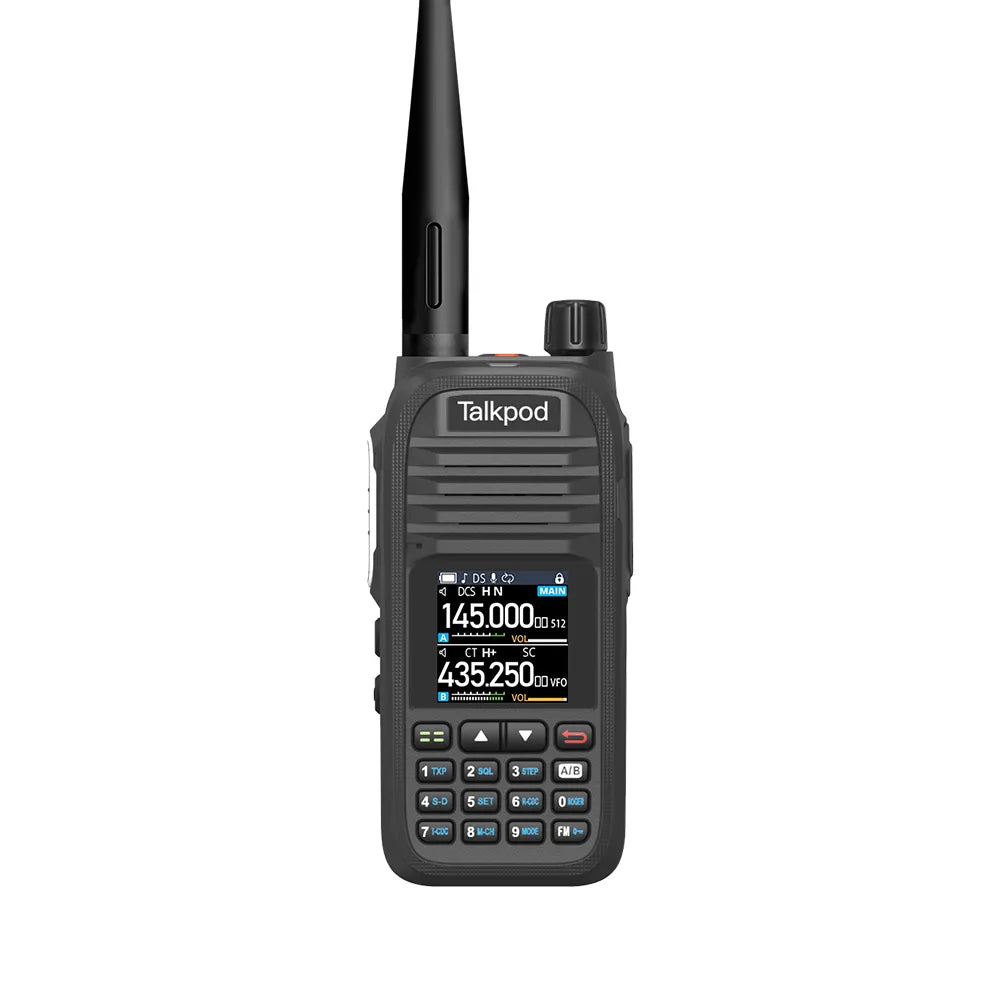
The Talkpod A50P ad hoc networking radio is designed for this kind of challenge. It does not depend on fixed base stations. Instead, it allows rescue teams to build a field communication network that can adapt to complex spaces and changing rescue positions.

Building a network through vertical space
High-altitude rescue sites are often full of signal obstacles. Metal frames, concrete walls and layered structures can block or reflect radio signals, creating blind spots between ground teams, intermediate floors and rescue personnel working above.
The A50P uses wireless interconnection technology and supports chain, mesh and tree networking modes. Once powered on, multiple radios can automatically form a communication network and support multi-hop relay.
In a high-rise rescue, for example, devices positioned at the ground command point, relay points on intermediate floors and the upper work area can help create a dynamic communication path. Voice instructions can move step by step through the network, improving the link between command teams and rescuers working at height.
Clearer voice in wind and mechanical noise
High-altitude rescue is rarely quiet. Wind, machinery, construction equipment and emergency activity can make ordinary voice communication difficult. At the same time, rescue instructions may involve precise movement, anchor points, personnel positions and safety warnings.
The A50P uses a digital voice protocol with digital noise reduction, helping reduce background noise and improve speech clarity. Whether teams are working near industrial equipment, on a high platform or in an exposed outdoor position, clearer voice communication supports safer decision-making.
The radio also supports encrypted communication, helping protect sensitive operational information such as rescue plans, team positions and command instructions.
Rugged, but light enough for rescue work
Equipment used at height must be durable, but it must not become a burden. Rescue personnel may already be carrying ropes, harnesses, helmets, tools and protective gear.
The A50P is built to IP67 dust- and water-resistant standards and uses a rugged sealed structure to help resist rain, dust and harsh field conditions. It is designed to withstand demanding use, including impact, vibration, temperature changes and humidity.
Its ergonomic body also makes it easier to operate while wearing gloves or safety equipment. For rescuers who need to move carefully and keep both weight and handling simple, that balance between toughness and portability matters.
Flexible grouping for three-dimensional command
High-altitude rescue usually involves several teams working at once: a roof anchor team, a suspended rescue team, a ground support team, a medical team and sometimes specialist technical staff. If all communication is placed on one channel, instructions can quickly become crowded and confusing.
The A50P supports multiple channels, group calls and individual calls. Commanders can assign different group IDs to different rescue teams, allowing each unit to coordinate its own tasks while remaining part of the wider operation.
Individual call functions also allow direct communication with a specific rescuer or team leader. This is useful for urgent updates, safety checks or one-to-one guidance during critical moments.

Keeping the line open above ground
High-altitude rescue is a race against time, gravity and uncertainty. Reliable communication is the nervous system of that operation. It keeps command visible, teams coordinated and safety instructions moving.
The Talkpod A50P combines automatic ad hoc networking, multi-hop relay, digital noise reduction, encrypted voice, rugged protection and flexible dispatch functions in a portable radio built for field rescue. For fire-rescue teams, power-line emergency crews, mountain-rescue units and specialist work-at-height operators, it offers a practical way to maintain communication across height, structure and difficult terrain.
In modern rescue systems, a radio is more than a device for carrying voice. In the right network, it becomes part of the structure that helps people work safely where ordinary communication cannot be taken for granted.

Leave a comment
All comments are moderated before being published.
This site is protected by hCaptcha and the hCaptcha Privacy Policy and Terms of Service apply.