
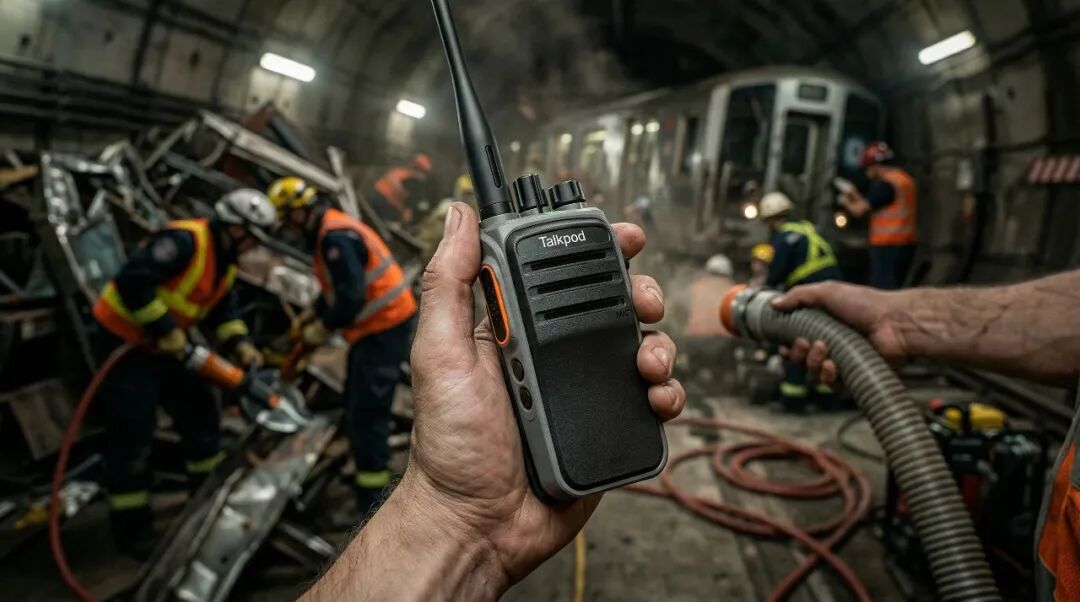
Subways are the arteries of modern cities. But when an accident occurs underground, the same enclosed structure that makes mass transit efficient can make rescue communication difficult. Concrete layers, metal screen doors, long tunnels and deep platforms can weaken or block signals. Public mobile networks may become unreliable or unavailable. Conventional radios may struggle to reach the teams that need instructions most.
In such conditions, communication is not a supporting tool. It is part of the rescue system itself.
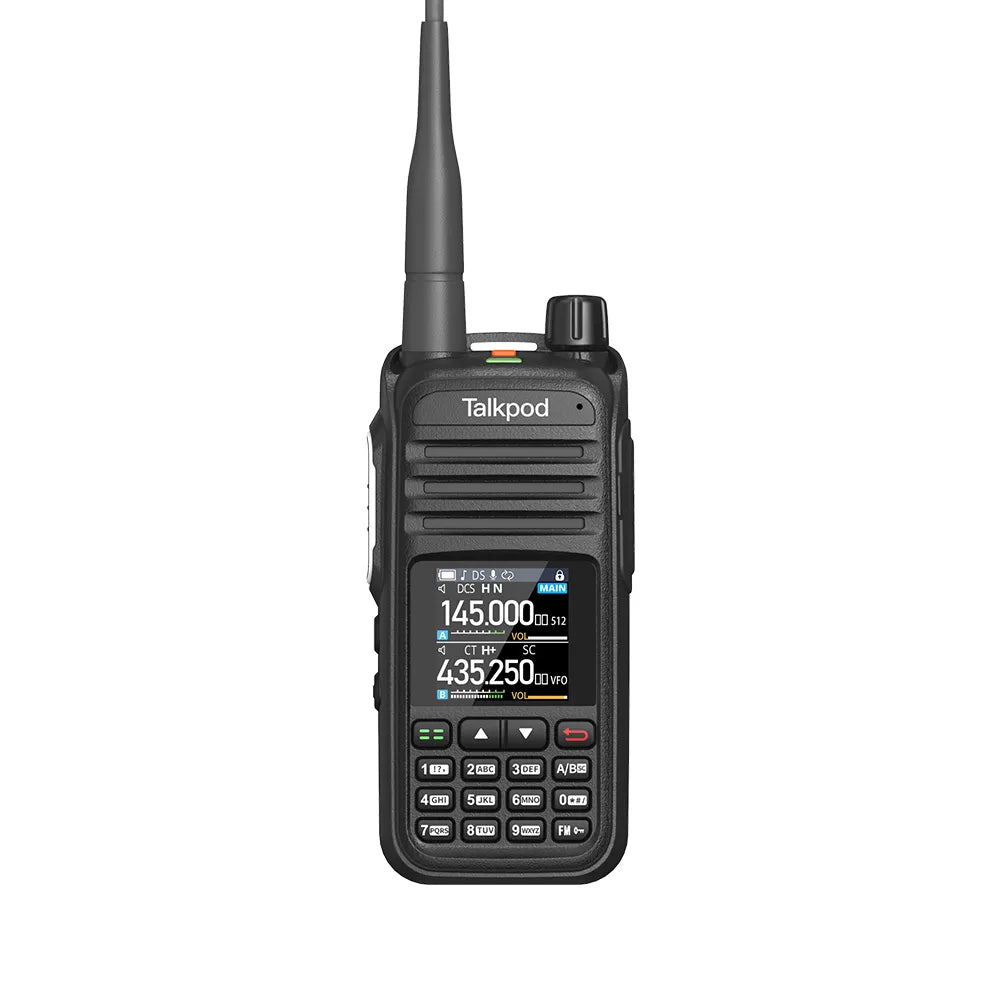
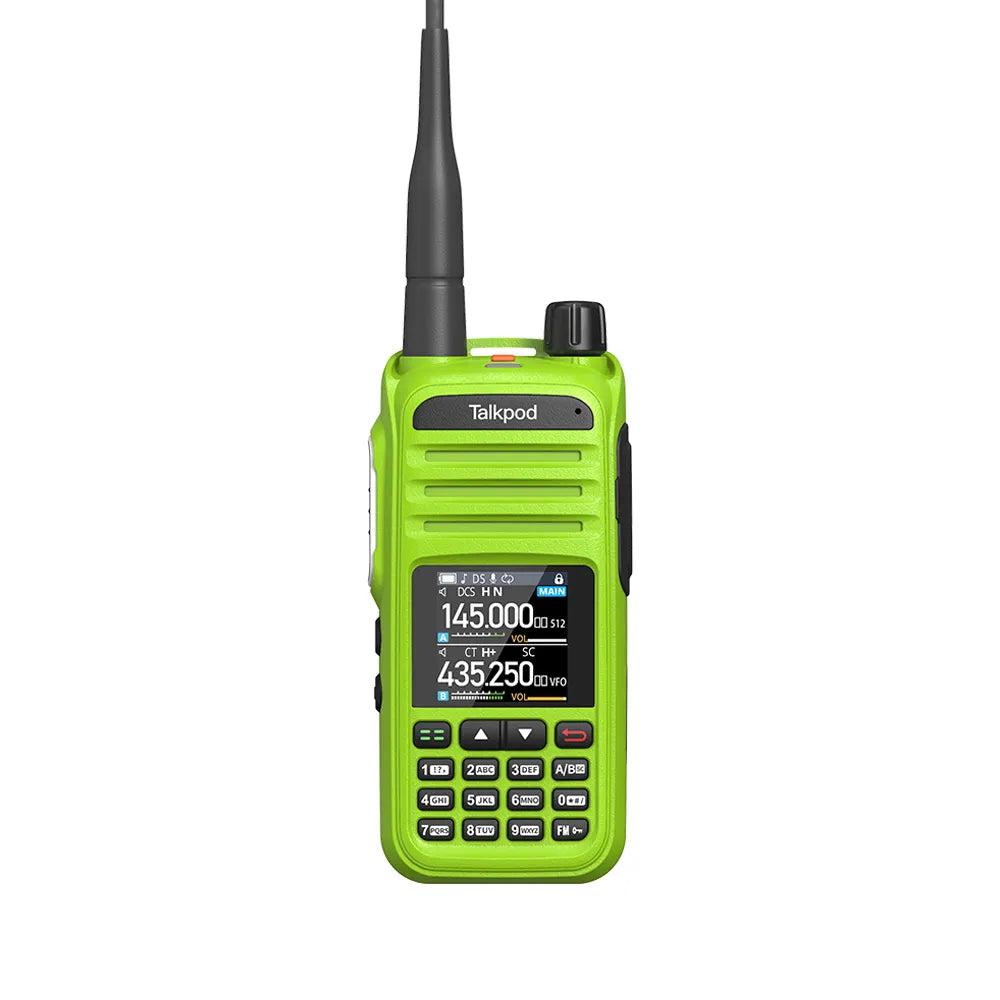
The Talkpod A50P ad hoc networking radio is designed for this problem. It does not rely on fixed infrastructure. Instead, it allows emergency teams to build a dedicated field communication network inside complex underground spaces.
Building a network through underground blind spots
Subway incidents often take place tens of metres below ground. Signals must pass through station halls, platforms, tunnel sections and damaged structures. Ordinary communication links can break down quickly.
The A50P uses wireless interconnection technology and supports chain, mesh and tree networking modes. Once powered on, multiple radios can automatically form a network and support multi-hop relay.
In a subway rescue, devices can be deployed at the ground entrance, station hall, platform and tunnel section. Together, they can create a dynamic communication path that carries voice instructions deeper into the incident area. This helps connect the surface command centre with rescue personnel working in places that ordinary radios may not reach.
Clearer and more secure command communication
Underground rescue sites are noisy and confusing. Ventilation systems, machinery, alarms and shouted instructions can make voice communication hard to understand. At the same time, rescue messages may involve sensitive information such as personnel locations, evacuation routes and hazardous-material handling.
The A50P uses a digital voice protocol with digital noise reduction, helping reduce background noise and improve speech clarity. It also supports encrypted communication, helping protect command information within the rescue network and reduce the risk of unauthorised listening.
For commanders, clearer and more secure voice communication means fewer misunderstandings and more disciplined execution.
Rugged protection for harsh underground conditions
After a subway accident, the site may contain dust, smoke, moisture, debris or standing water. Rescue personnel may need to run, climb or move through narrow passages while carrying heavy equipment.
The A50P is built to IP67 dust- and water-resistant standards and uses a sealed structure designed for demanding field conditions. It is made to withstand rough handling, vibration, temperature changes and humidity. Its lightweight ergonomic design also makes it easier for responders to carry and operate while wearing protective gear.
Flexible grouping for multi-agency rescue
Subway rescue usually involves several teams working at once: firefighting units, search-and-rescue teams, medical staff, engineering crews, police and evacuation personnel. A single open channel can quickly become crowded.
The A50P supports multiple channels, group calls and individual calls. Commanders can assign different group IDs to different task units, such as attack teams, search teams, medical teams and evacuation teams. This allows each group to communicate within its own channel while remaining part of the wider rescue operation.
Individual call functions also allow direct communication with a specific team leader or key position. This is useful for urgent instructions, safety confirmations or critical updates from the tunnel.
Keeping command connected below ground
In subway rescue, delay has a cost. Every instruction, confirmation and location update must move quickly through a difficult environment.
The Talkpod A50P combines automatic ad hoc networking, multi-hop relay, digital noise reduction, encrypted voice, rugged protection and flexible dispatch functions in a portable radio designed for emergency operations. For urban rescue teams working in underground transport systems, it offers a practical way to overcome concrete, metal, distance and network failure.
A rescue radio is not only a device for carrying voice. In the right network, it becomes the link between command and action. Underground, that link can help keep the entire rescue operation moving.

Leave a comment
All comments are moderated before being published.
This site is protected by hCaptcha and the hCaptcha Privacy Policy and Terms of Service apply.