
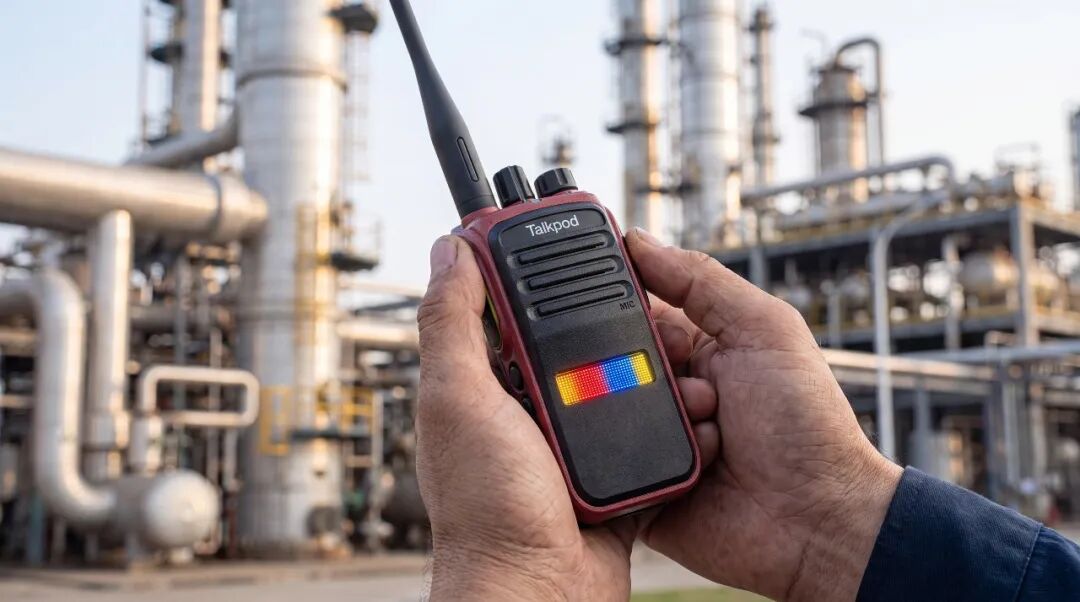
A chemical plant may be controlled from one room, but its work happens everywhere else.
Operators monitor reactors from the field. Inspection teams move through tank farms and pipe racks. Maintenance crews work around pumps and process equipment, while emergency personnel may need to respond at another part of the site altogether.
The control room has to keep these activities coordinated while personnel are spread across environments containing steel structures, enclosed process areas and, in some locations, potentially flammable gases or vapours.
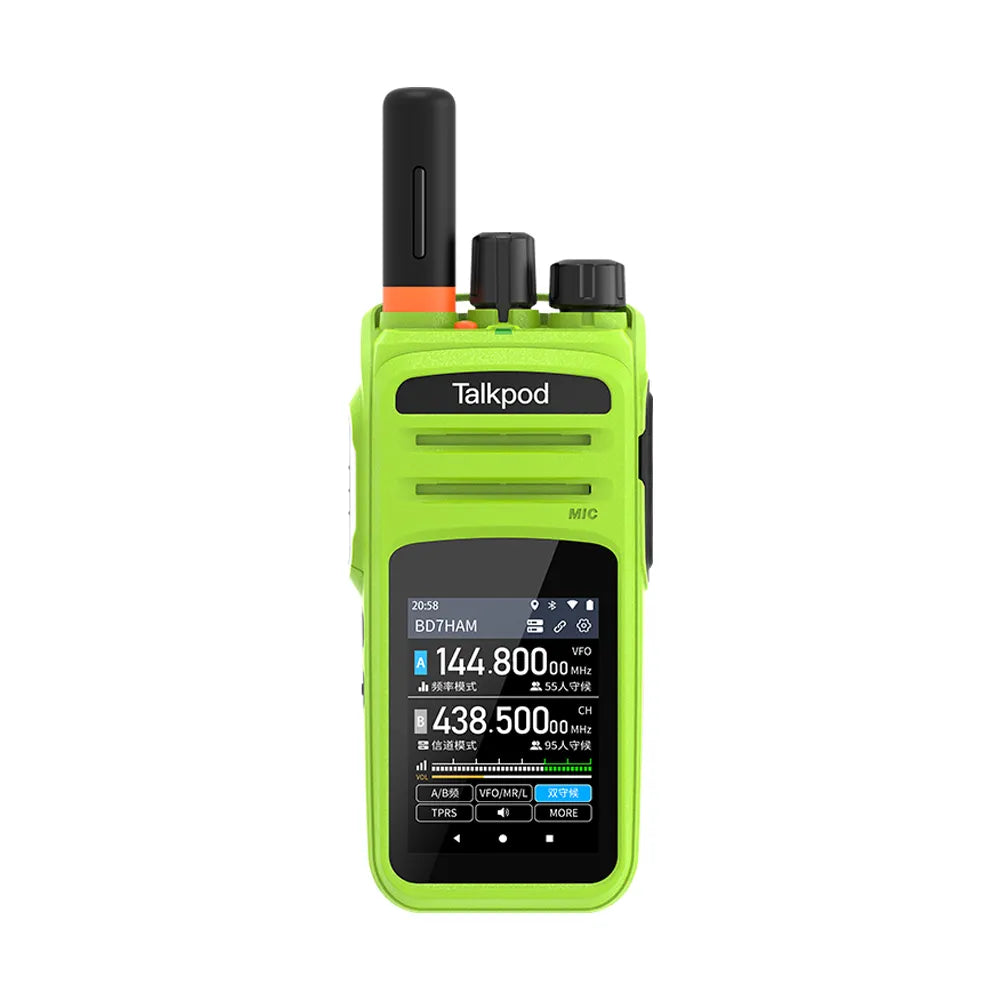
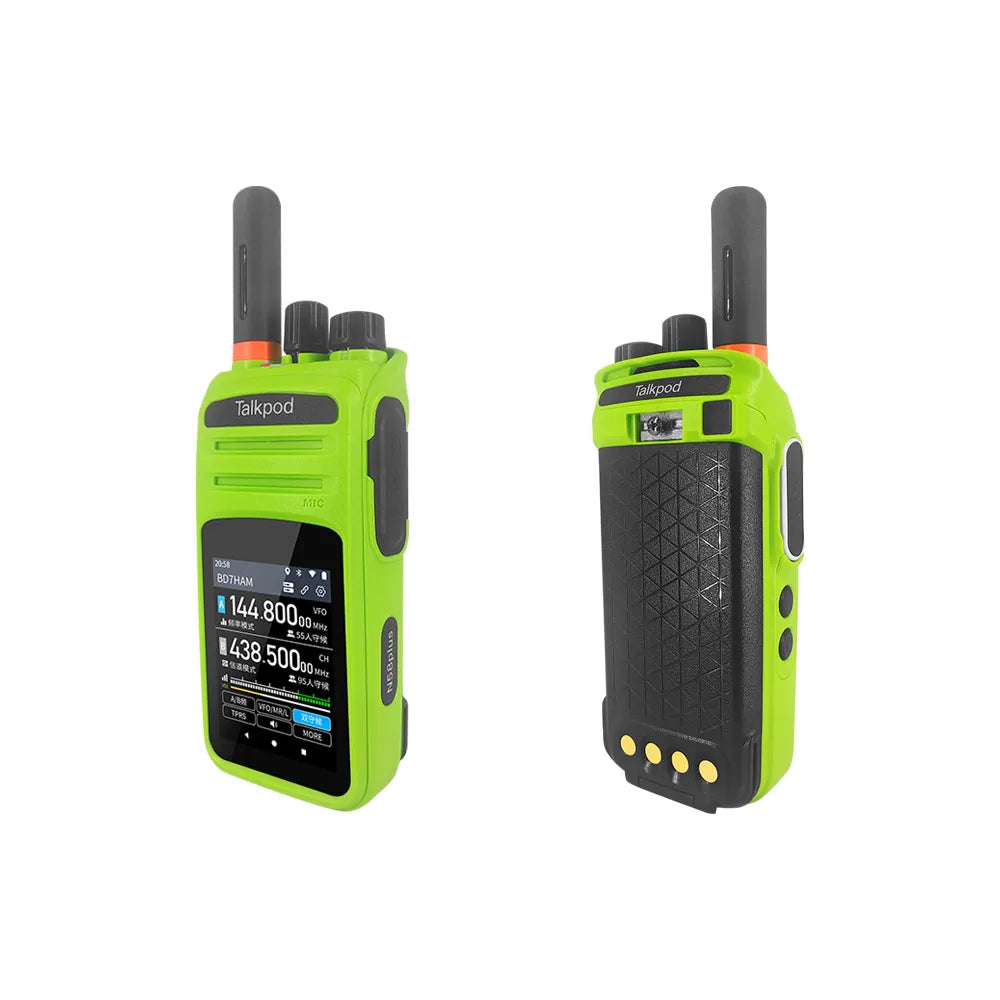
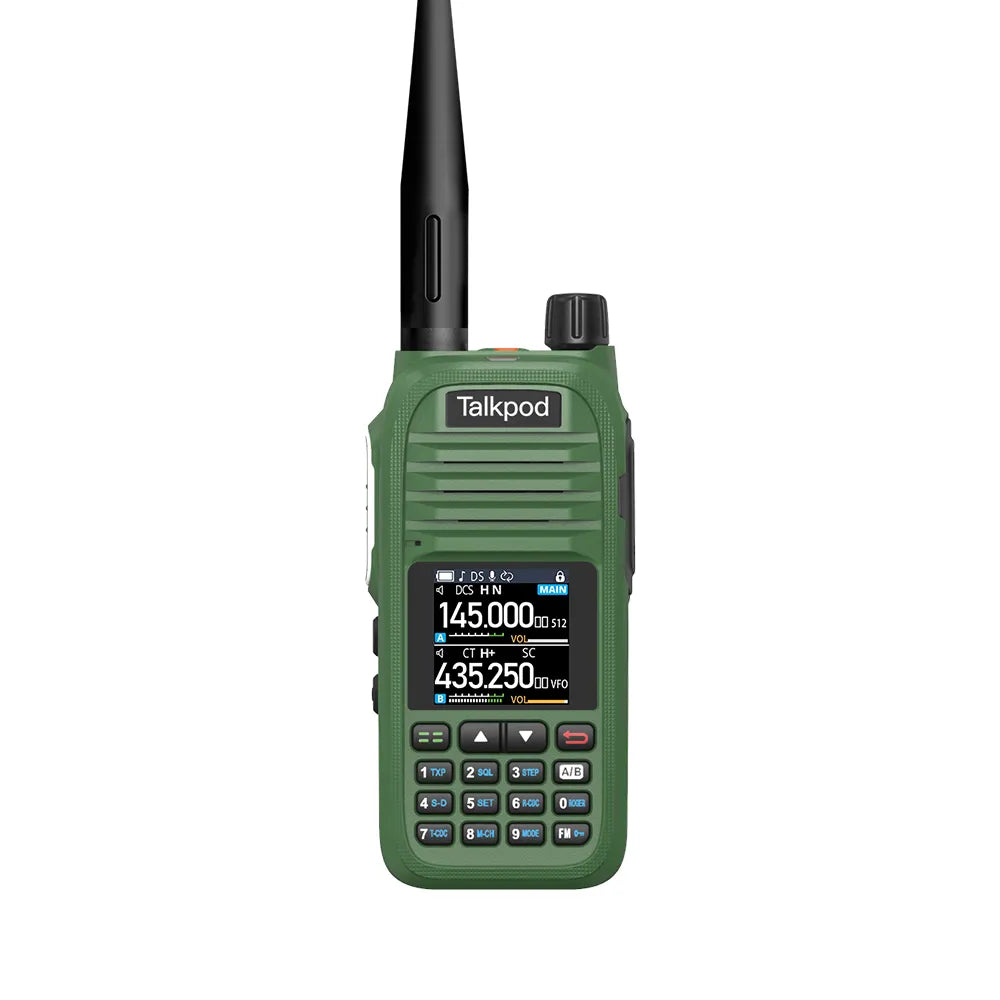
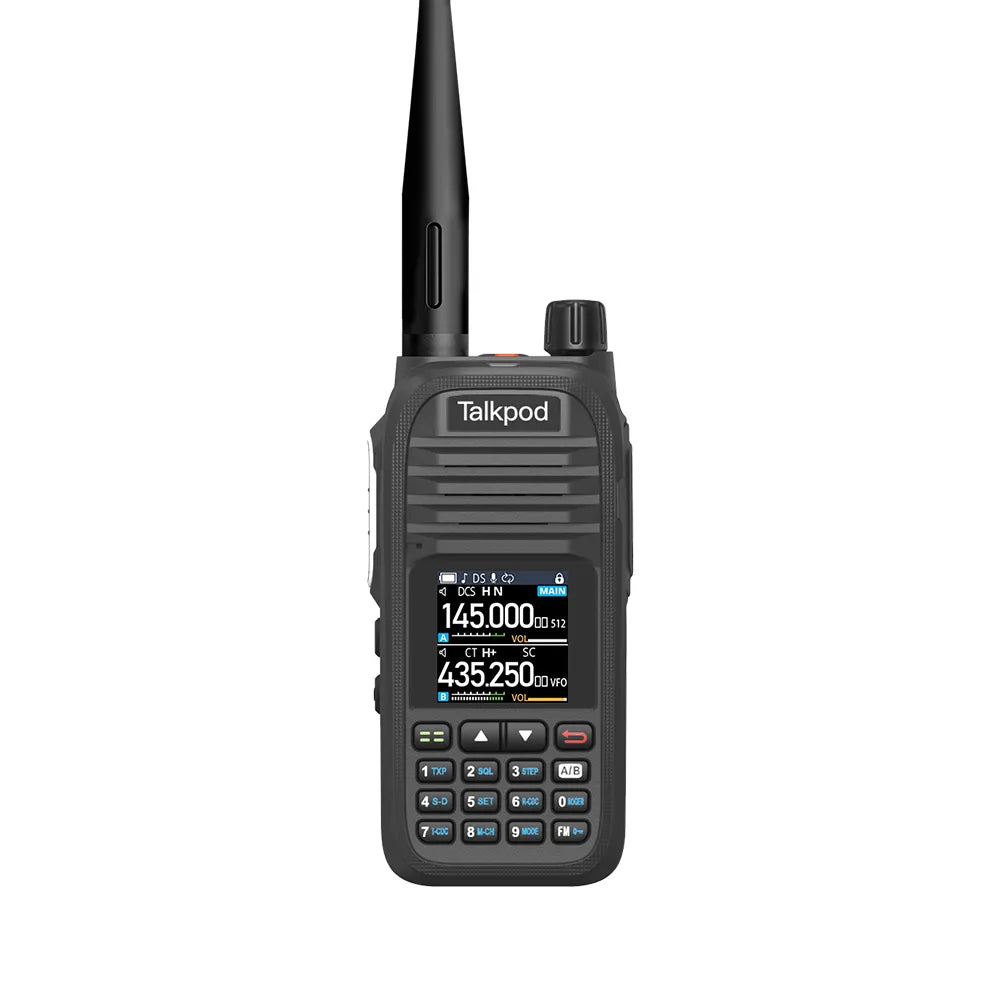
The Talkpod A50Ex combines explosion-protected construction with automatic ad hoc networking, providing a portable voice-communication option for chemical sites where direct radio paths or public mobile coverage may be unreliable.
Its role is not to create one guaranteed communications blanket across an entire plant. It is to help build a planned local communication layer around the people and work areas that need it.
One chemical plant can contain several different hazardous areas
There is rarely a single explosion-protection requirement for an entire chemical complex.
A reactor area, tank farm, loading point and utility building may contain different substances and be assigned different hazardous-area classifications. Gas groups, temperature requirements and permitted equipment categories can therefore vary within the same facility.
For that reason, the A50Ex should not be described as automatically suitable for every production area.
Before deployment, the plant operator should compare the radio's exact certification marking with the classification of each intended location. This includes the permitted zone, gas group, temperature class, ambient operating range and any other restrictions stated on the certificate or nameplate.
Where the applicable certification specifically identifies the device as intrinsically safe, it can be managed within those certified conditions. Otherwise, the broader term “explosion-protected” is more appropriate.
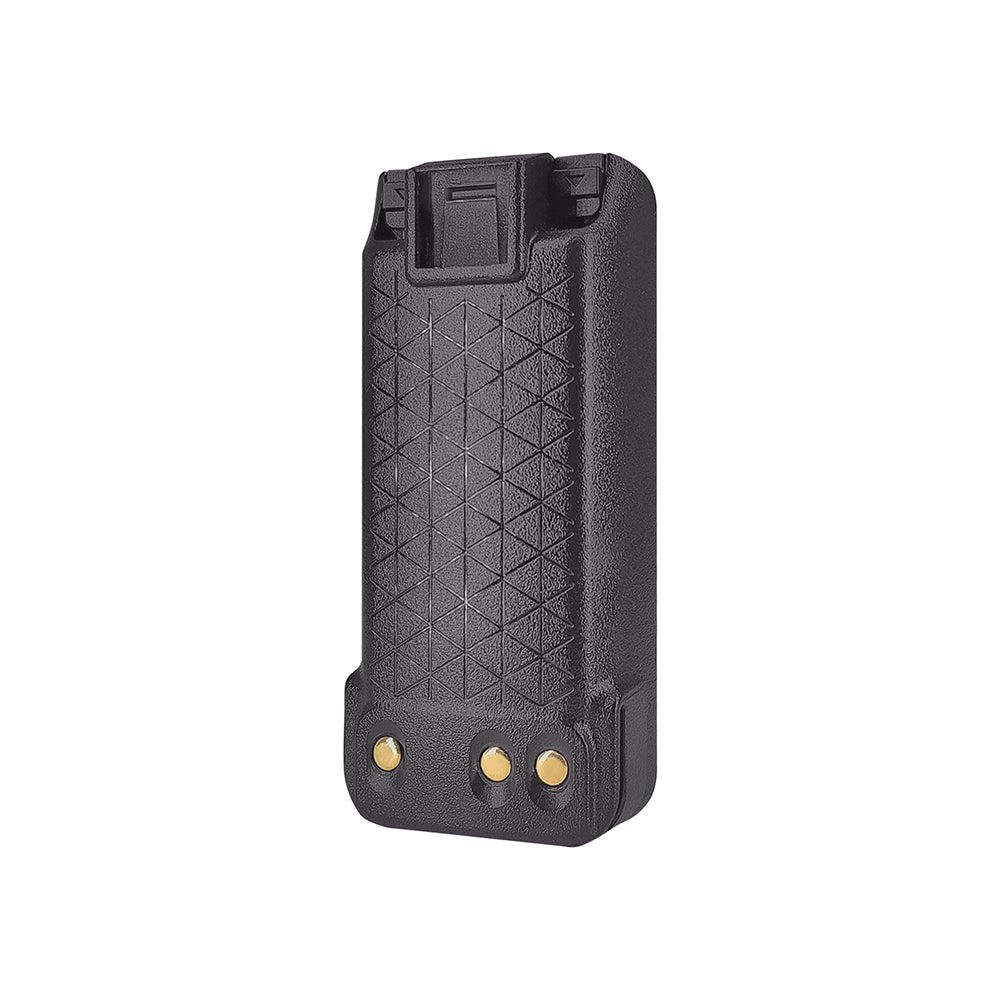
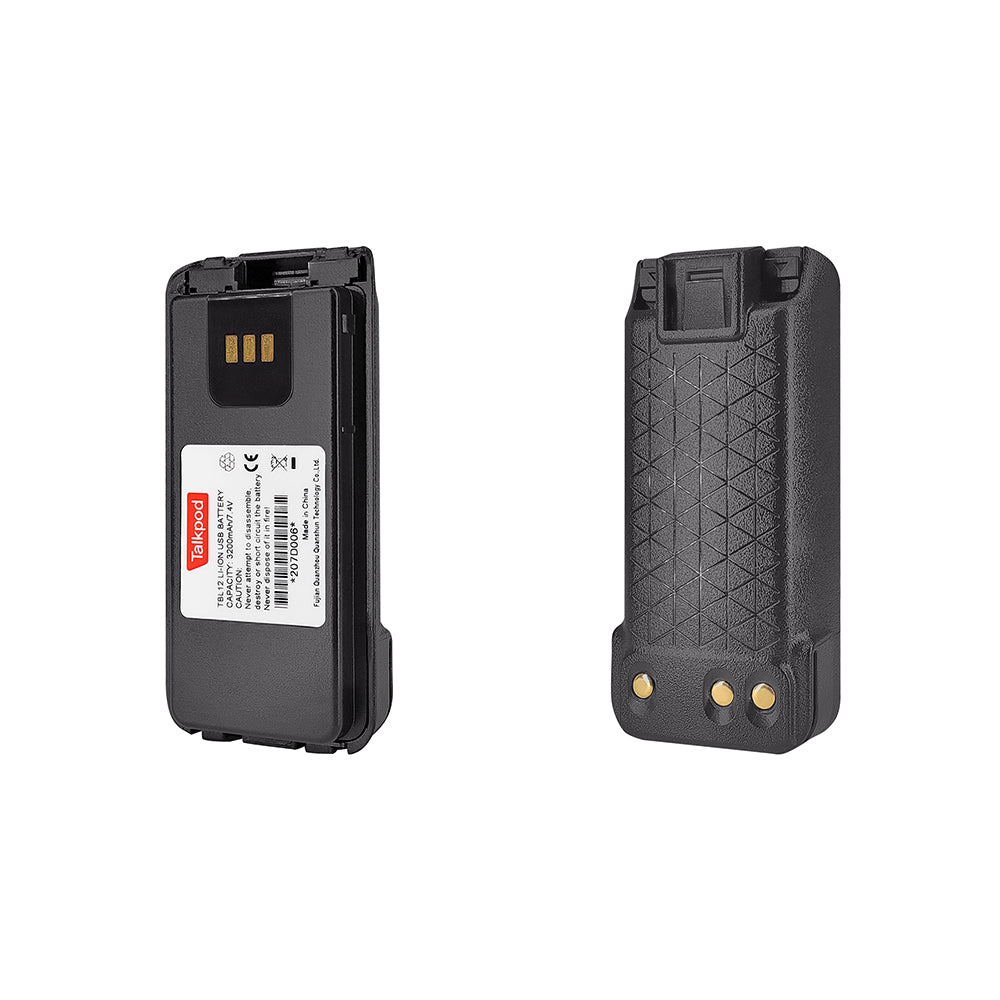
Approved batteries and accessories also form part of the protection concept. Unauthorized components, modifications or serious damage to the enclosure can affect hazardous-area suitability.
Standardizing one radio across several departments can simplify management—but only where that radio's certification actually matches all of those locations.
Building communication around steel process equipment
Chemical plants are difficult radio environments even before hazardous-area requirements are considered.
Reactors, storage tanks, pipe racks, steel platforms and enclosed machinery areas can reflect or obstruct radio signals. Two workers may be relatively close in distance but still have a poor direct radio path because several large process structures stand between them.
The A50Ex supports automatic networking and multi-hop relay between compatible units.
Instead of requiring every field user to communicate directly with one central radio, intermediate devices can relay voice traffic between different parts of the site.
Depending on the supported configuration, the network can use chain, mesh or tree-like structures to suit the layout.
This can help extend communication around process units and into locations where a single direct handheld link would be unreliable.
It does not mean that every radio carried onto the site automatically creates plant-wide coverage.
Every hop still needs an adequate connection to the next one.
Network planning matters more than the word “automatic”
Automatic networking reduces the amount of infrastructure required for some applications, but it does not eliminate engineering.
A chemical plant should test communication around the locations where personnel actually work: reactor structures, pipe racks, tank farms, pump areas, workshops and other operational points.
Weak links can then be identified and suitable relay positions selected.
This is particularly important in a plant whose layout changes during maintenance shutdowns. Temporary scaffolding, parked equipment or opened and closed steel structures can alter propagation.
The communication route therefore needs to be considered as part of the work plan.
A useful ad hoc network is not one that promises there are no dead zones.
It is one whose dead zones have already been identified before an abnormal event exposes them.
Connecting field teams with the control side
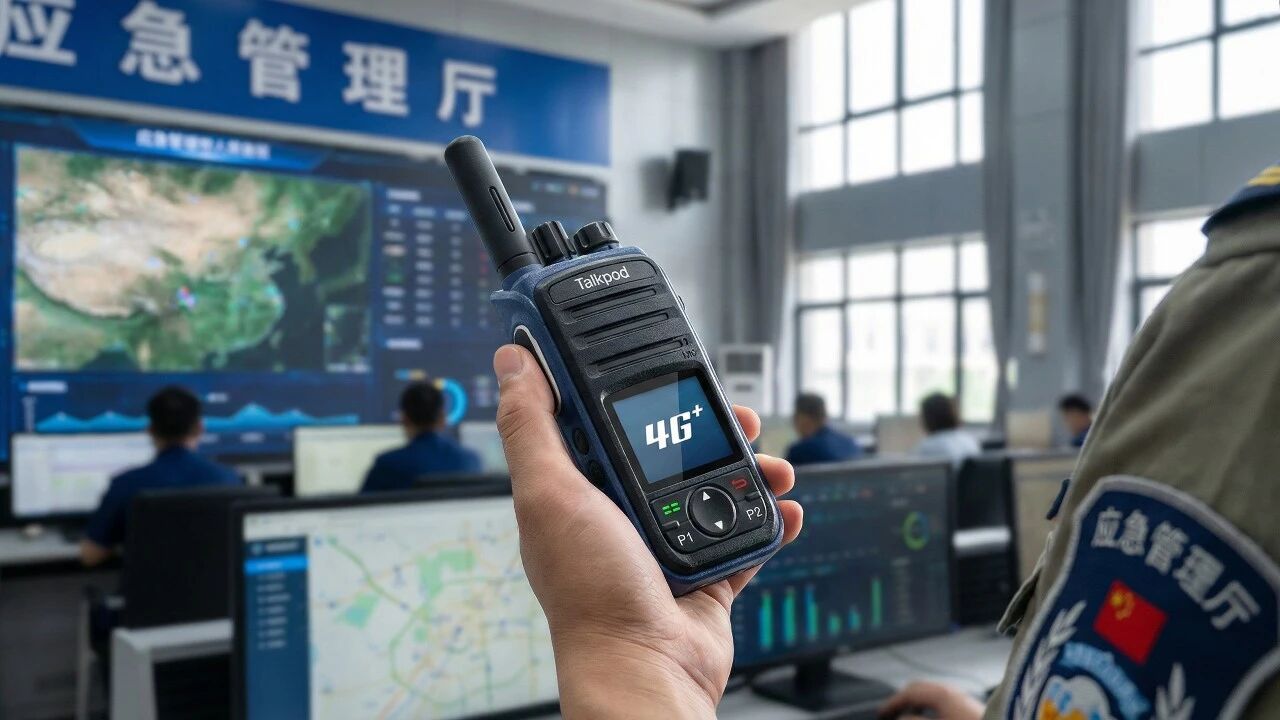
The control room is often the organizational center of the plant, but an ad hoc handheld network does not automatically become a control-room system.
A practical deployment requires the control side to participate through a compatible endpoint or, where the architecture supports it, an approved interface or gateway into the radio network.
Once that connection is established, operators can communicate with field groups without relying on public mobile infrastructure for every local radio link.
A maintenance team can report progress. An inspector can describe an abnormal condition. A supervisor can reach several working groups when coordination is required.
The radio provides the voice path.
It should remain separate in function from the systems that actually control the process.
DCS, SIS, gas detection, alarms, emergency shutdown and other plant-control systems retain their designated roles.
A storage tank is not just another radio location
The source material describes personnel communicating from inside enclosed tanks.
That situation requires particular caution.
A metal tank can severely attenuate radio signals. More importantly, entry into a process or storage vessel may constitute confined-space work and may involve atmospheric hazards beyond flammability alone.
A worker inside a tank should therefore not be assumed to have reliable communication with the control room simply because the radio supports multi-hop networking.
Communication should be tested before entry, and an appropriately positioned relay or attendant radio may be required outside the vessel.
Confined-space procedures remain essential: atmospheric testing, ventilation where required, entry authorization, attendants, personnel accountability and rescue arrangements.
Explosion protection solves only one part of the problem.
A certified radio does not make vessel entry safe.
Organizing dozens of teams without one crowded channel
A large chemical site may have production, inspection, maintenance, utilities and emergency teams communicating simultaneously.
Putting all of them onto one shared channel can make ordinary traffic distracting and urgent traffic harder to identify.
The A50Ex can support configured communication groups so that radio traffic follows the organization of the plant.
Production teams can remain within their operating groups. Maintenance personnel can use another structure. Emergency or supervisory groups can be configured for broader coordination when necessary.
This allows a control-room operator or designated coordinator to move between relevant groups without every user hearing every conversation.
The benefit is organizational rather than merely technical.
Good group design reduces the number of messages each worker has to decide are irrelevant.
Communication protection needs more than “encrypted channels”
Chemical operations may involve sensitive process information.
Configured group access and digital communication-protection functions can reduce casual unauthorized access when implemented correctly. Encryption, where supported and properly configured, can provide an additional layer.
But no radio should be described as guaranteeing that every operational message is impossible to intercept or disclose.
Security depends on encryption implementation, key management, device control, user permissions and organizational procedures.
Equally important, the radio should not become the primary system for transmitting detailed process data.
Setpoints, batch parameters, alarm history and other critical operating information belong in the plant's approved process and information systems.
A radio is well suited to saying:
“Maintenance team two, return to pump area B.”
It is less suitable as the authoritative record of a detailed operating change.
Communication during an abnormal plant condition
The value of a radio system becomes most visible when normal work stops.
A suspected leak, equipment fault or process deviation may require production personnel, maintenance, safety teams and emergency responders to coordinate quickly.
An ad hoc network can allow field users to continue communicating locally without depending on a public cellular network.
That resilience is useful—but should not be overstated.
A site-wide power failure may also affect gateways, fixed interfaces, charging systems and other communication infrastructure. Individual battery-powered radios may continue operating for a period, but that does not guarantee that the entire communication architecture will remain available.
Emergency communication therefore needs its own power and redundancy plan.
The A50Ex can form one layer of that plan. It should not be the only one.
Battery endurance should be managed, not assumed
Chemical plants operate continuously, but handheld batteries do not.
Power-saving functions and higher-capacity batteries can support long working periods, yet actual endurance depends on transmit time, relay activity, audio volume, temperature and battery condition.
A radio acting repeatedly as a relay node may also consume power differently from a unit used only occasionally for voice calls.
Claims such as “72 hours of continuous emergency operation” should therefore be used only if supported by a defined test method and corresponding operating conditions.
For real deployment, a more dependable approach is fleet management.
Approved charged radios or batteries should be available for shift changes, while emergency plans should account for how devices will be recharged during an extended power failure.
Charging and battery replacement must also follow the manufacturer's instructions and the site's hazardous-area rules.
Corrosive environments require material evidence
Some chemical areas may expose equipment to corrosive vapours or chemical splash.
Explosion protection and enclosure sealing do not automatically establish chemical resistance.
If the A50Ex has specific corrosion, chemical-resistance or material-compatibility test data, those results can be used to determine suitability for a particular substance.
Without such data, the radio should not be marketed as universally resistant to corrosive chemical environments.
If a device is exposed to process chemicals, cleaning and inspection should follow the manufacturer's instructions.
Visible deterioration of the enclosure, seals or battery assembly should be assessed before the radio returns to hazardous-area service.
In an explosion-protected device, physical condition can affect safety as well as reliability.
Simple controls for people already managing complex systems
A control-room operator may already be monitoring several screens and alarms.
The radio should not add another complicated interface.
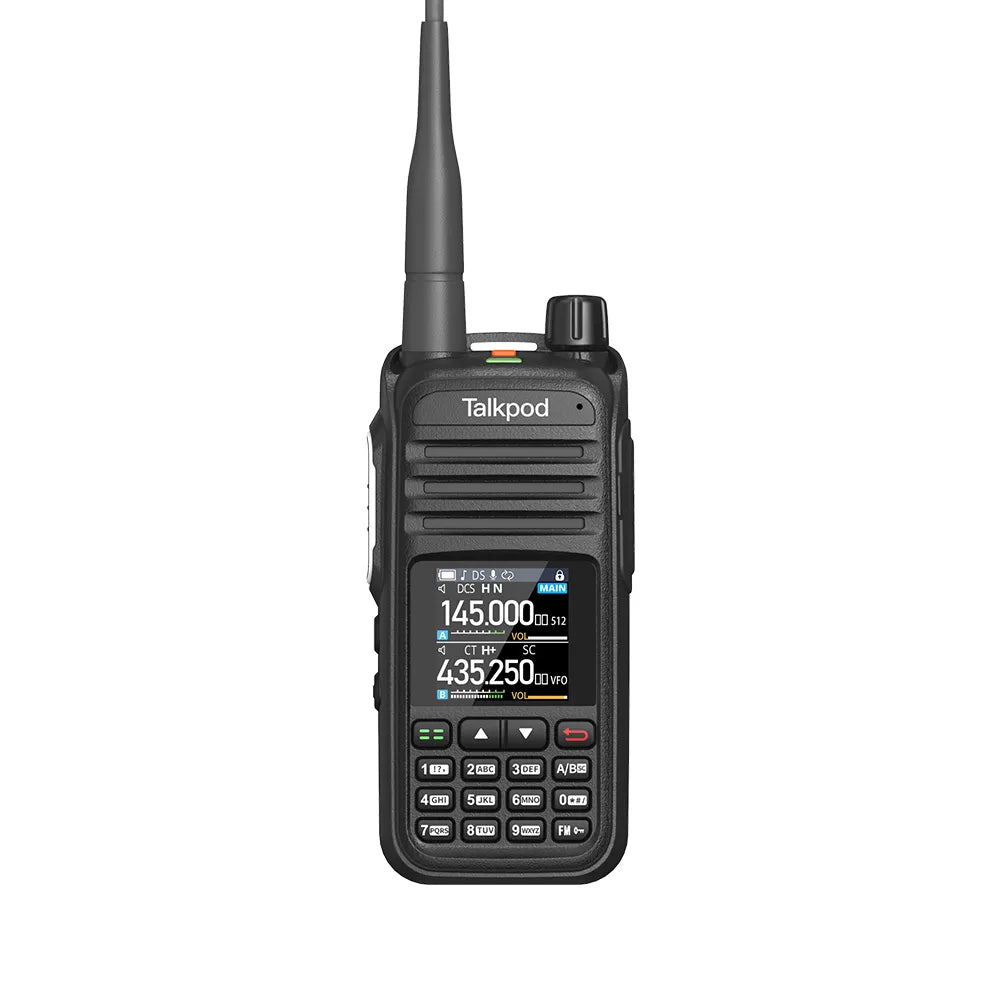
The A50Ex supports straightforward push-to-talk operation and group selection, allowing the operator to move between configured teams without navigating through a long sequence of controls.
Status indicators can also provide useful operating information depending on the configured device functions.
The objective is not to make the radio another process-control console.
It is to make voice coordination sufficiently simple that the operator can remain focused on the DCS and the process itself.
A communication layer within the plant safety architecture
The Talkpod A50Ex cannot control a reactor, detect a gas release or guarantee communication from inside every storage tank.
It cannot replace the DCS, SIS, fixed alarms, PA/GA systems, emergency shutdown arrangements or formal incident-command structure.
Its role is more specific.
When appropriately certified for the intended hazardous area, the A50Ex provides chemical-plant teams with an explosion-protected communication option whose core radio links do not depend on public mobile infrastructure. Multi-hop networking can help work around some of the barriers created by large process equipment, while configured groups can make communication between multiple field teams more orderly.
For a control room, the goal is not to hear everyone all the time.
It is to know which team needs to be heard, how to reach them—and what system takes over when the radio cannot.


Leave a comment
All comments are moderated before being published.
This site is protected by hCaptcha and the hCaptcha Privacy Policy and Terms of Service apply.