
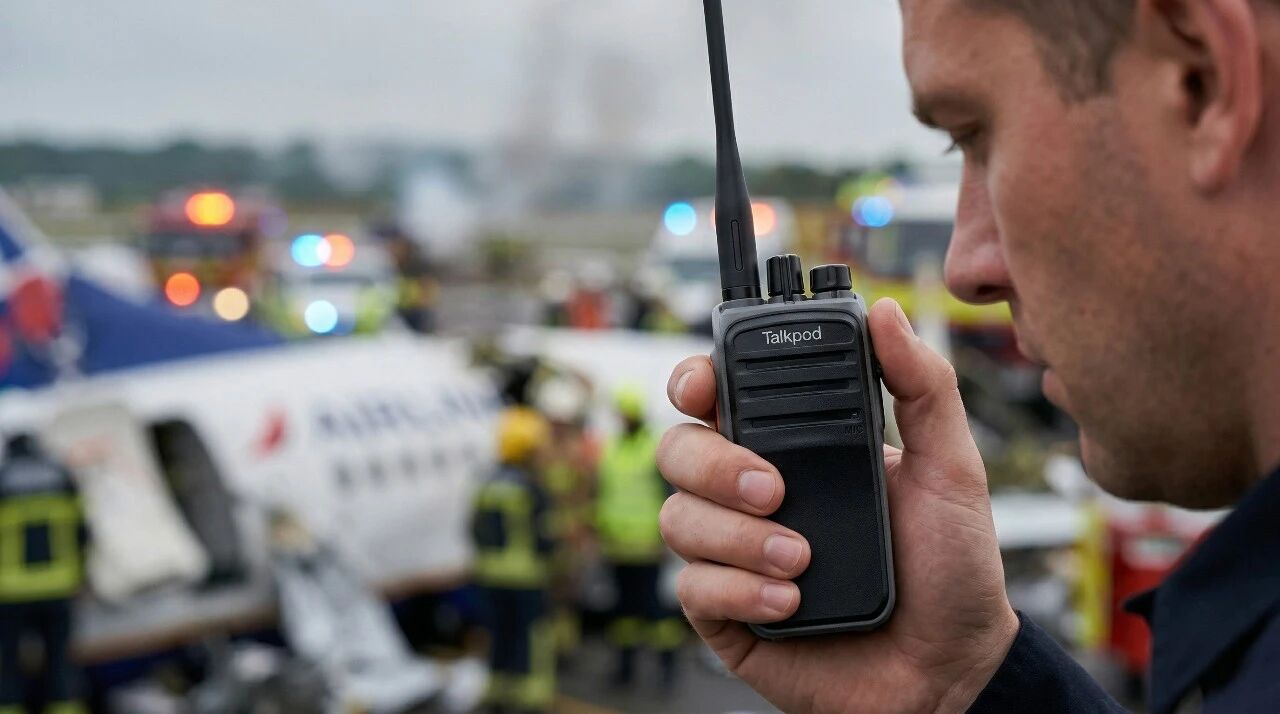
After an aviation accident, the first task is not only to rescue, but to control the scene. A secure perimeter must be established quickly. Access routes must be kept clear. Rescue teams, command posts and security officers must remain in constant contact. Yet accident sites are rarely convenient places for communication. Wreckage, difficult terrain and damaged infrastructure can weaken or block ordinary networks just when they are most needed.
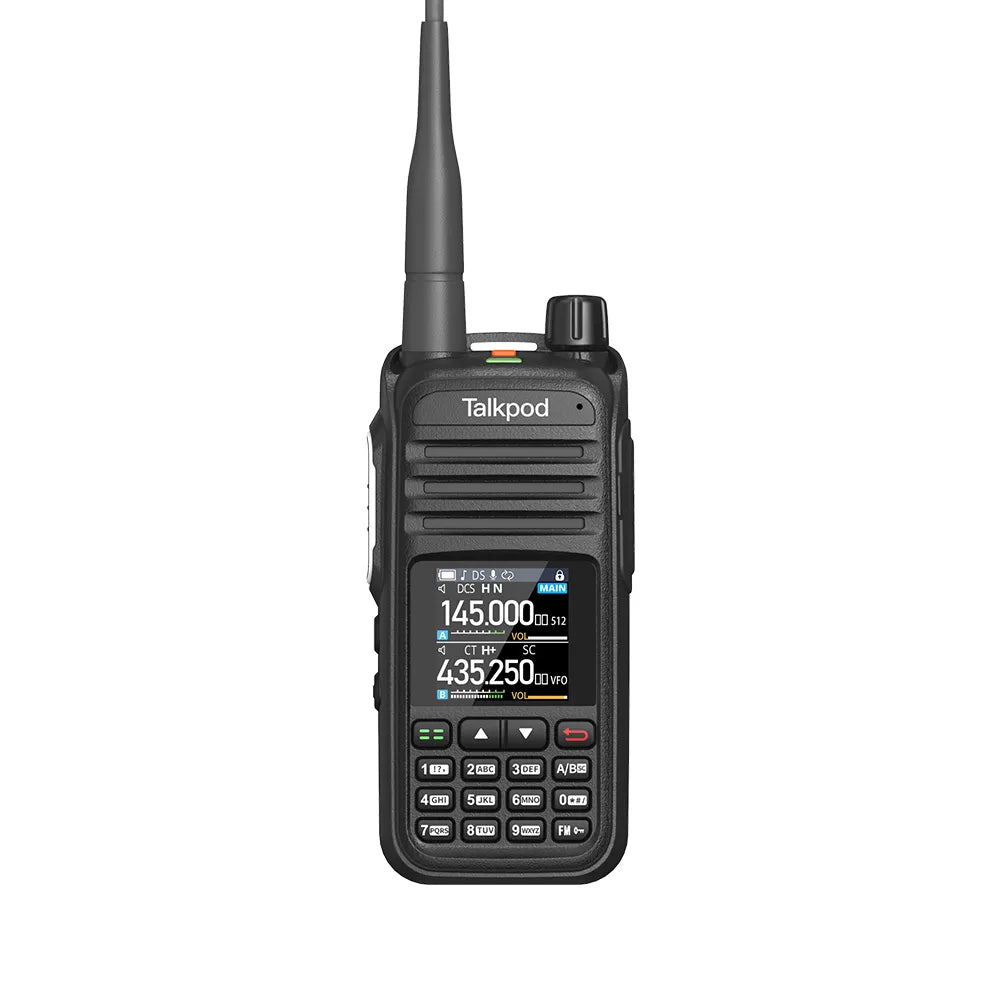
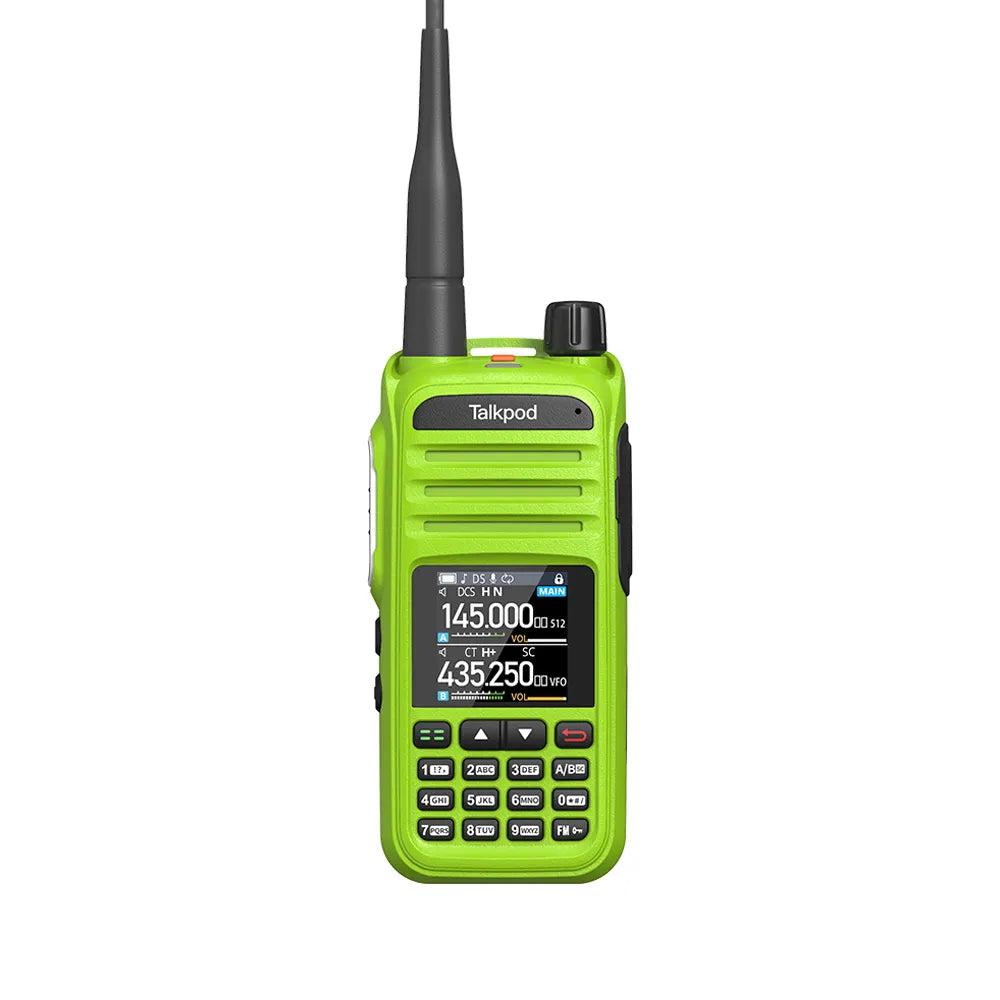
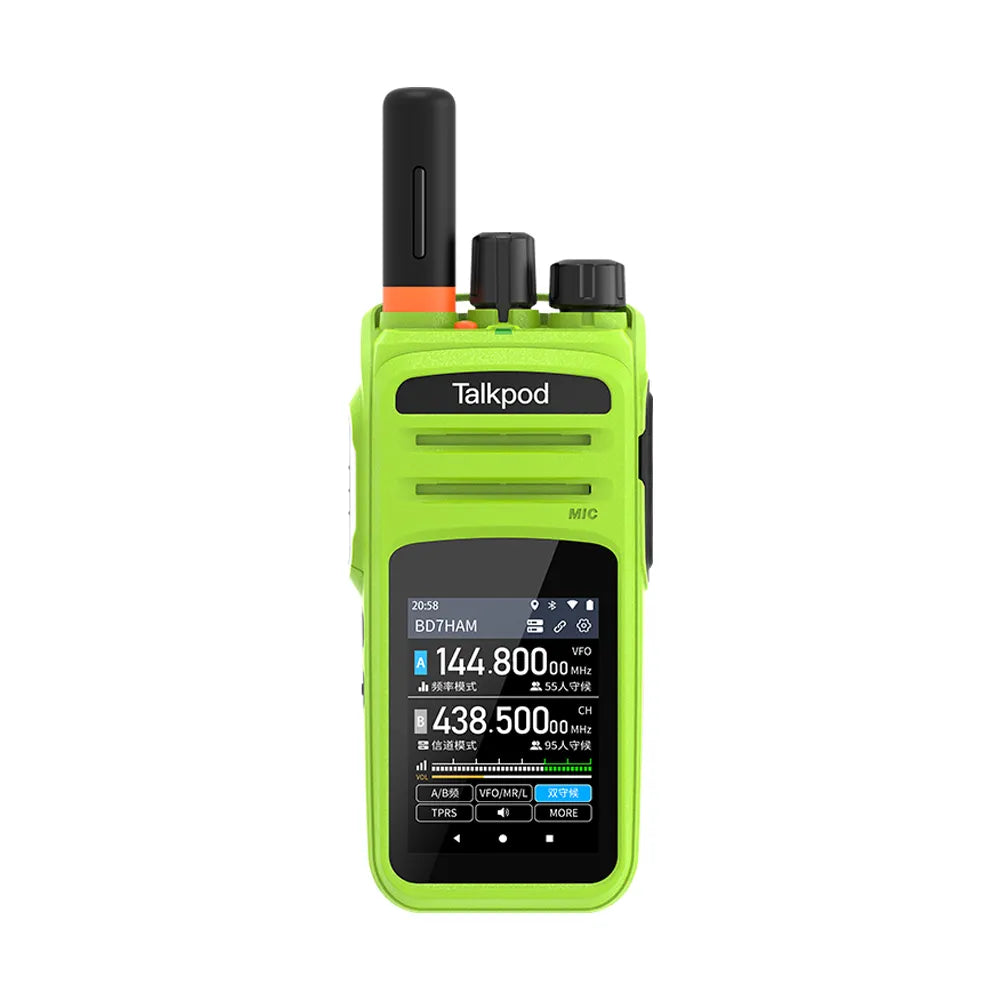
The Talkpod A50P ad hoc-network radio is designed for precisely this kind of environment. With its automatic networking capability and rugged all-weather performance, it gives perimeter officers and rescue teams a more resilient way to stay connected when conventional communication channels are unreliable.
When public networks fail, the radio network builds itself
At an aviation accident site, metal wreckage and uneven terrain can create severe signal shielding. Public mobile networks may be unavailable, unstable or overloaded. The A50P uses same-frequency communication and wireless interconnection technology to form a network automatically once powered on.
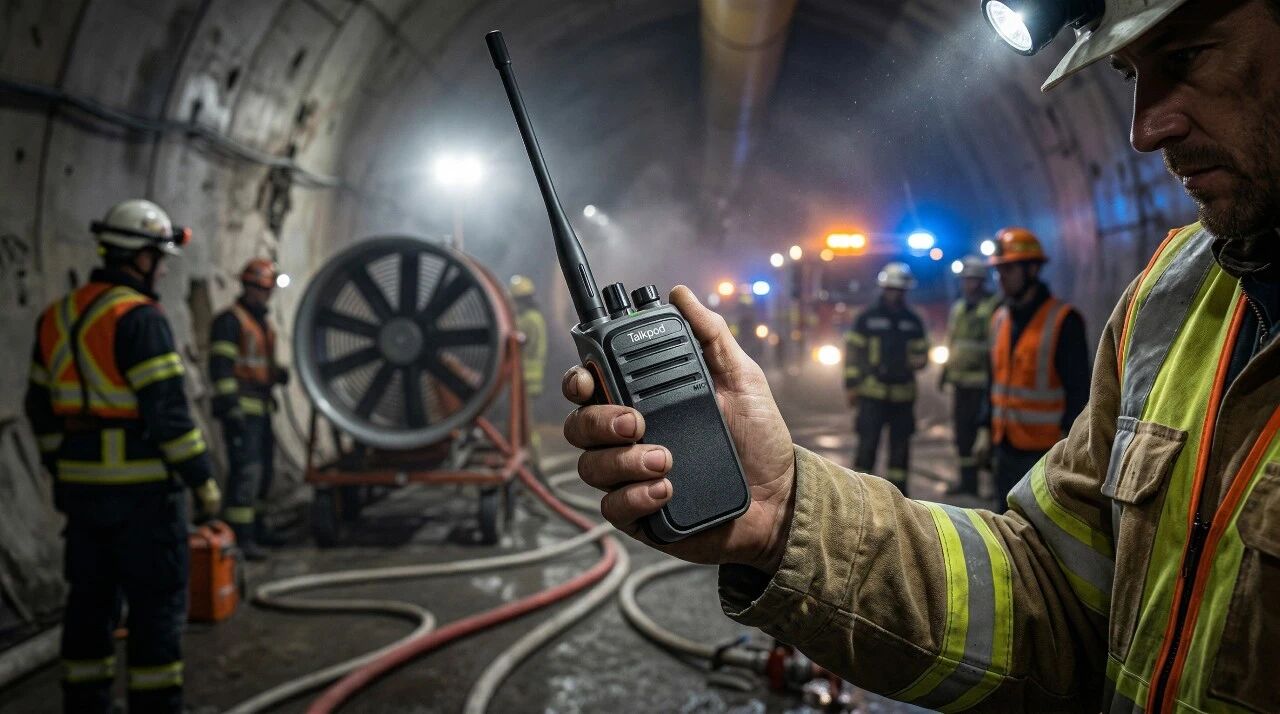
It supports chain, mesh and tree-style networking, with flexible multi-level cascading. In practice, several A50P units can quickly create a wide-area communication network across the site, linking the command post with multiple security points and rescue teams. For perimeter officers, this means communication does not have to wait for damaged infrastructure to recover.
Built for harsh outdoor rescue conditions
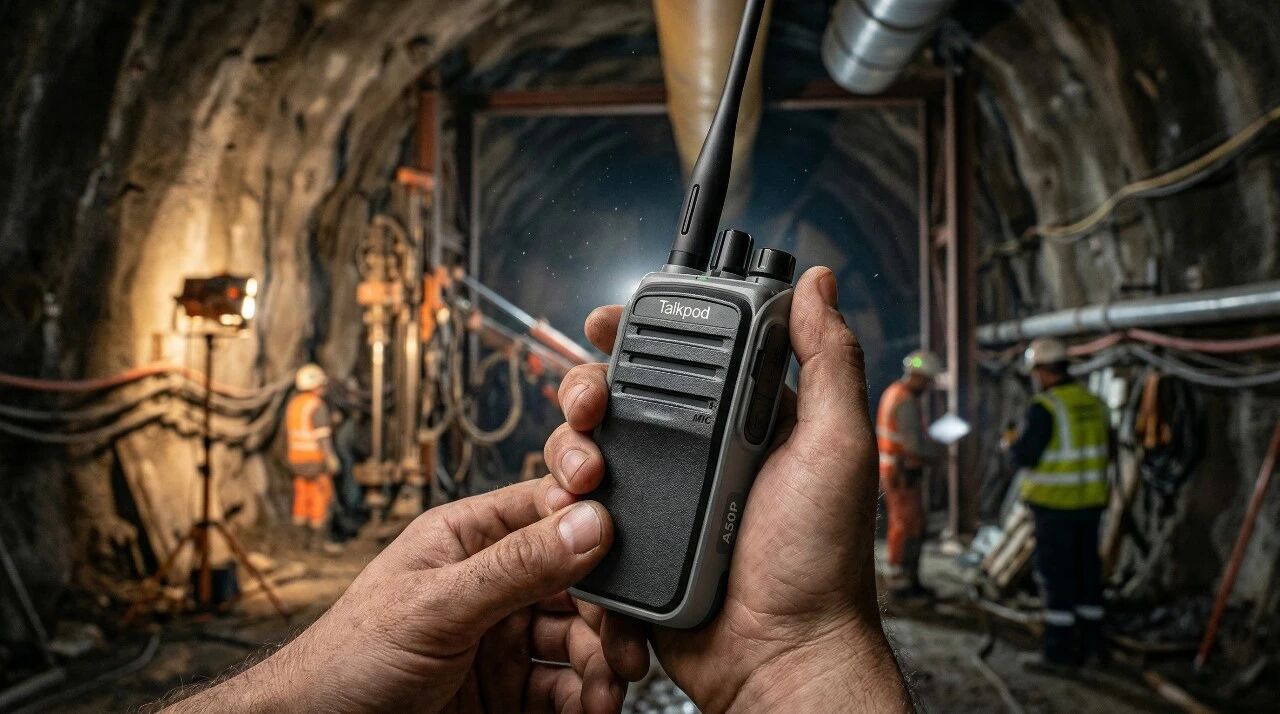
Aviation rescue operations can last for hours, and sometimes days. Officers may need to stand guard in open areas, exposed to rain, mud, dust and changing temperatures. The A50P is rated IP67 for dust and water resistance, with multiple sealing rings across the body and a screw-fastened earphone cover to protect vulnerable openings.
It has also been tested against demanding conditions such as drops, temperature extremes and vibration. For teams working in rough terrain or unstable weather, this durability is not a luxury. It is part of operational safety.
Long endurance for prolonged perimeter duty
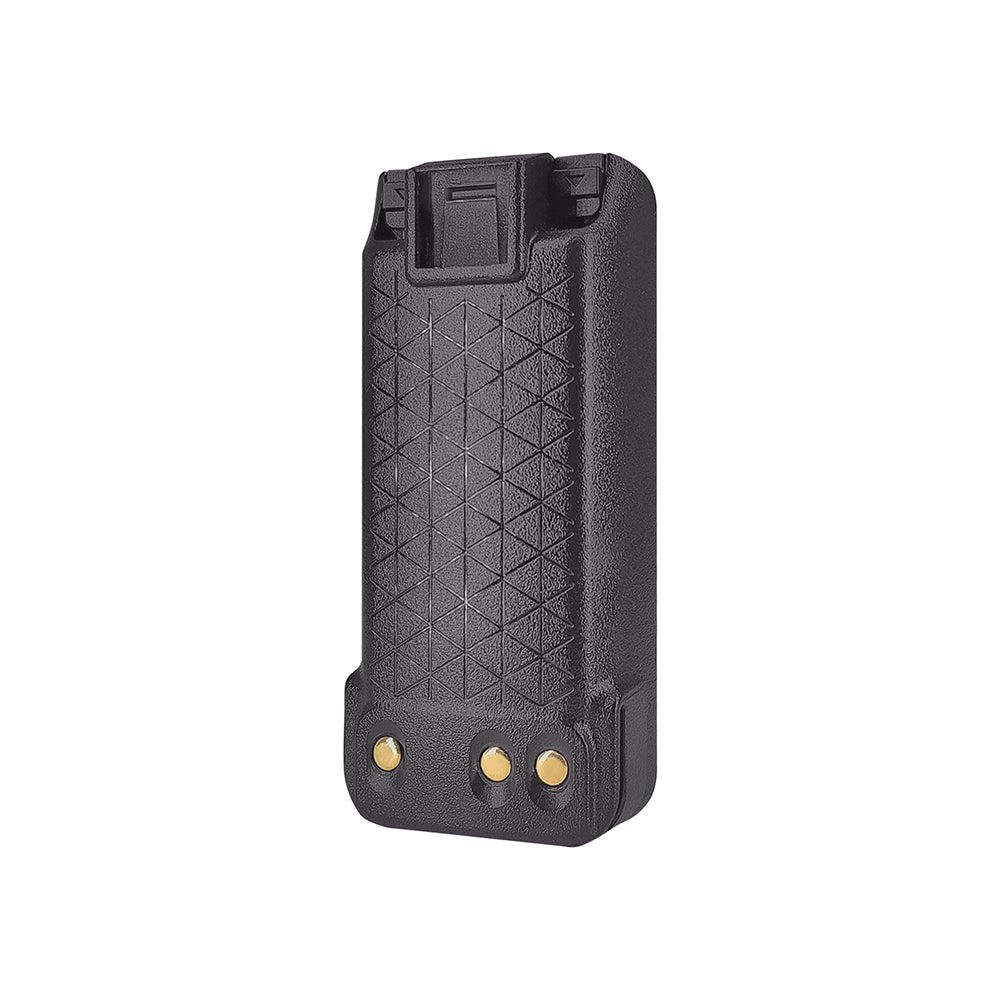
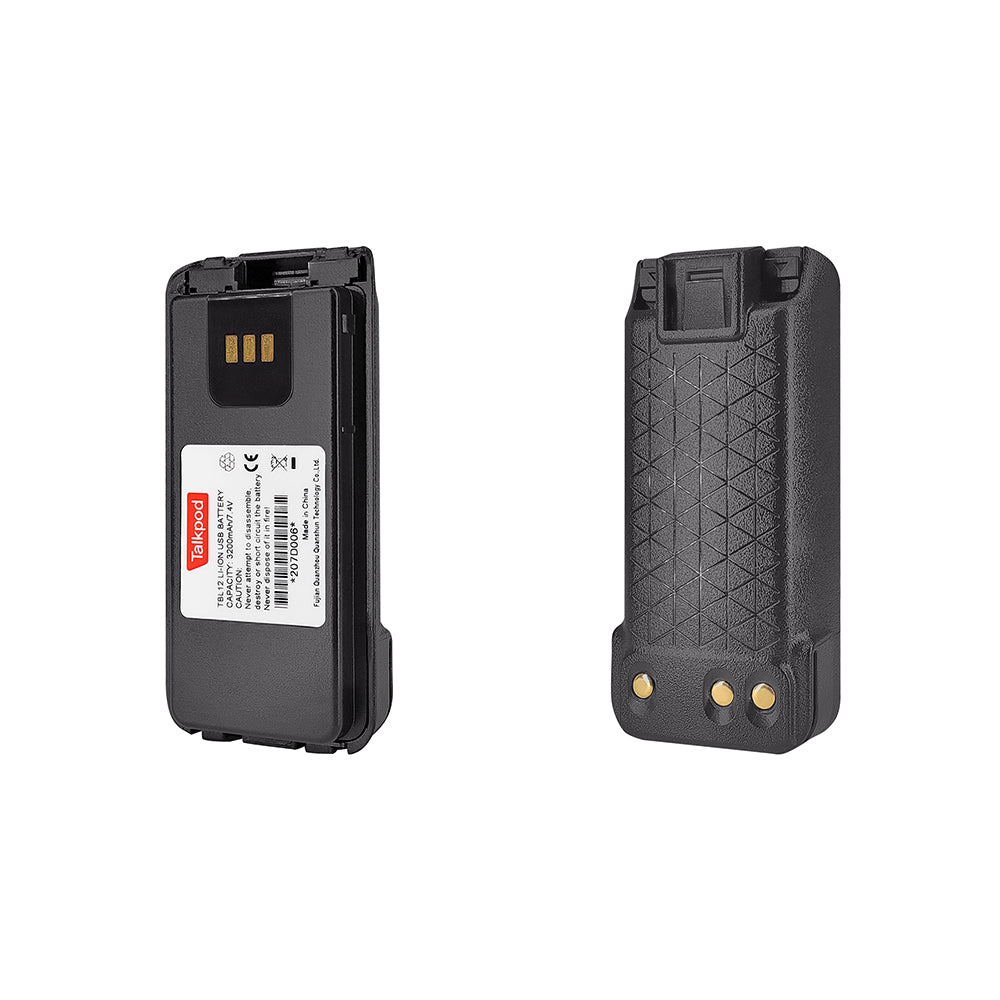
A security perimeter cannot afford a communication gap. The A50P comes with a high-capacity battery, supporting up to 36 hours of working time and up to six days of standby time. It also supports USB charging, making it easier to recharge from portable power banks, emergency vehicles or field power supplies.
For officers assigned to long shifts, this helps keep the communication link alive from initial response through extended site control.
Clear instructions in a noisy rescue scene
Accident sites are loud. Engines, machinery, generators, weather and crowds can all compete with radio traffic. The A50P uses a digital voice protocol and built-in digital noise-reduction algorithms to filter background noise and suppress feedback. Combined with a high-power speaker, it helps ensure that perimeter instructions are delivered clearly to front-line personnel.
That clarity matters. A misheard command can leave a gap in the perimeter, delay coordination or increase risk for rescuers already working under pressure.
Flexible grouping for multi-point coordination
Aviation accident sites often require several security zones: outer perimeters, access-control points, rescue corridors, medical transfer areas and command zones. The A50P supports both individual calls and group calls, with up to 254 group-call IDs. Officers can be grouped by area or task, allowing commanders to reach the right team with a single call.
The result is a more orderly command structure. Multiple security points can work together without crowding the same channel, while urgent instructions can still be passed quickly when conditions change.
In aviation rescue, time is unforgiving and order is essential. The Talkpod A50P helps perimeter officers maintain a stable communication network in some of the most difficult field conditions: no signal, harsh weather, long duty hours and high noise. By combining automatic networking, rugged protection, long battery life and clear voice transmission, it helps keep every security line connected—and every rescue operation safer and more controlled.

Leave a comment
All comments are moderated before being published.
This site is protected by hCaptcha and the hCaptcha Privacy Policy and Terms of Service apply.