
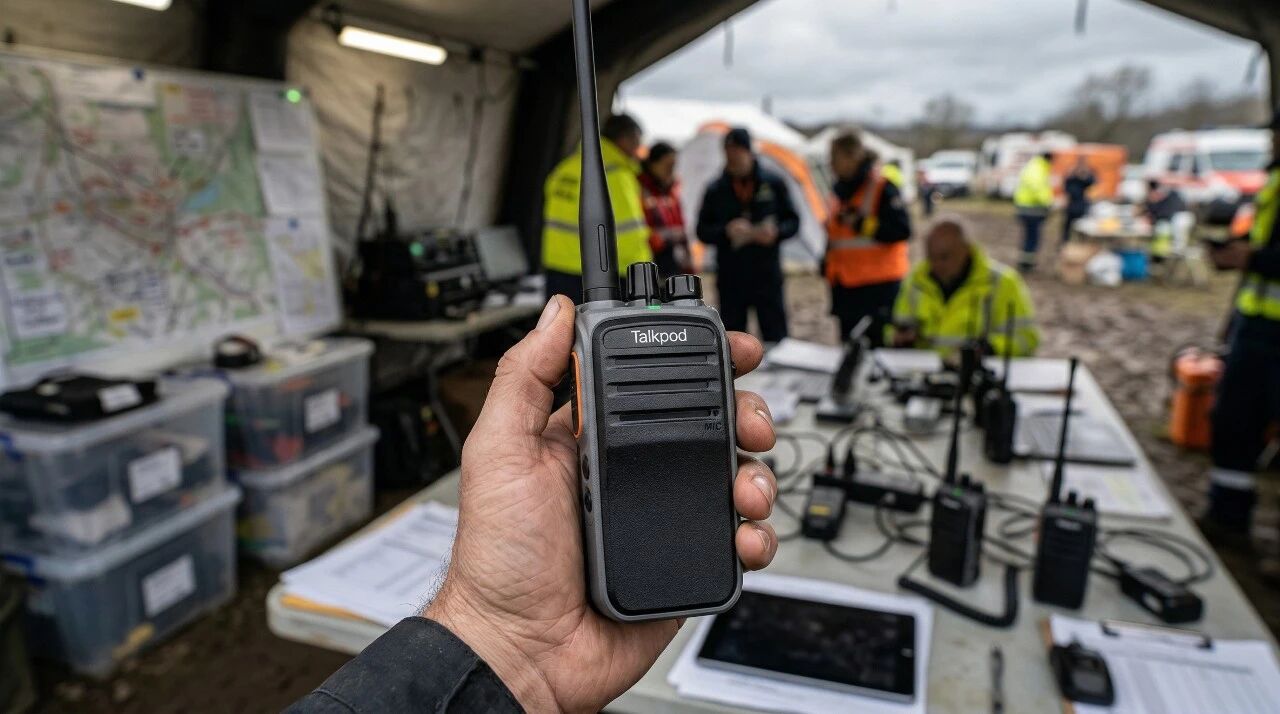
At a disaster site, the command post is the brain of the rescue operation. Dispatchers are its nervous system, carrying instructions from the centre to the teams working in the field. When earthquakes, floods or landslides strike, however, the infrastructure that normally carries those instructions may fail first. Base stations are damaged, power is cut and ordinary communication channels can collapse in minutes.
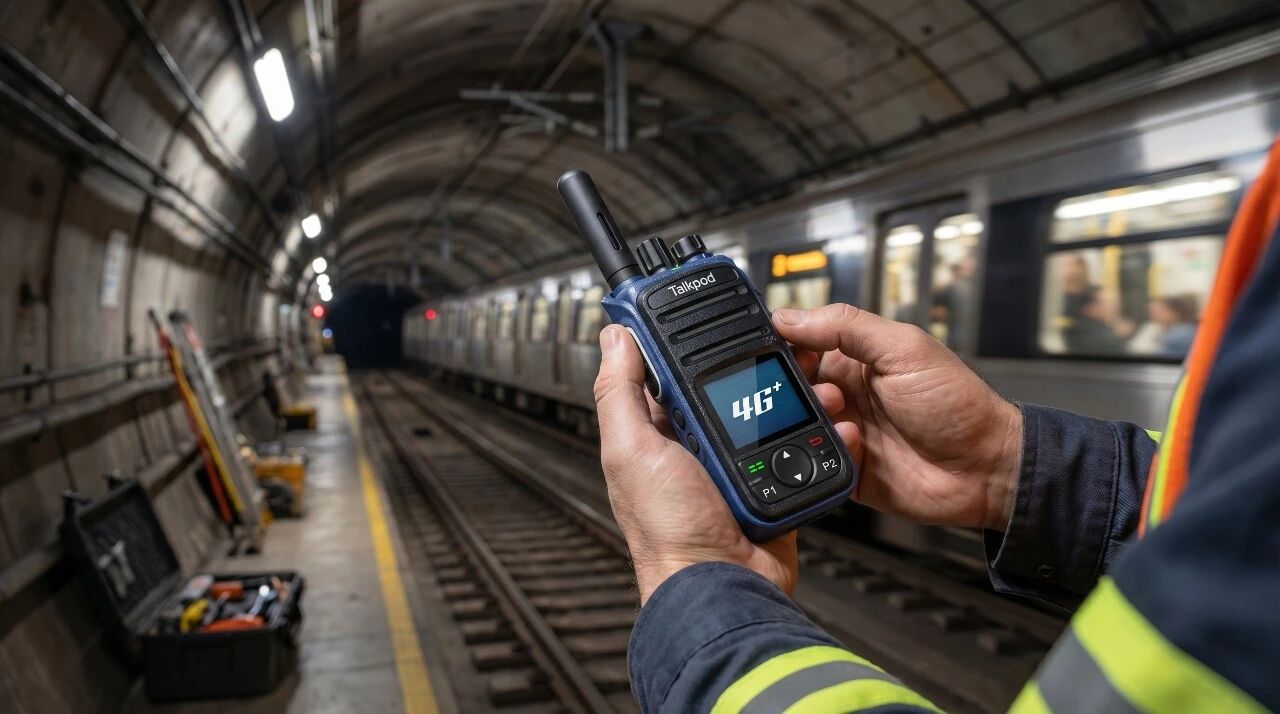
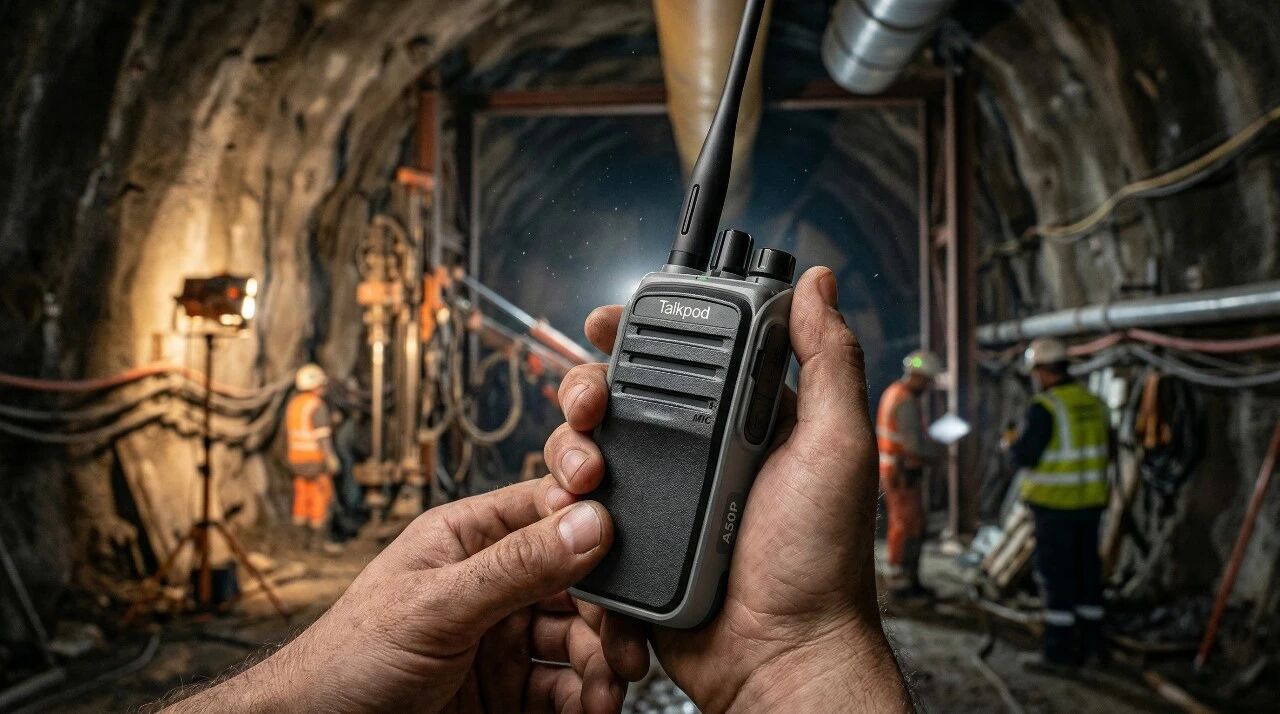
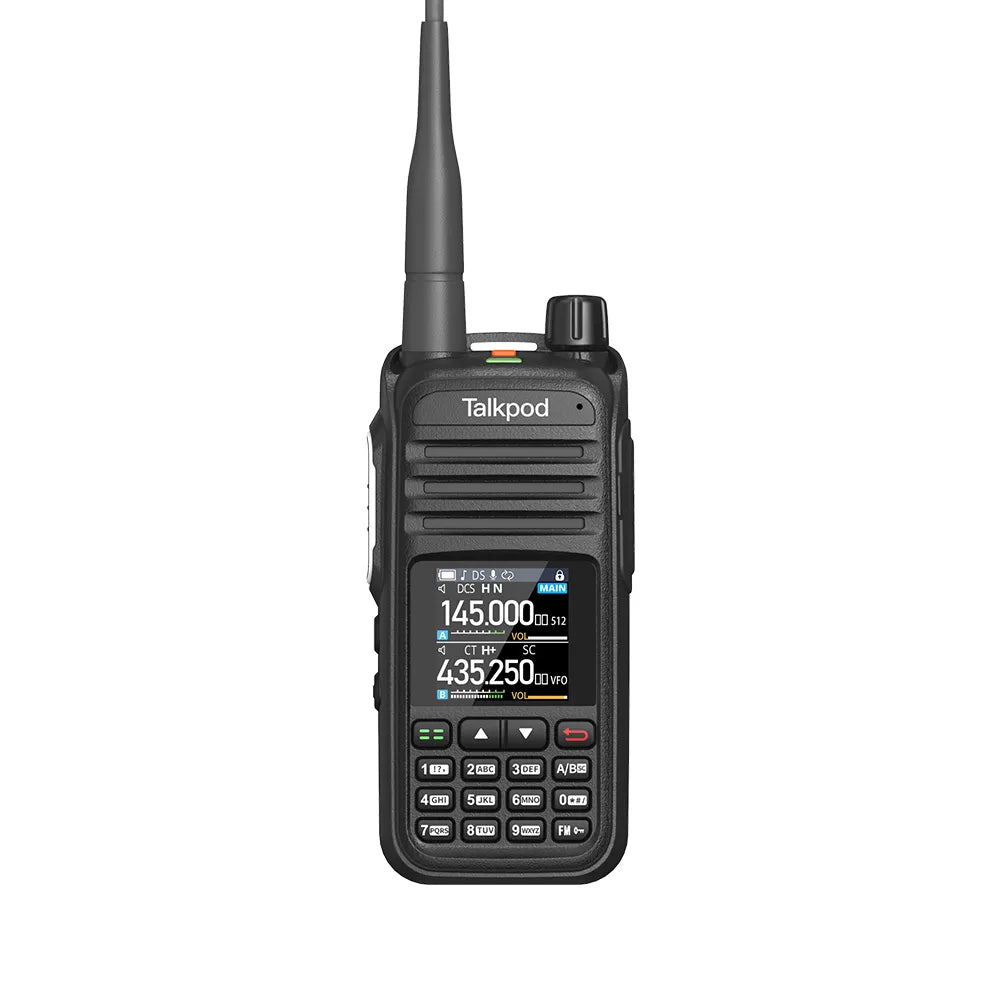
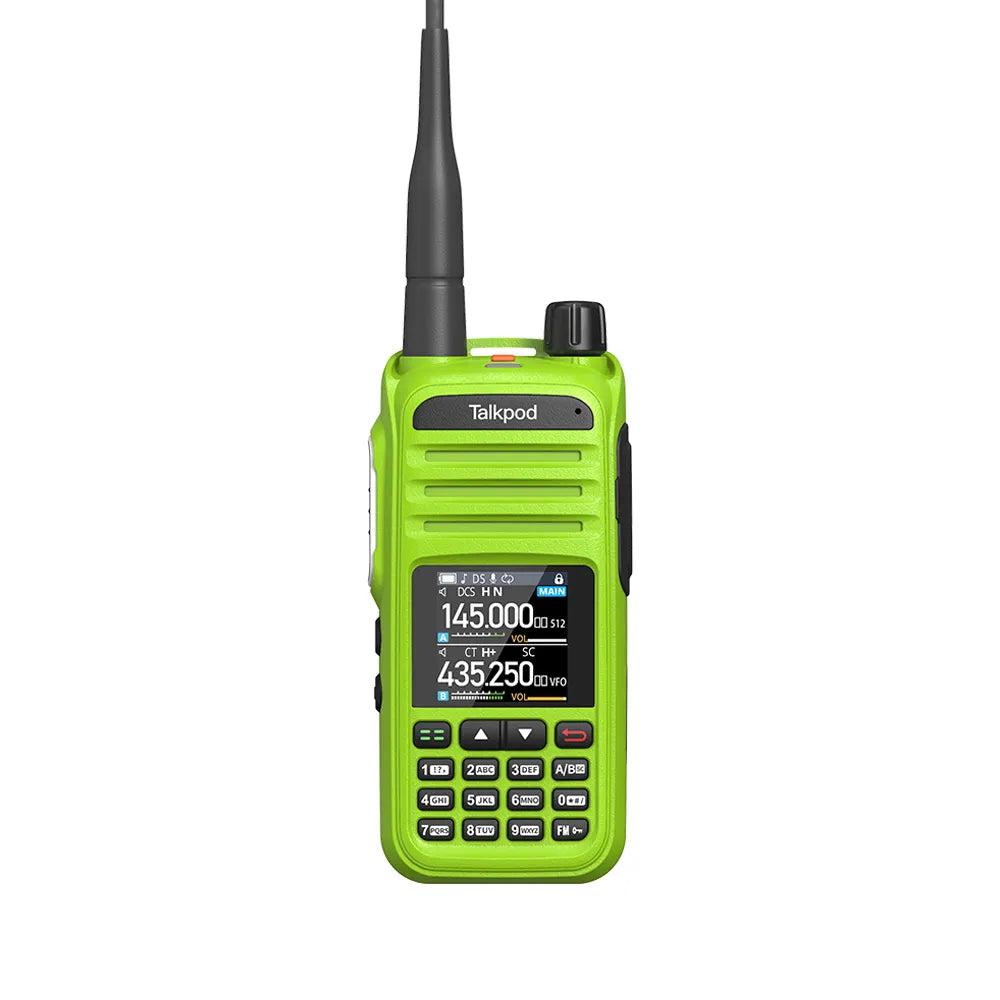
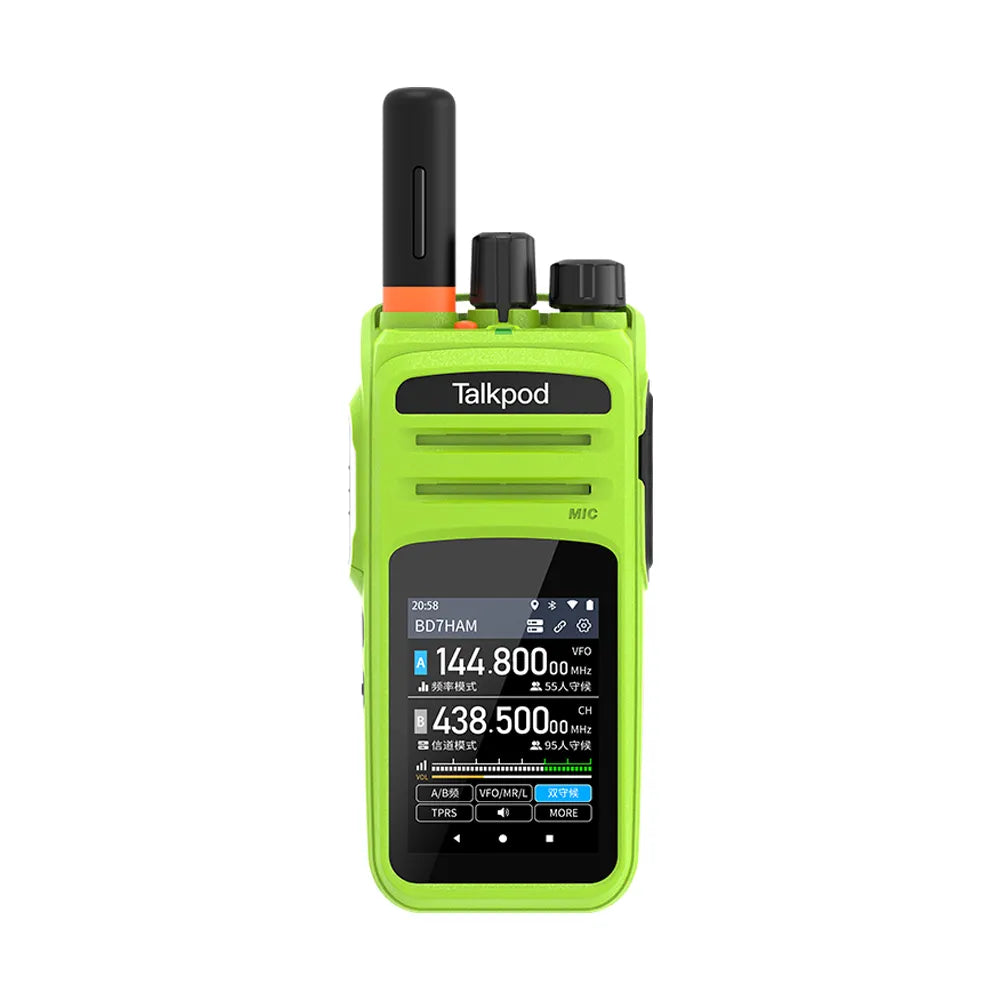
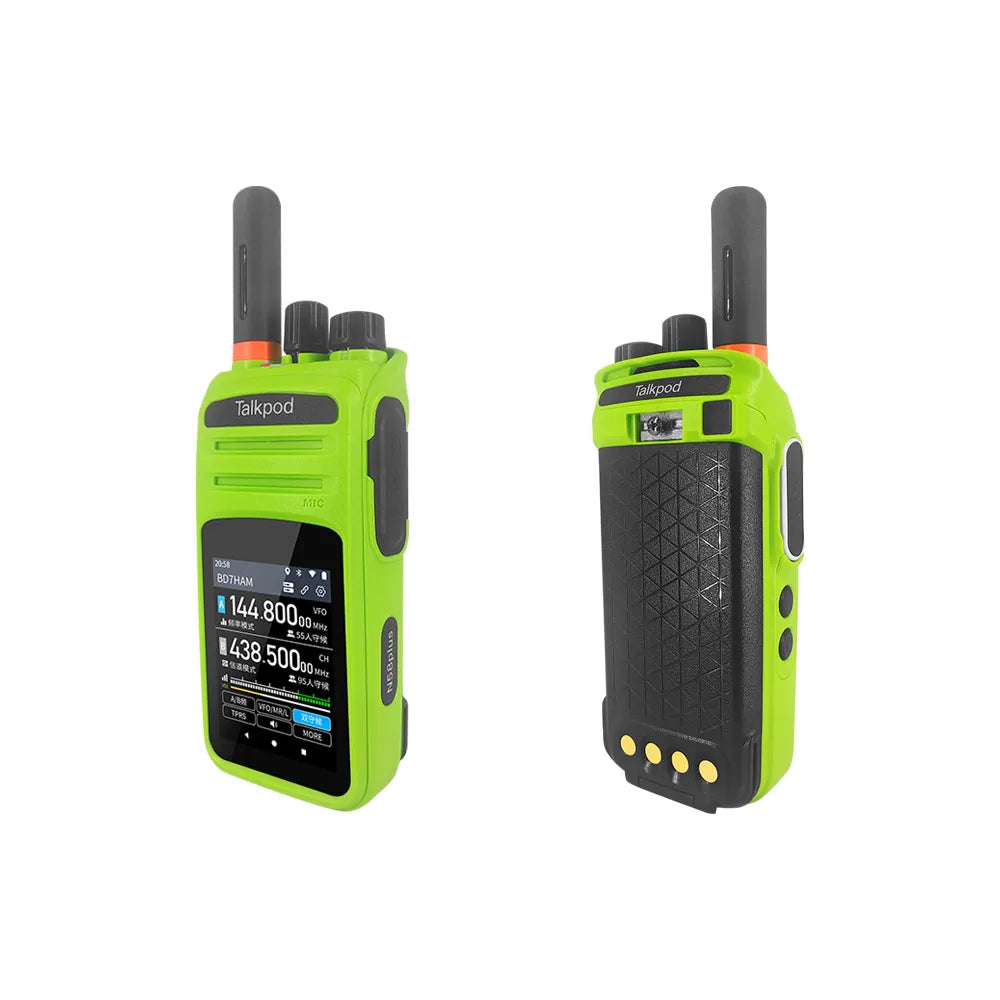
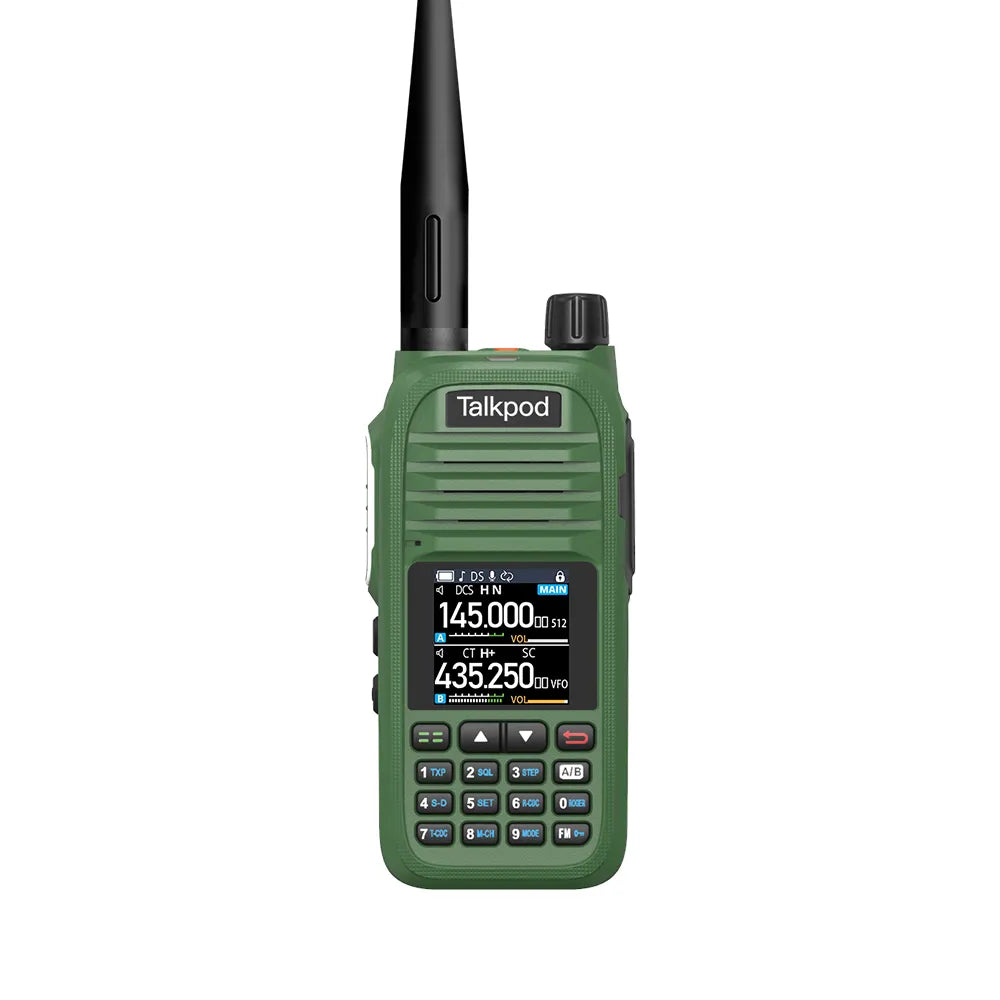
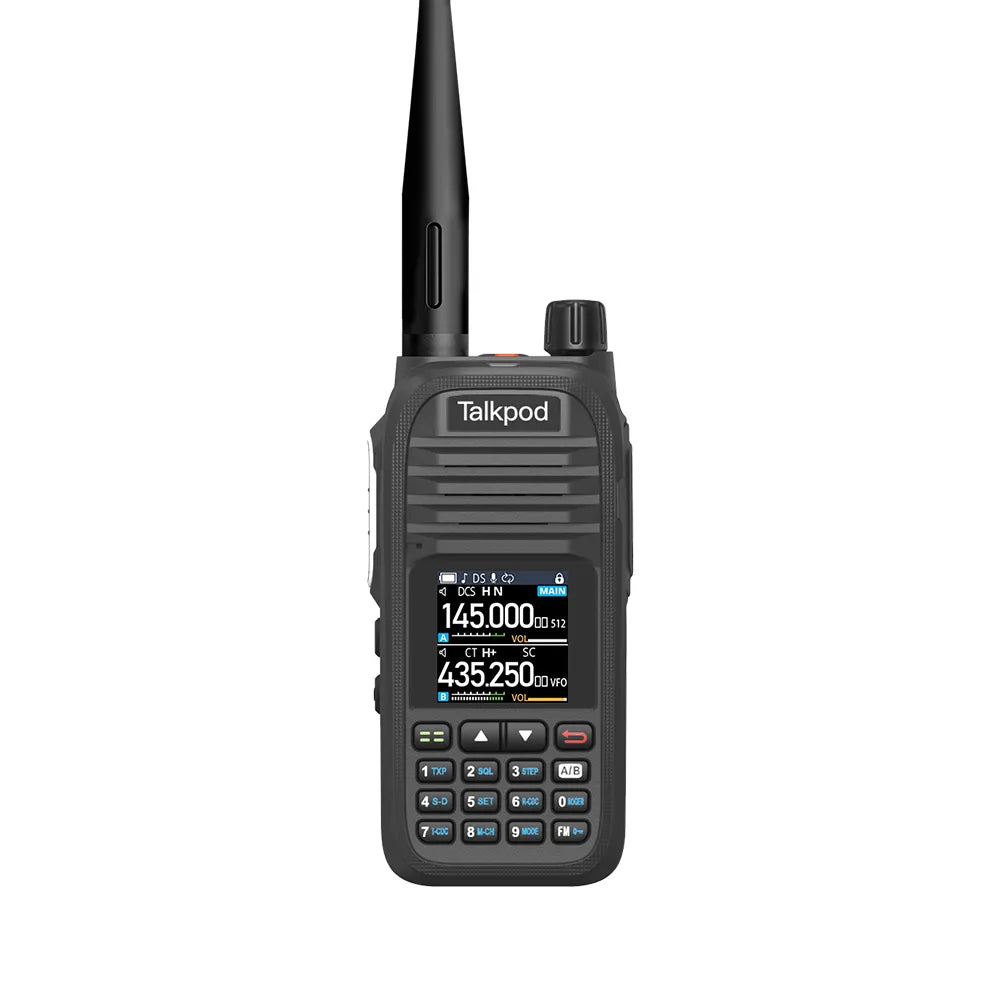
The Talkpod A50P ad hoc-network radio is designed for such moments. With automatic networking, flexible remote dispatch, long battery life and IP67 protection, it gives command-post dispatchers a communication tool that can keep working when public infrastructure cannot.
A communication network built inside the disaster zone
After a disaster, the absence of signal is often the rule rather than the exception. The A50P uses wireless interconnection technology to form a network automatically after power-on. It supports chain, mesh and tree-style networking, with low voice latency and flexible deployment.
Dispatchers do not need to depend on damaged external infrastructure. With A50P radios deployed across the site, the command post can quickly establish a communication network covering the affected area. Rescue teams, patrol points and logistics units can remain linked in real time, allowing instructions and updates to move without delay.
Multiple channels for precise dispatch
A disaster scene is rarely handled by one team. Search-and-rescue units, medical teams, logistics staff, security officers and transport crews may all be working at once. The A50P can store multiple channels, each of which can be configured for individual calls or group calls. Group-call IDs can be assigned flexibly according to task, area or team.
This gives dispatchers greater control. They can send a unified instruction to all teams, or contact a specific group to confirm progress, redirect personnel or adjust priorities. In a fast-changing rescue operation, that precision reduces confusion and helps keep every team within the command structure.
Remote dispatch for a clearer operational picture
When the disaster area is large and teams are scattered, dispatchers need more than voice contact. They need a way to manage people, groups and information from the command post. Through programming software and platform accounts, the A50P supports web and client-side back-end management, including group assignment, remote recording and GPS positioning.
For dispatchers, this means they can coordinate members remotely, review communication records and track team locations from the command centre. The result is a more disciplined dispatch system: easier to manage, harder to disrupt and better suited to the complexity of disaster response.
Built to operate in rain, mud and impact
Disaster sites are rarely clean or controlled. Rain, mud, standing water and debris are part of the operating environment. The A50P is rated IP67 for dust and water resistance, with multiple sealing rings across the body and a screw-fastened earphone cover to protect vulnerable openings.
It has also passed demanding tests for drops, high and low temperatures, vibration and other harsh conditions. Whether used in heavy rain, near flooded roads or in rough temporary command areas, the device is built to continue working when conditions deteriorate.
Long endurance for extended command
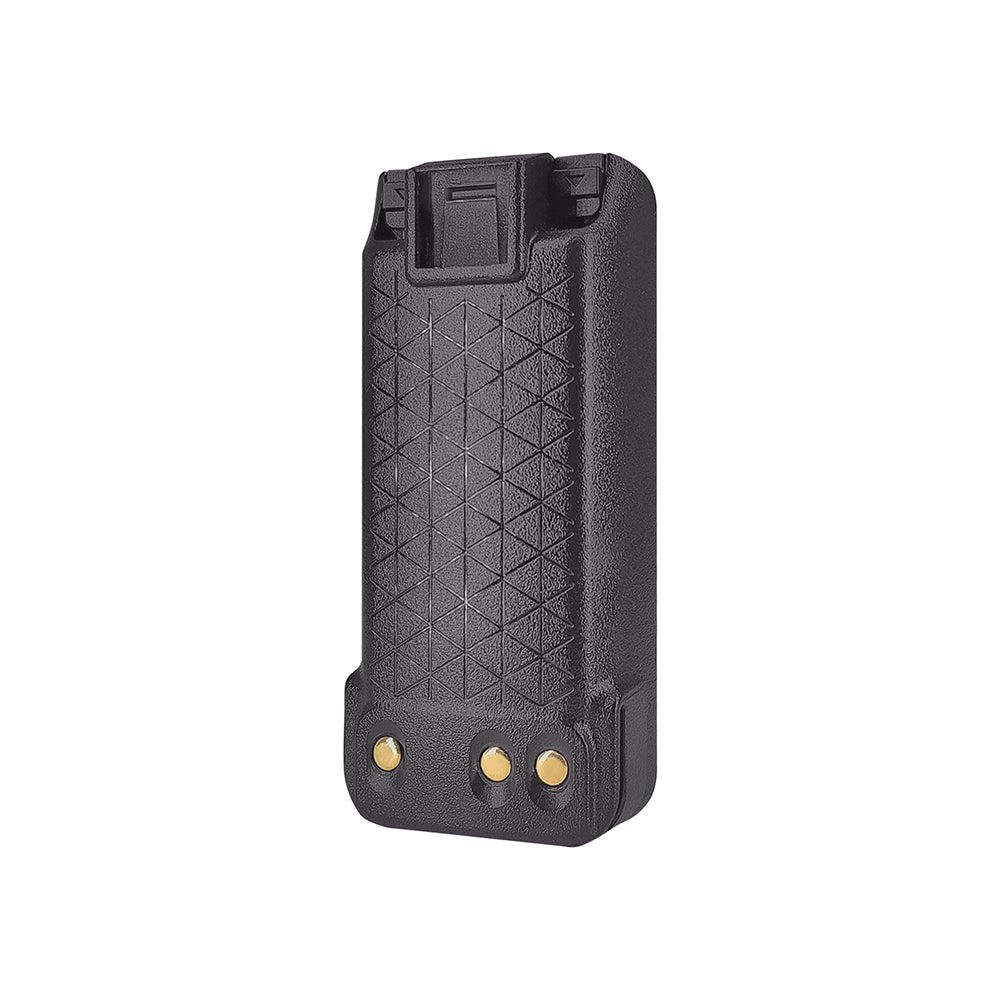
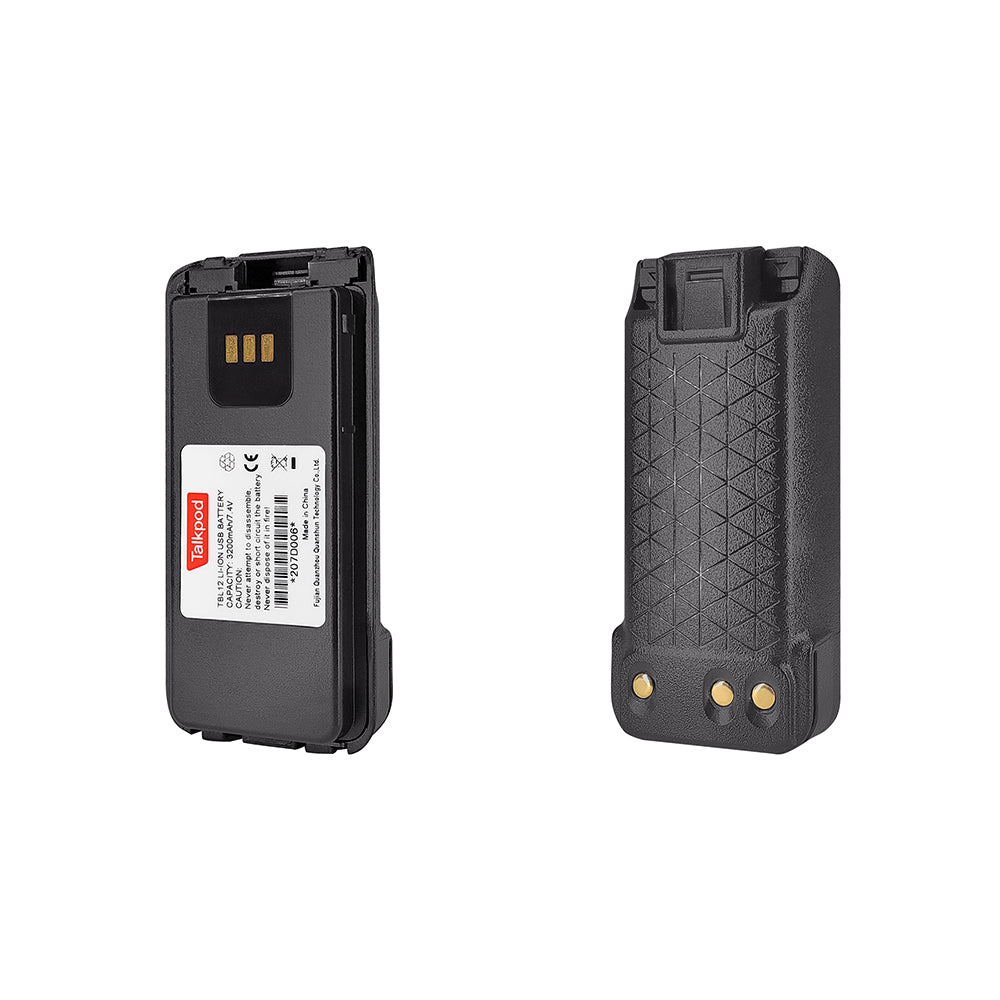
Disaster response often lasts for days. Dispatchers may need to remain online throughout the operation, and frequent charging is not always practical in a damaged area. The A50P is equipped with a high-capacity battery, supporting long working time and standby time measured in days.
That endurance helps keep the command link alive from the first emergency deployment to the final stage of recovery. In rescue operations, continuity is not a minor convenience. It is part of command reliability.
Encrypted and clearer voice for sensitive instructions
Disaster dispatch often involves sensitive information: casualty locations, evacuation plans, supply routes and security arrangements. The A50P uses a digital voice protocol and supports encrypted communication, helping reduce same-frequency interference and protect operational information.
Its digital noise-reduction algorithms also filter background noise and suppress feedback. Even in a noisy disaster scene, where machinery, rain, crowds and emergency vehicles compete with radio traffic, dispatch instructions can remain clear and audible.
In disaster response, the dispatcher is the link between strategy and action. The Talkpod A50P combines automatic ad hoc networking, flexible multi-channel dispatch, remote back-end management, IP67 protection and encrypted digital voice to create a communication system that is harder to break, easier to manage and clearer to hear.
When infrastructure fails, rescue cannot afford to fall silent. The A50P helps command posts keep their teams connected, their instructions moving and their operations under control.

Leave a comment
All comments are moderated before being published.
This site is protected by hCaptcha and the hCaptcha Privacy Policy and Terms of Service apply.