
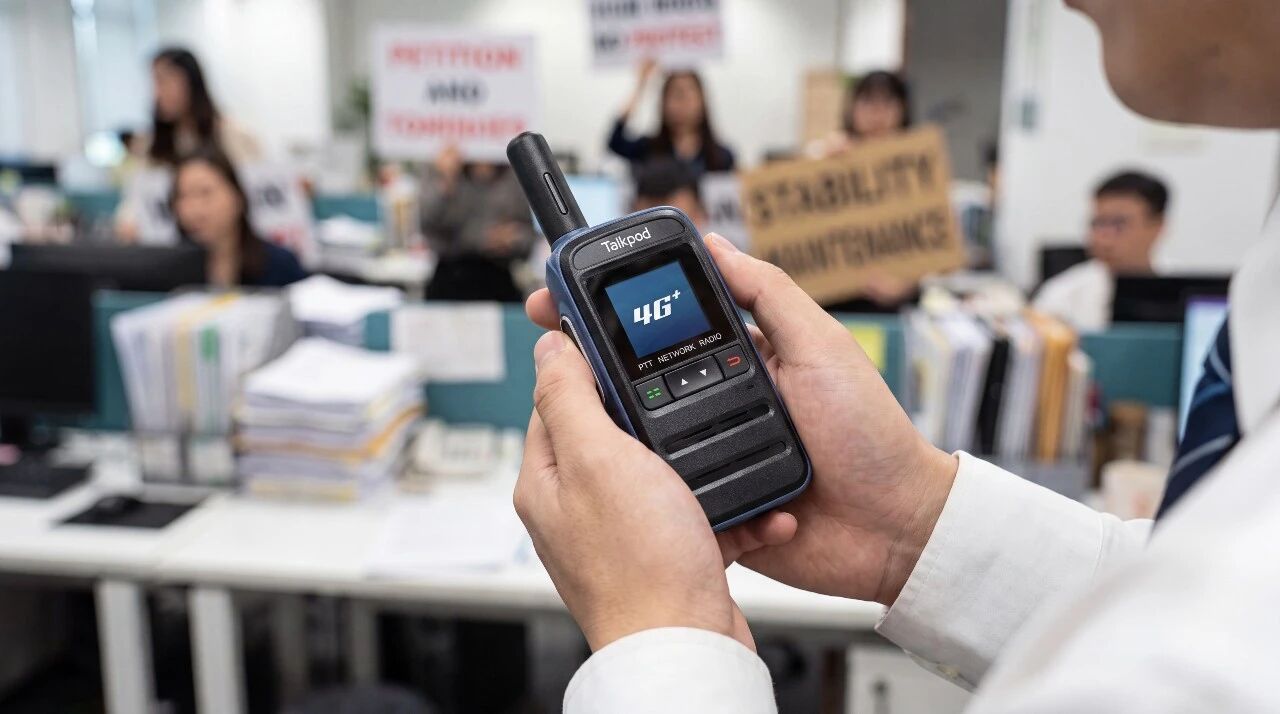
Petition reception and conflict mediation depend on conversation. Staff must listen to concerns, explain policy, coordinate departments and keep difficult situations from escalating. Much of this work takes place face to face, but effective handling also depends on what happens beyond the conversation: information must reach supervisors, support teams must be contacted and instructions must be shared without delay.
The work is often mobile. A mediator may move between a reception centre, a government office and an incident site, while colleagues and command staff remain in other locations.
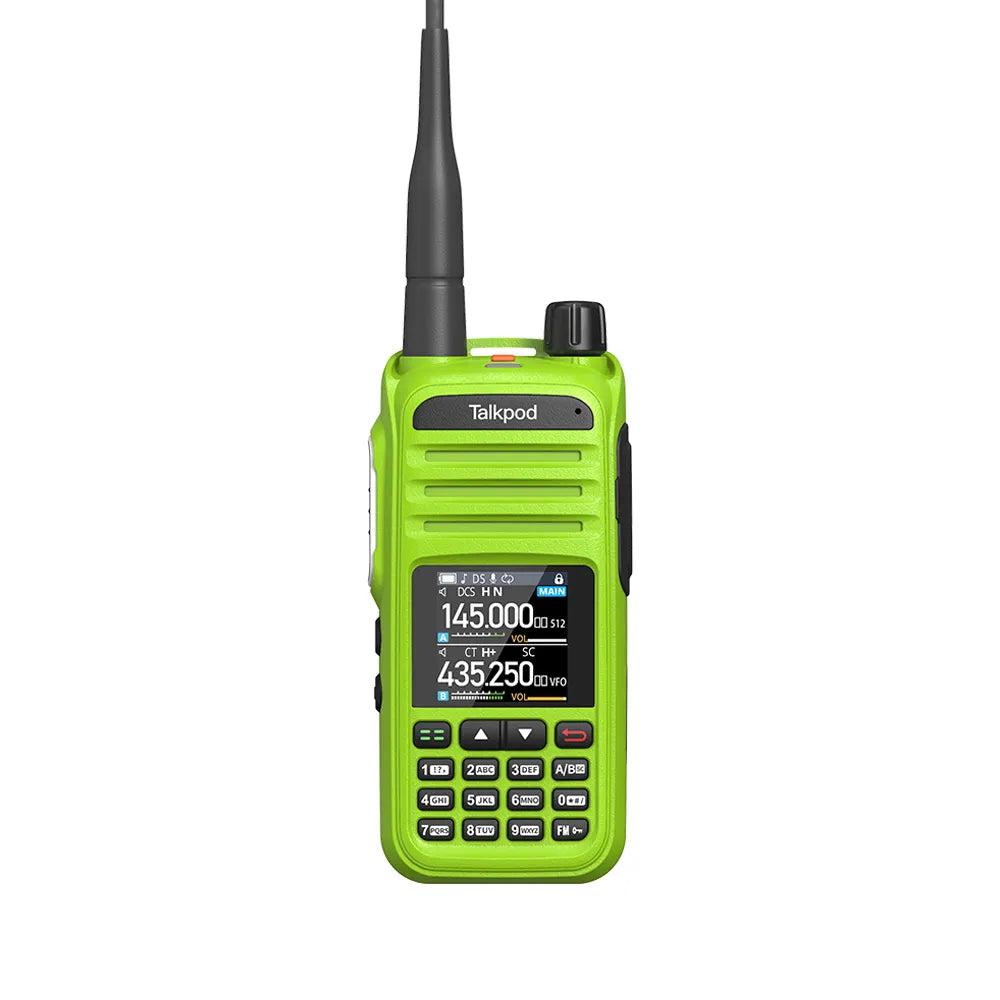
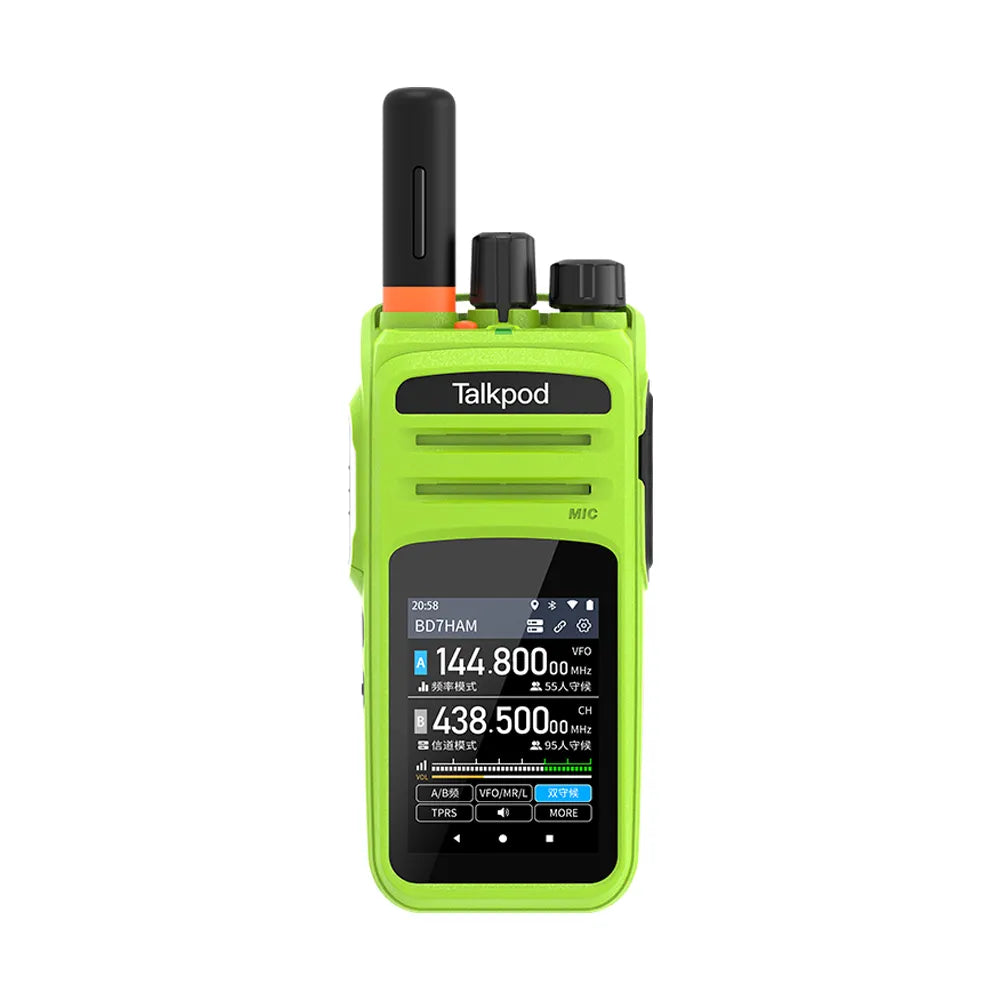
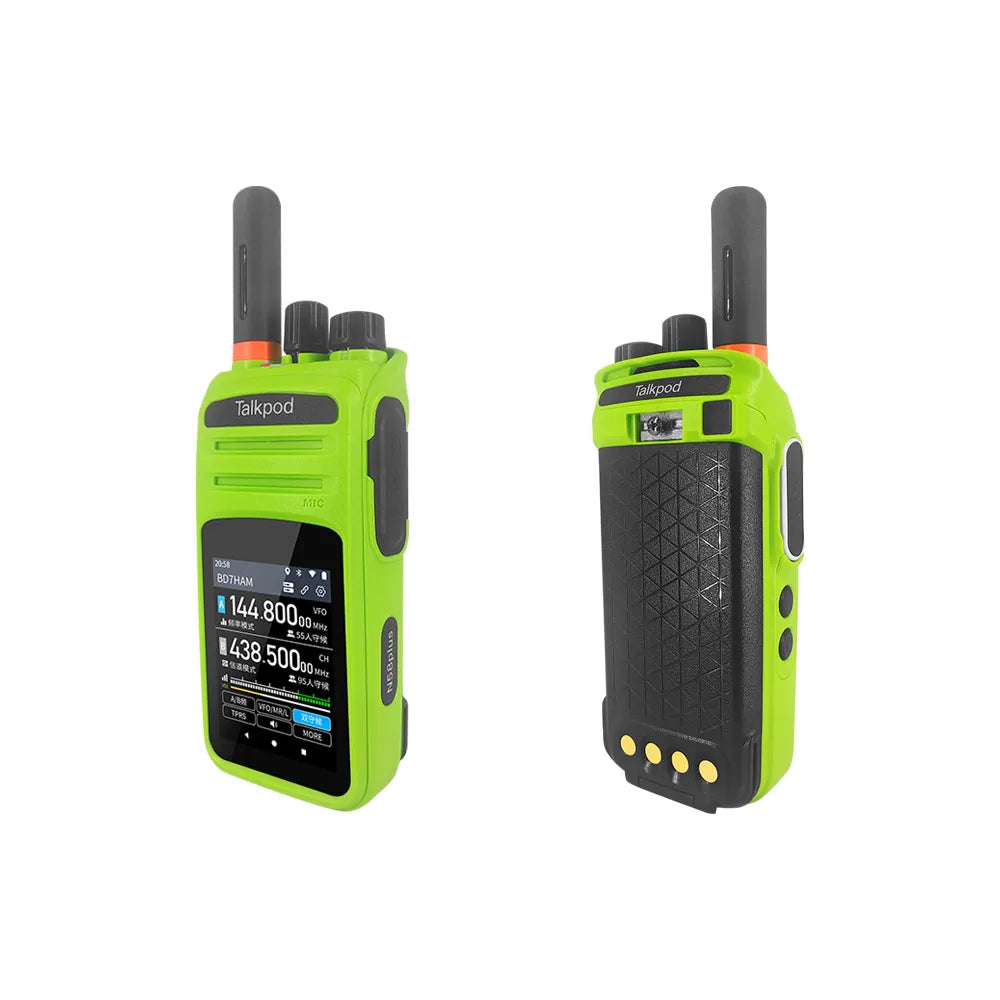
The Talkpod N15 public-network radio provides a portable communication link for these distributed teams. Using compatible public mobile networks, it supports wide-area push-to-talk communication, platform-managed groups and optional location services wherever suitable coverage is available.
Connecting teams across different areas
Some cases involve more than one department or jurisdiction. Staff may need to coordinate with local offices, mobile support personnel and a central command team at the same time.
The N15 operates through compatible mobile data networks, allowing authorised users in different locations to communicate within the same push-to-talk group. A field mediator can report a developing situation directly, while supervisors can issue updates without passing messages through several intermediaries.
This can be useful when a case moves between administrative areas or when additional personnel must be brought into an on-site response.
The system remains dependent on mobile-network availability. Its advantage lies in providing a wider operating area than a conventional direct radio link when suitable service is present.
Organising communication by responsibility
A reception or mediation operation may involve registration staff, policy advisers, on-site coordinators and security-support personnel. Not every message needs to reach every group.
Through the dispatch platform, administrators can organise N15 users according to task, location or responsibility. Registration staff can remain within one working group, while on-site mediation and support teams use others.
The N15 supports group and individual calls. A team leader can address the wider working group when a general instruction is required, or contact a particular mediator directly to discuss a sensitive detail without interrupting everyone else.
Optional GPS positioning can also provide authorised command personnel with the location of equipped staff. This can support deployment and help supervisors identify which team is closest when circumstances change.
Clearer audio in difficult conversations
Petition-reception sites may become crowded and noisy, particularly when several people are waiting or speaking at once. Weak audio increases the chance that instructions will be missed or misunderstood.
The N15 uses digital voice processing and a high-output speaker to provide louder and clearer communication. This helps staff hear short operational messages and requests for support without repeatedly leaving their positions to confirm information.
Clear communication does not resolve a dispute by itself. It allows the people responsible for resolving it to work with the same information.
Protecting sensitive operational communication
Mediation work may involve personal information and details that should not be shared beyond the authorised team.
The N15 supports protected platform-based communication and account-managed groups. These features can help restrict operational traffic to approved users and reduce unrelated access.
Their effectiveness will still depend on platform configuration, account security and organisational procedures. Sensitive personal information should be handled in accordance with applicable privacy rules rather than relying on a radio feature alone.
Portable enough for a full working day
Mediators and reception staff may carry communication equipment for many hours while moving between rooms, offices and field locations.
The N15 has a compact body measuring approximately 30mm thick and weighing about 170g with its battery. Its portable design reduces the burden of carrying it alongside documents, identification and other work equipment.
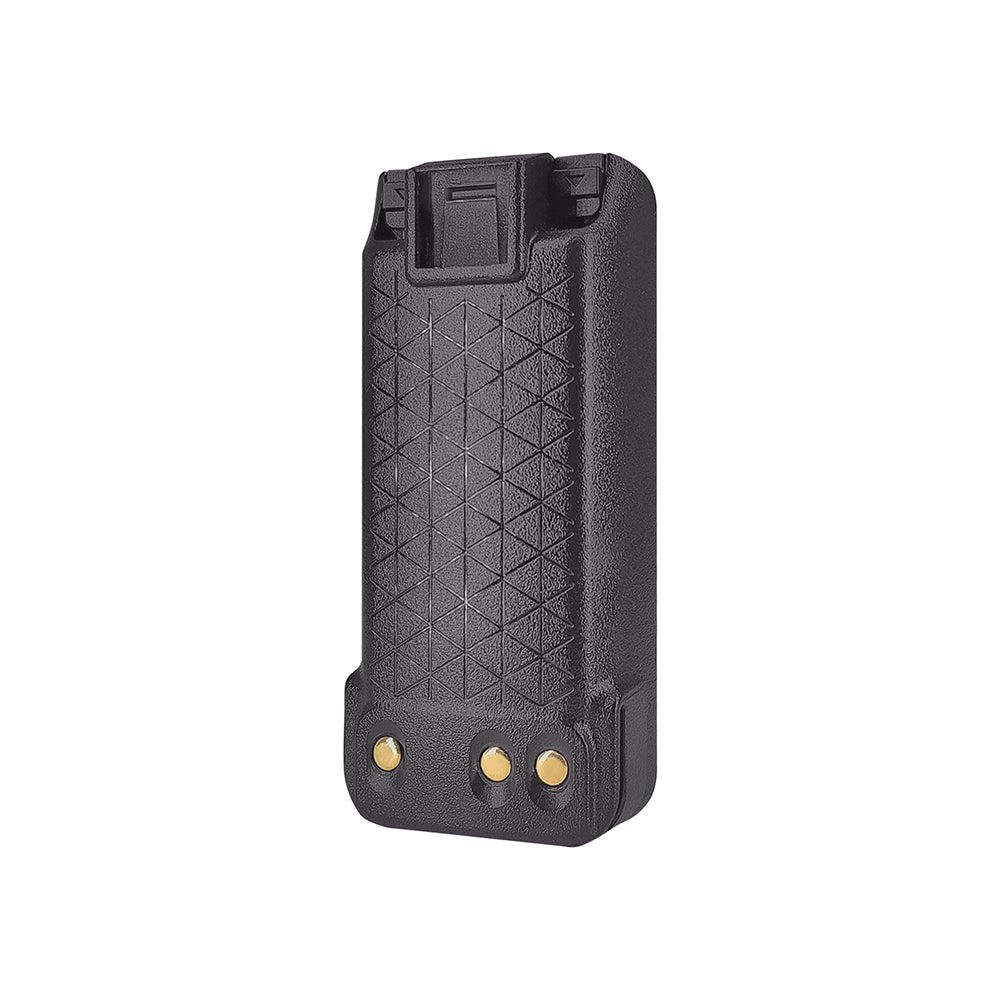
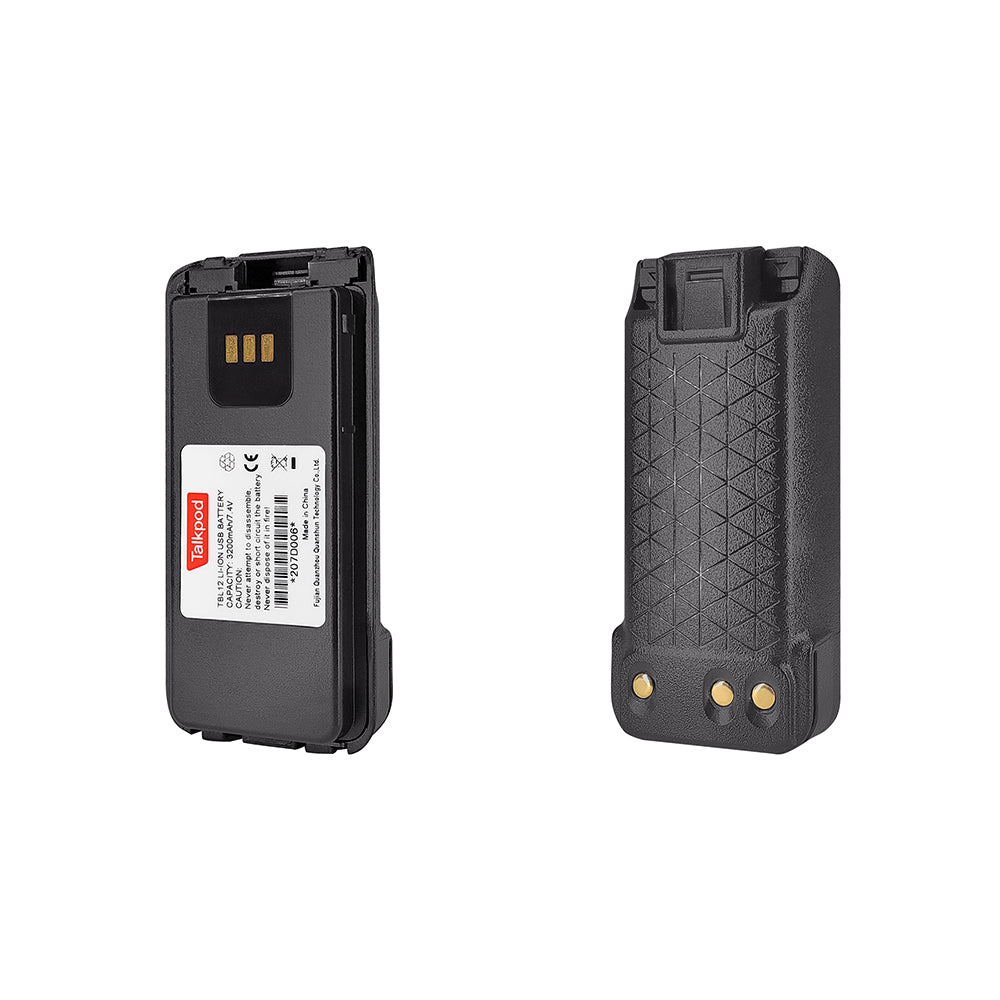
The device has undergone environmental-reliability testing associated with MIL-STD-810 requirements and is designed for demanding everyday use. A 3000mAh battery provides up to approximately ten hours of operation under suitable conditions, while fast charging helps prepare the unit for extended or changing shifts.
Actual battery endurance will depend on transmission frequency, network conditions and audio settings.
Greater flexibility through dual SIM support
Mobile-network conditions can vary between buildings and operating areas. The N15 supports two SIM cards, giving teams the option of using compatible services from different network operators.
Where one operator’s service is weak, the device may be able to use the alternative connection according to its configuration. This provides greater flexibility, although it cannot guarantee continuous communication where both networks are unavailable.
A communication layer behind effective mediation
The N15 does not replace patient listening, professional judgement or established procedures for handling petitions and disputes. It supports the coordination around them.
Wide-area push-to-talk helps connect mobile teams with command staff. Group management directs information towards the appropriate personnel. Clear audio supports work in crowded environments, while optional positioning and dual-SIM capability provide additional operational flexibility.
For petition and mediation teams, its value is straightforward: the right staff can be contacted sooner, instructions can be shared more precisely and support can be coordinated before a difficult situation becomes harder to manage.
Good mediation happens through careful conversation. Good communication helps ensure that the people conducting it are never working alone.

Leave a comment
All comments are moderated before being published.
This site is protected by hCaptcha and the hCaptcha Privacy Policy and Terms of Service apply.