
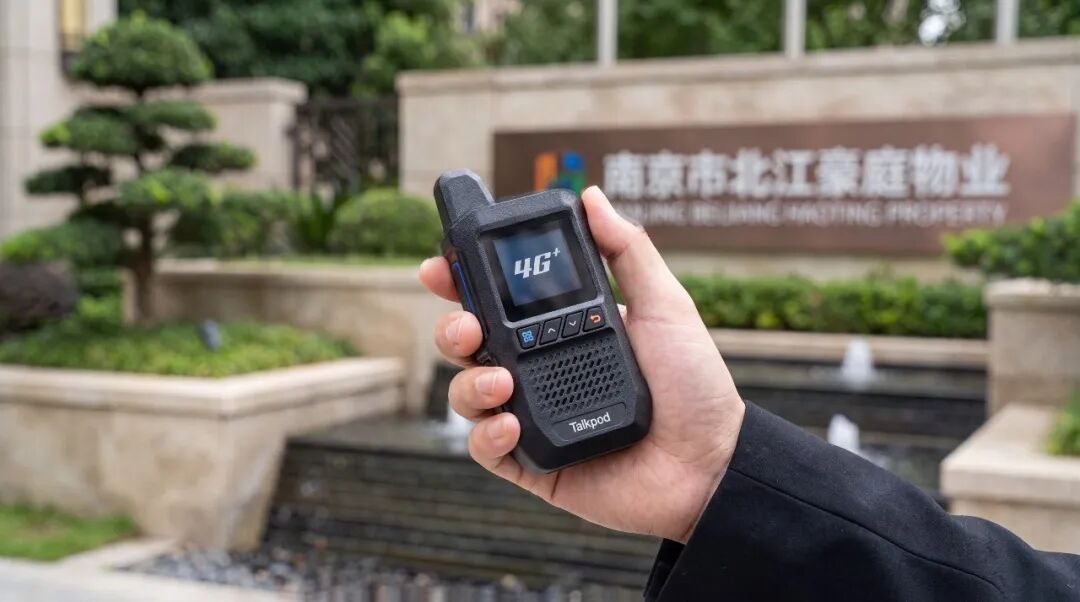
Residential security begins at the gate, but it cannot end there.
At Nanjing Beijiang Haoting, security personnel are distributed across entrance posts, patrol routes and other parts of the residential grounds. They must verify visitors, record the movement of large items, respond to residents’ concerns and report unusual activity around the property.
The challenge is coordination. Multi-storey buildings and the distance between duty points can weaken conventional radio links. When a gate officer needs information from a property manager or assistance from a patrol team, delays can make a routine situation harder to manage.
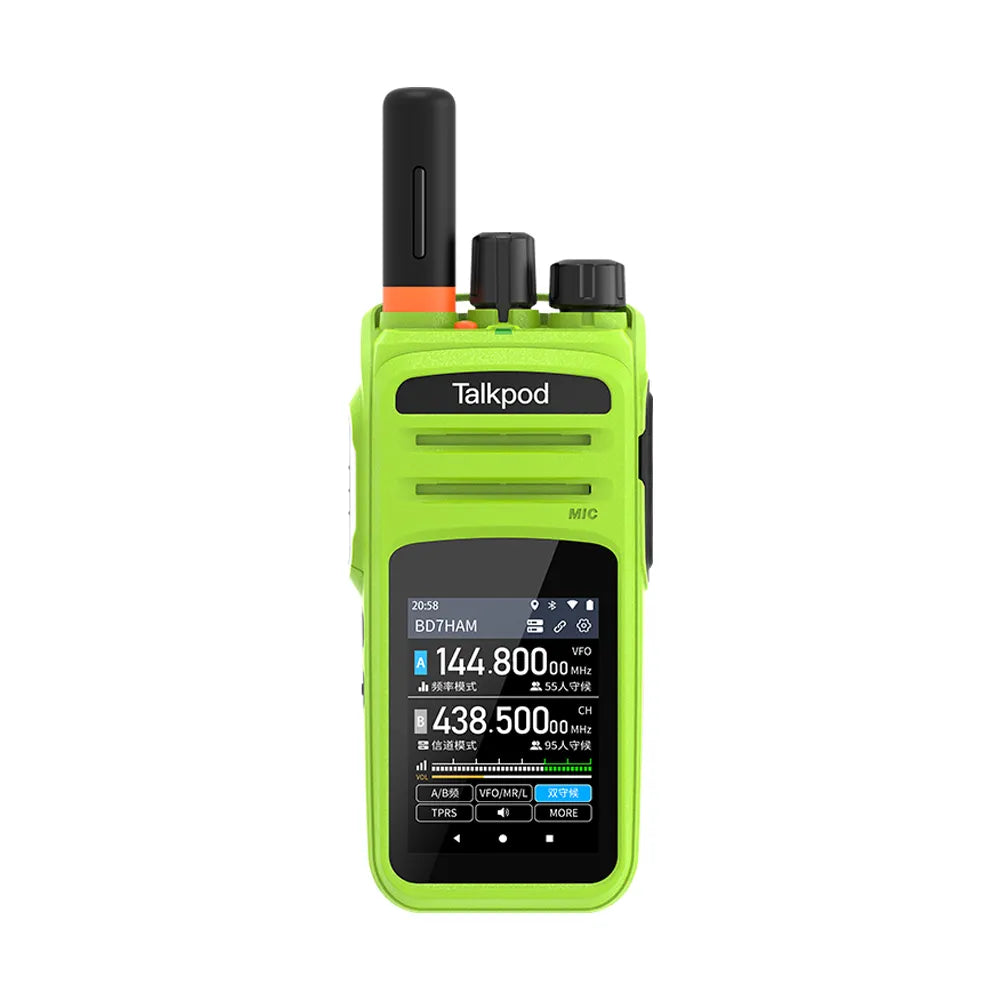
The Talkpod C11 public-network trunked radio was introduced to provide a more direct communication link between gate personnel, mobile patrols and property-management staff.
Connecting dispersed security positions
A residential development may have several entrances, internal roads, parking areas and patrol zones. Each position has a limited view of what is happening elsewhere.
Using compatible public mobile networks, the C11 supports wide-area push-to-talk communication wherever suitable coverage is available. Gate officers can contact patrol personnel or the duty manager without relying solely on the range of a conventional direct radio link.
This makes it easier to coordinate across different parts of the community. A report from an outer gate can reach a nearby patrol. A manager can issue an update to several duty points. Staff responding to an incident can remain in contact as they move through the site.
The system remains dependent on mobile-network availability, particularly in enclosed or heavily shielded areas. Its practical advantage is that it can connect positions across a wider property when suitable service is present.
Faster visitor verification
Visitor management often requires information from more than one person.
A gate officer may need to confirm a resident’s details, contact the relevant building or check whether a delivery has been authorised. Without direct communication, the visitor waits while staff make phone calls or send someone to find a colleague.
With the C11, the gate officer can reach the appropriate property manager or duty group directly. Questions can be resolved with fewer intermediate steps, while unusual situations can be reported to patrol staff before entry is approved.
For residents and visitors, the benefit is not simply faster access. It is a process that feels more orderly and consistent.
Quicker support for unusual situations
Security work is mostly routine until it suddenly is not.
An unknown person may be seen near the perimeter. A dispute may develop at an entrance. A gate officer may require another employee to attend before dealing with a large delivery or a suspicious situation.
Preset shortcut groups allow C11 users to reach frequently contacted teams more quickly. Rather than searching through a long contact list, personnel can call the relevant duty manager, patrol group or support team with fewer steps.
This helps the property team move from observation to response more efficiently, while keeping the appropriate staff informed.
[Image]
Designed for day and night duty
Security personnel may carry a radio throughout a long shift. The device must be easy to operate while standing at a gate, checking identification or walking a patrol route.
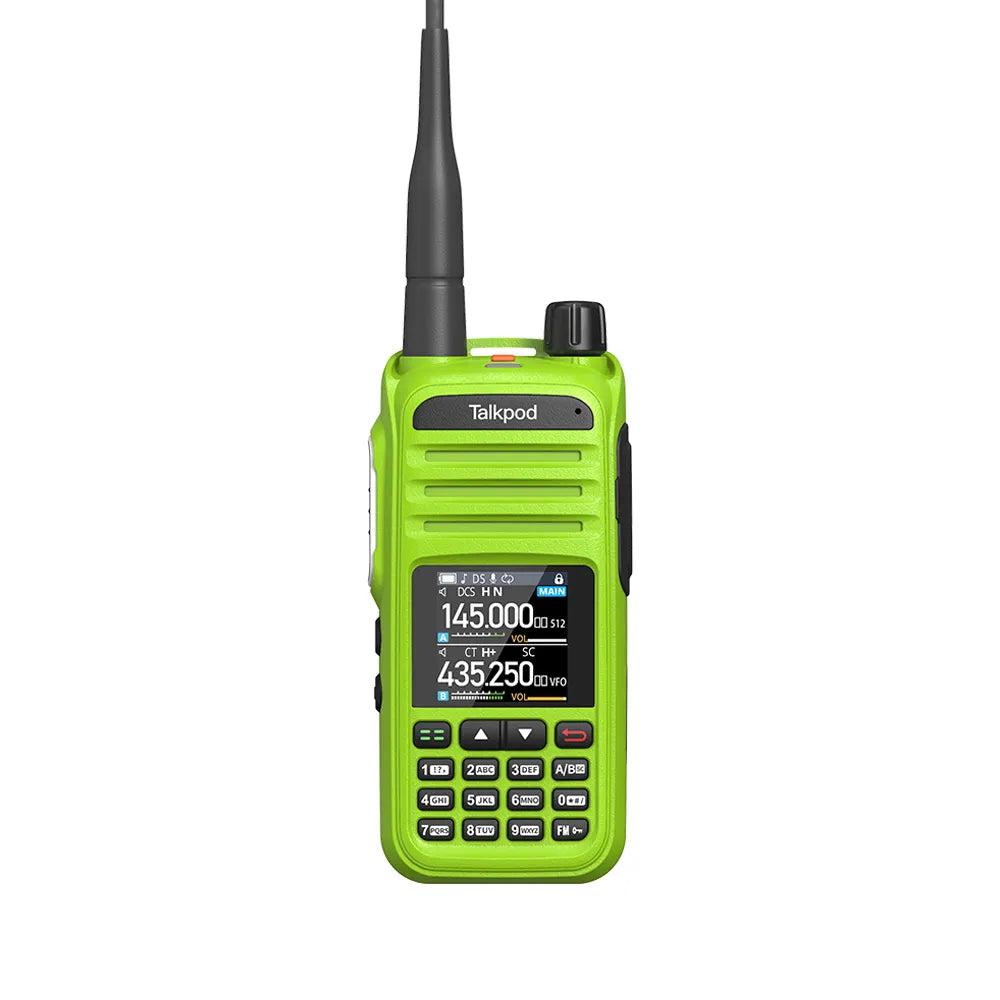
The C11 has a compact, lightweight body suited to everyday carrying. Its illuminated buttons make key controls easier to identify in dim conditions, including night-time gate duty and poorly lit areas around the property.
The small form factor also leaves officers’ hands freer for registration work, access controls and other routine tasks.
These are simple design choices, but they matter in a job where the same device may be used repeatedly throughout the day and night.
Configuration built around the property
Talkpod configured dedicated shortcut groups according to Beijiang Haoting’s security structure. Gate posts, patrol personnel and property-management staff could be organised around their actual responsibilities rather than using one crowded communication group.
On-site practical training was also provided for gate-security employees. Staff learned how to select groups, make calls and use the device in common duty scenarios. This reduced the difficulty of introducing new equipment to personnel with little previous experience of professional radios.
A dedicated support channel was established for operational questions after deployment, helping the property team resolve configuration and usage issues more quickly.
A more connected security routine
After deployment, gate personnel could verify information more directly, while patrol teams could be called sooner when support was required. Communication between fixed posts and mobile staff became more structured, reducing the need to relay messages through several people.
The C11 does not replace access-control procedures, patrol routines or professional judgement. It helps connect the people responsible for carrying them out.
For residents, the radio itself remains mostly invisible. What they notice is that gate checks are handled more smoothly, staff appear better informed and assistance arrives with less delay.
In residential security, a stronger response often begins with a very small improvement: the person at the gate can reach the right colleague immediately.

Leave a comment
All comments are moderated before being published.
This site is protected by hCaptcha and the hCaptcha Privacy Policy and Terms of Service apply.