
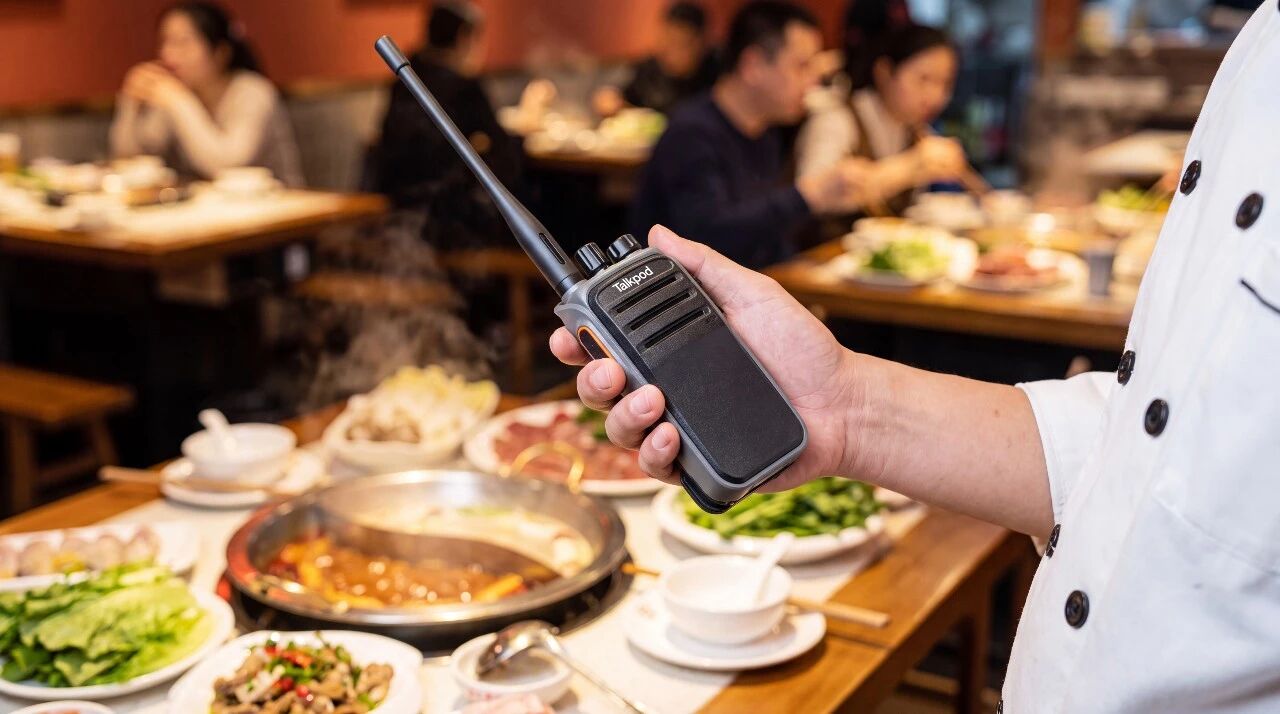
A hotpot restaurant is built around the table, but it runs on communication behind the scenes.
During peak hours at Changsha Buliaoguo Hotpot, servers move between dining tables and private rooms while kitchen teams prepare a constant flow of additional dishes. Guests change spice levels, add ingredients and request faster service. Tables must be cleared and reset as waiting customers gather outside.
The restaurant’s layout made this coordination more difficult. Walls separated private rooms from the main dining area, while the kitchen and preparation spaces sat deeper inside the premises. Crowd noise, ventilation systems and kitchen activity made spoken instructions easy to miss.
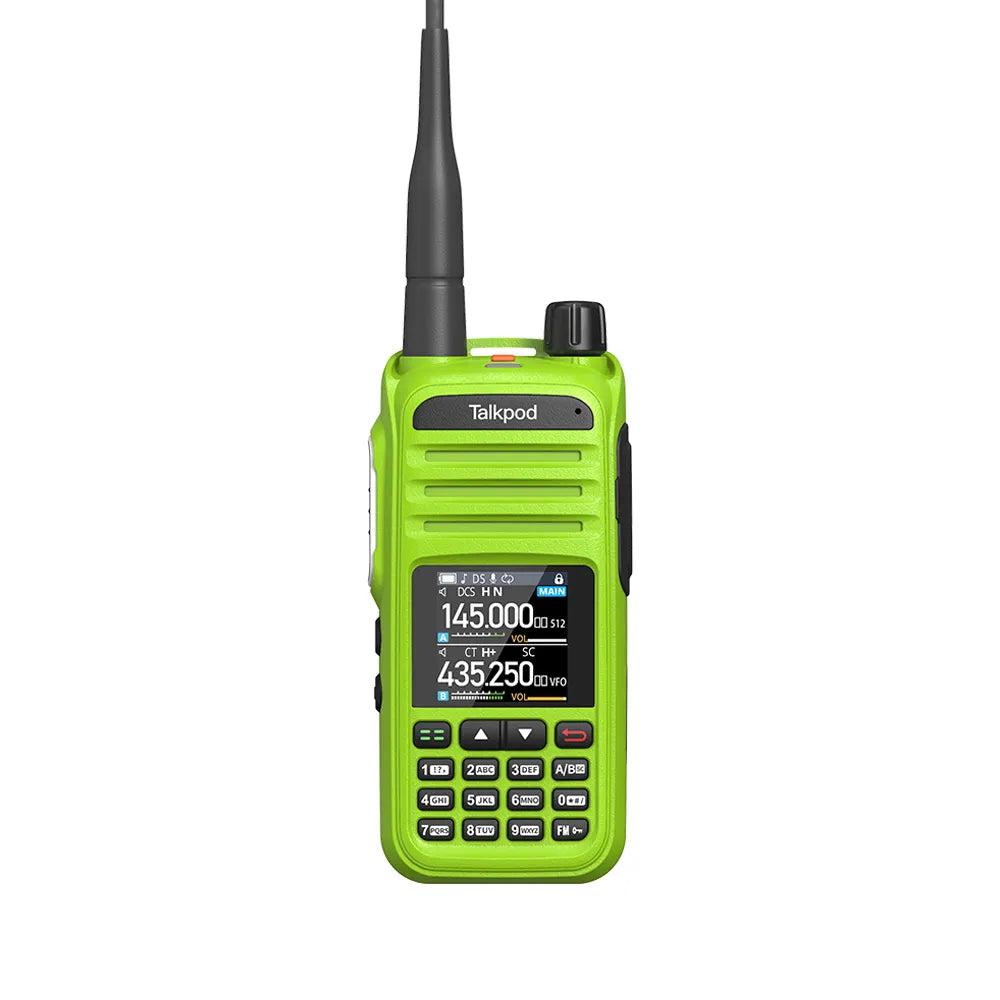
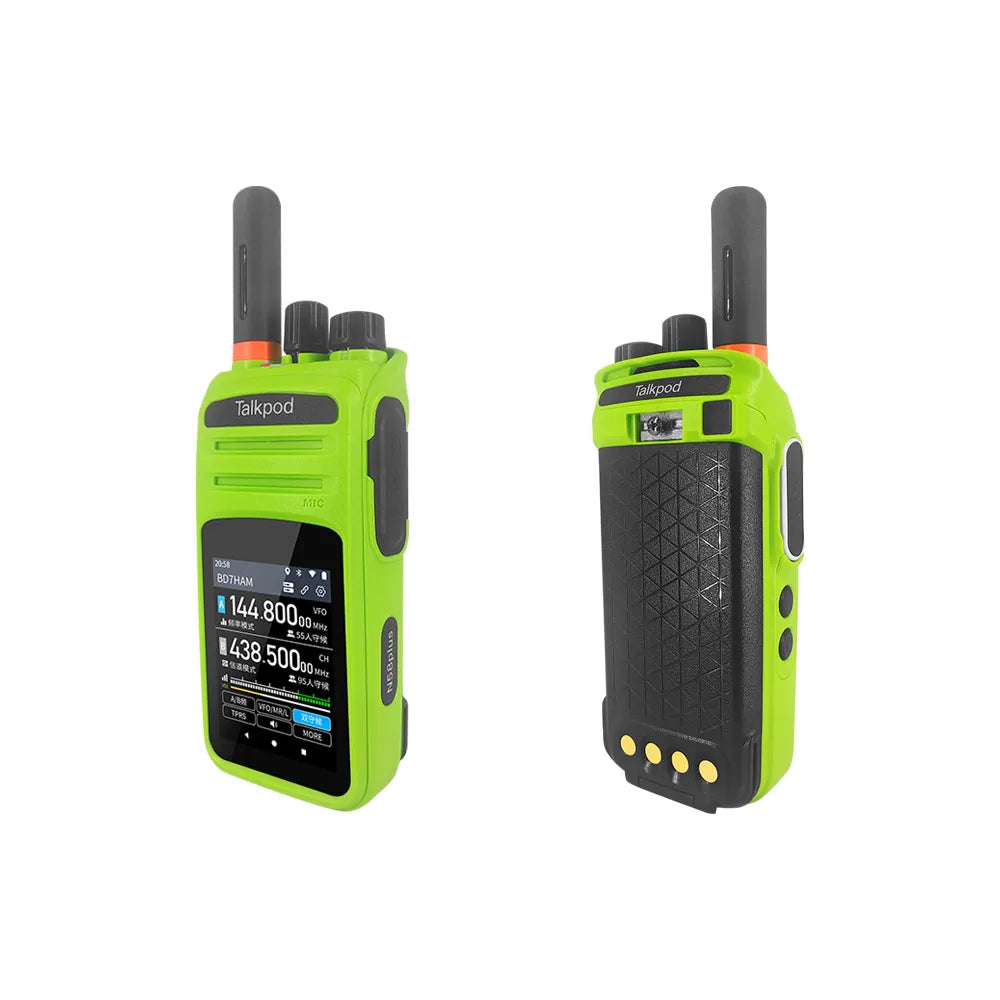
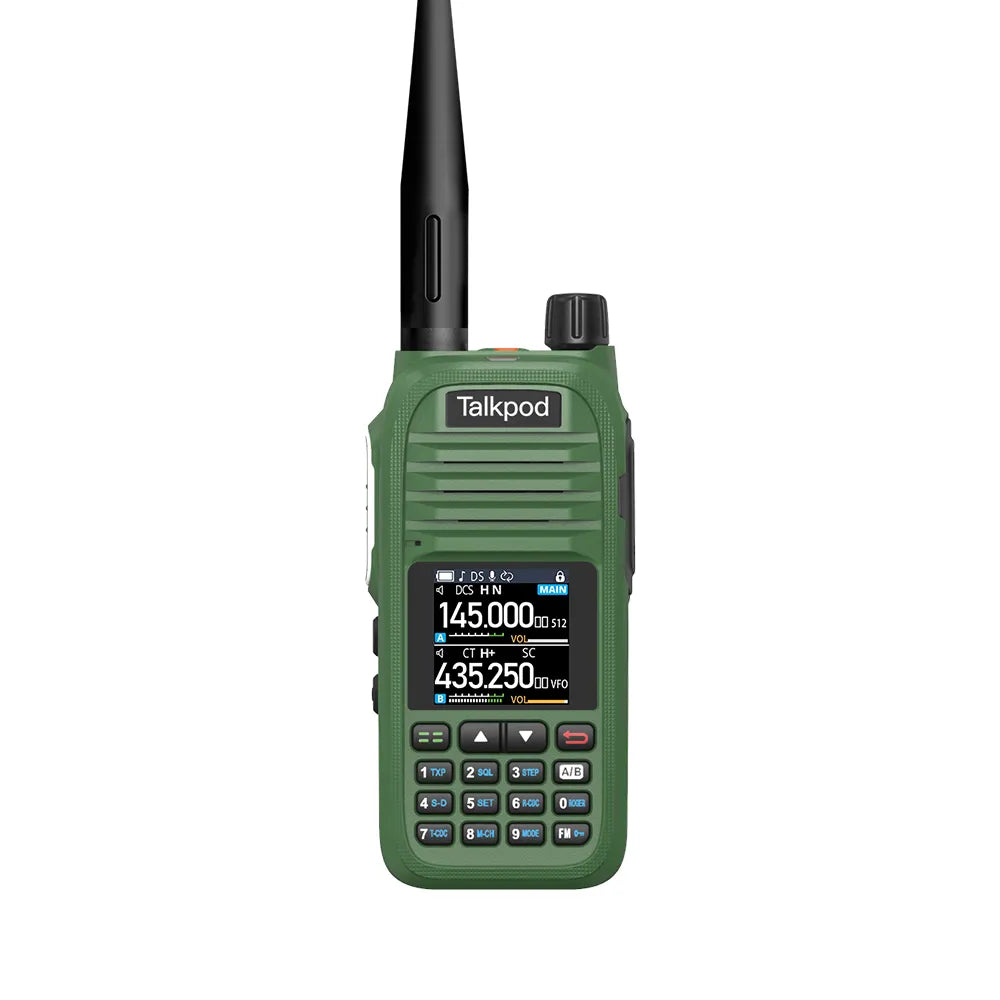
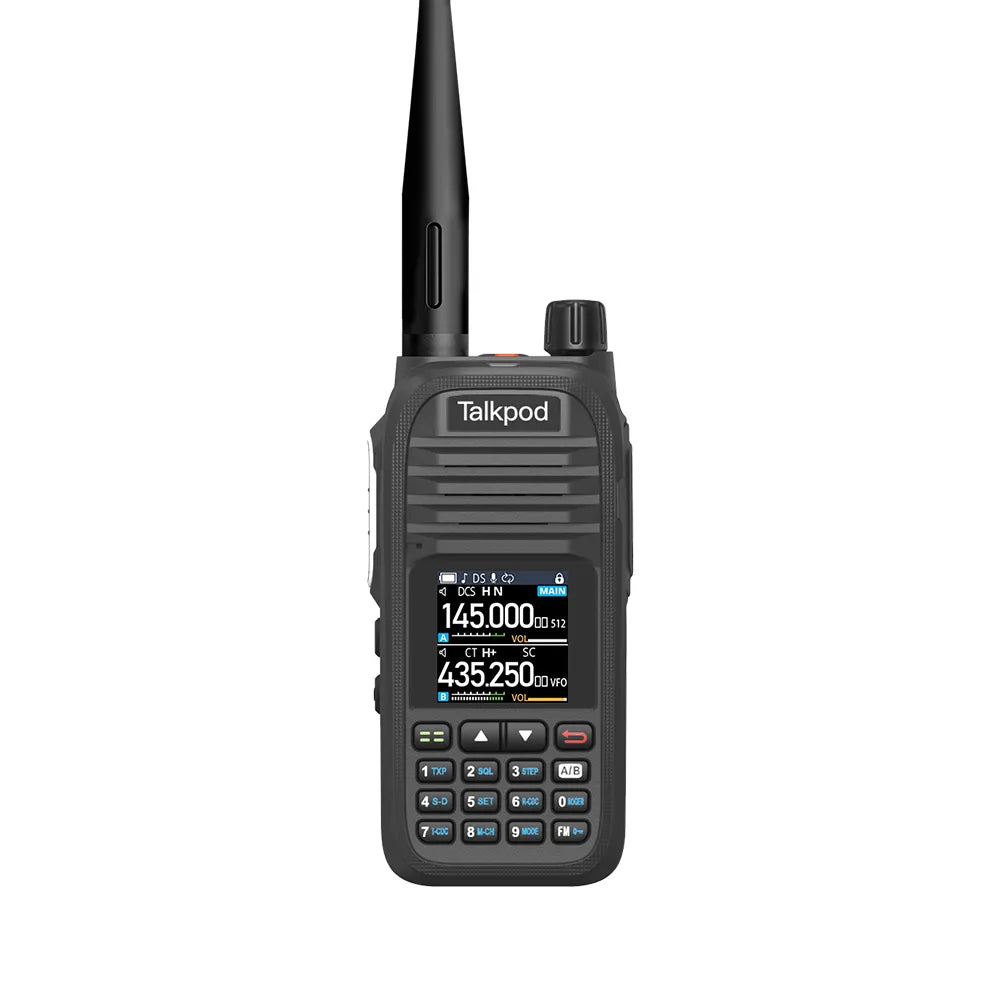
The Talkpod A50P ad hoc networking radio was introduced to create a more direct communication link between front-of-house and kitchen teams.
Building communication around the restaurant
Restaurants are not always easy environments for conventional radio communication. Walls, corridors, cooking areas and separate dining rooms can weaken direct links between staff.
The A50P supports automatic ad hoc networking and multi-hop relay. Once switched on, radios can connect with nearby devices and pass voice communication through intermediate units. This allows the network to be arranged around the restaurant’s actual layout without installing fixed base stations or additional communication cabling.
Coverage will still depend on distance, wall materials and the placement of radios. A carefully configured network can nevertheless help reduce interruptions between the dining floor, private rooms and back-of-house areas.
For a restaurant that must remain open while installing its communication system, the absence of permanent infrastructure is a practical advantage.
Linking the dining room with the kitchen
Many service delays begin with a simple gap in information.
A guest requests a less spicy soup base. A table adds another plate of meat. A server needs to know whether an ingredient is still available. Without a direct communication channel, employees may have to walk back to the kitchen or pass the message through several colleagues.
Using the A50P, front-of-house staff can report special requests and additional orders directly. Kitchen personnel can confirm availability, warn of shortages or update servers when a dish is delayed.
This gives the dining team time to explain the situation to guests rather than leaving them waiting without information. It also reduces unnecessary movement through already crowded service areas.
Making instructions clearer during peak hours
A popular hotpot restaurant is rarely quiet. Conversations, tableware, extraction systems and kitchen equipment create a dense background of sound.
The A50P uses digital voice technology with noise reduction to help make instructions easier to understand. Staff can hear short messages about table numbers, additional orders and service requests with less need for repetition.
This matters because restaurant communication is usually brief and specific. Confusing one table number or one ingredient can create another round of calls, delay the kitchen and affect the guest experience.
Clearer audio cannot remove every mistake, but it can reduce the friction surrounding each instruction.
Organising staff by responsibility
Not every message needs to reach the entire restaurant.
Servers, kitchen staff, reception teams and floor supervisors each handle different tasks. Sending all operational traffic through one group can make communication unnecessarily crowded.
Talkpod configured dedicated communication groups around the restaurant’s working structure. Routine kitchen messages could remain within the relevant team, while supervisors retained a way to coordinate across departments when customer flow or operational conditions changed.
Simple operating guidance was also provided so that employees with no previous experience of professional radios could learn the system quickly.
The purpose was not to add another complicated device to the working day. It was to make existing procedures easier to carry out.
Smoother service through smaller delays
After deployment, front-of-house and kitchen teams could exchange updates more directly. Additional orders reached the kitchen sooner. Ingredient shortages could be reported before they became customer complaints. Staff spent less time walking between work areas simply to deliver messages.
For diners, the communication system itself remained out of sight. What they experienced was a faster response, better-informed servers and a meal that proceeded with fewer avoidable delays.
The Talkpod A50P does not cook the food or provide the service. It connects the people who do.
In a busy restaurant, good operations are made up of hundreds of small exchanges. The right table number, the right dish and the right instruction must reach the right person at the right moment. A dependable communication network helps keep them moving together.

Leave a comment
All comments are moderated before being published.
This site is protected by hCaptcha and the hCaptcha Privacy Policy and Terms of Service apply.