
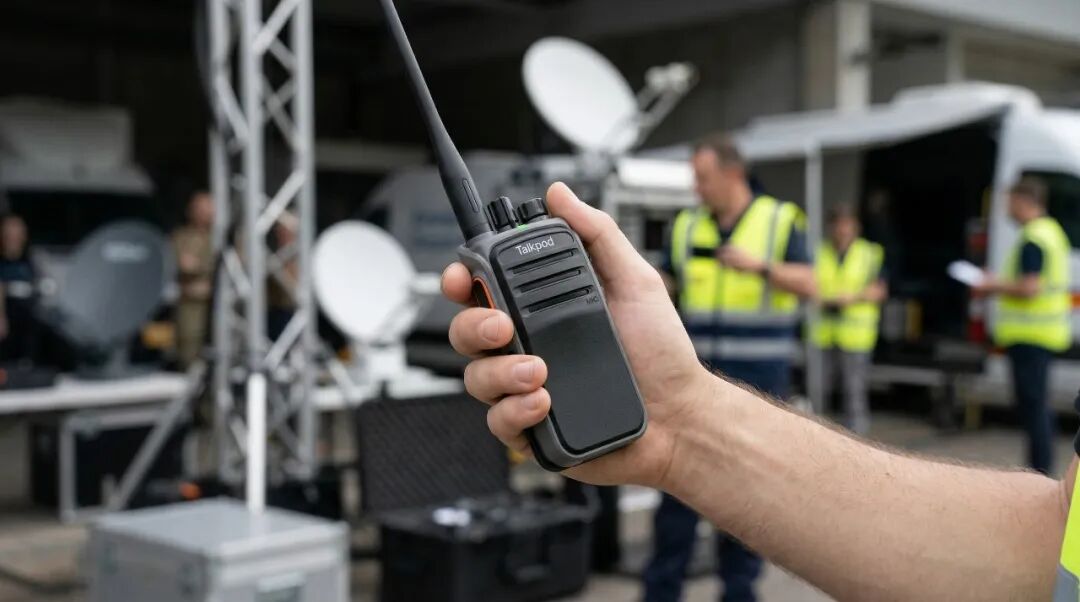
In a major emergency, the first failure is often invisible. Power goes out. Base stations are damaged. Public mobile networks become overloaded or unavailable. For frontline response teams, the question is immediate: how can command continue when the usual communications infrastructure is no longer there?
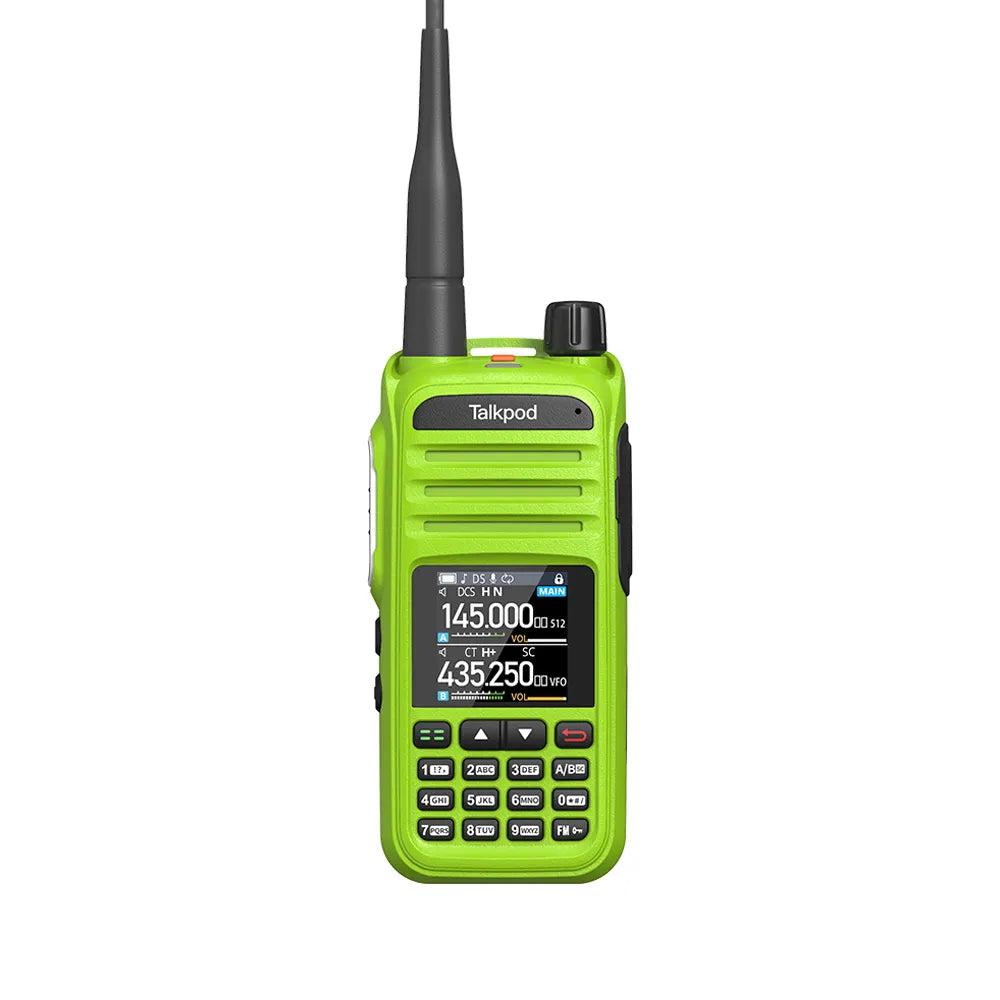
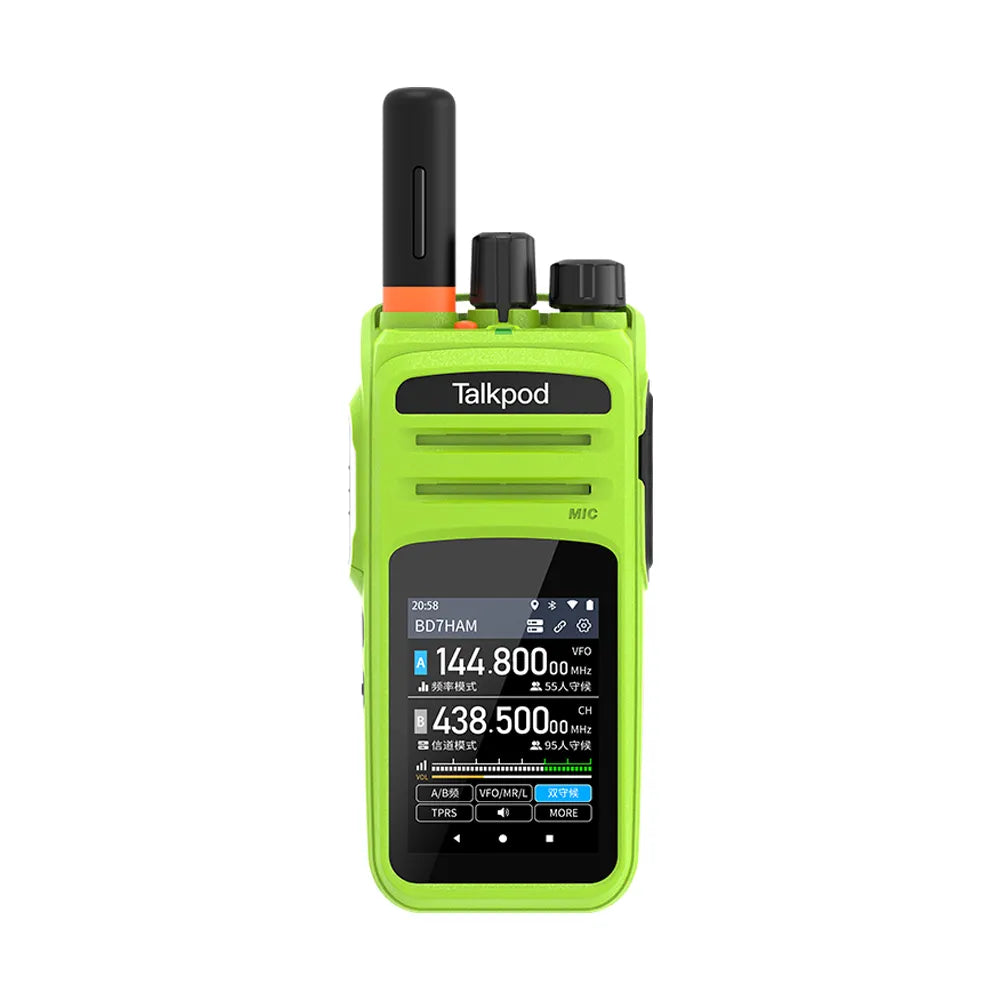
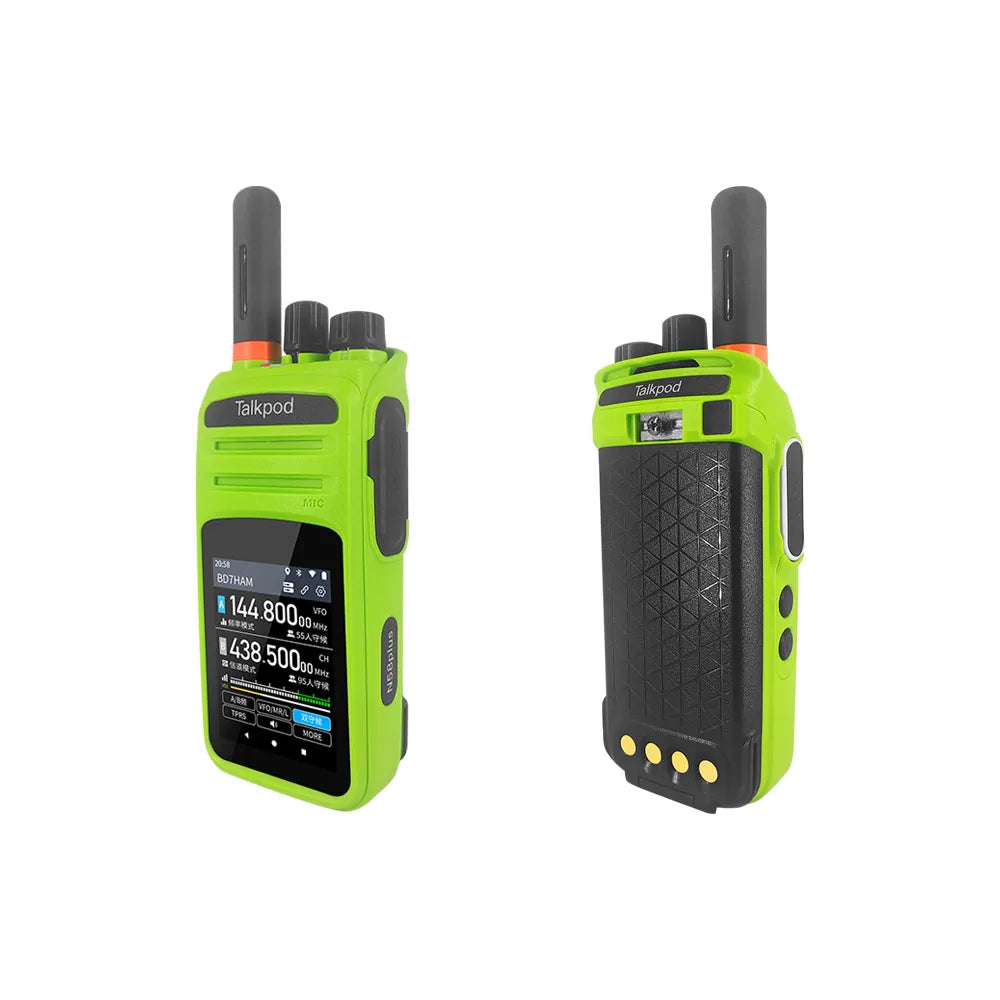
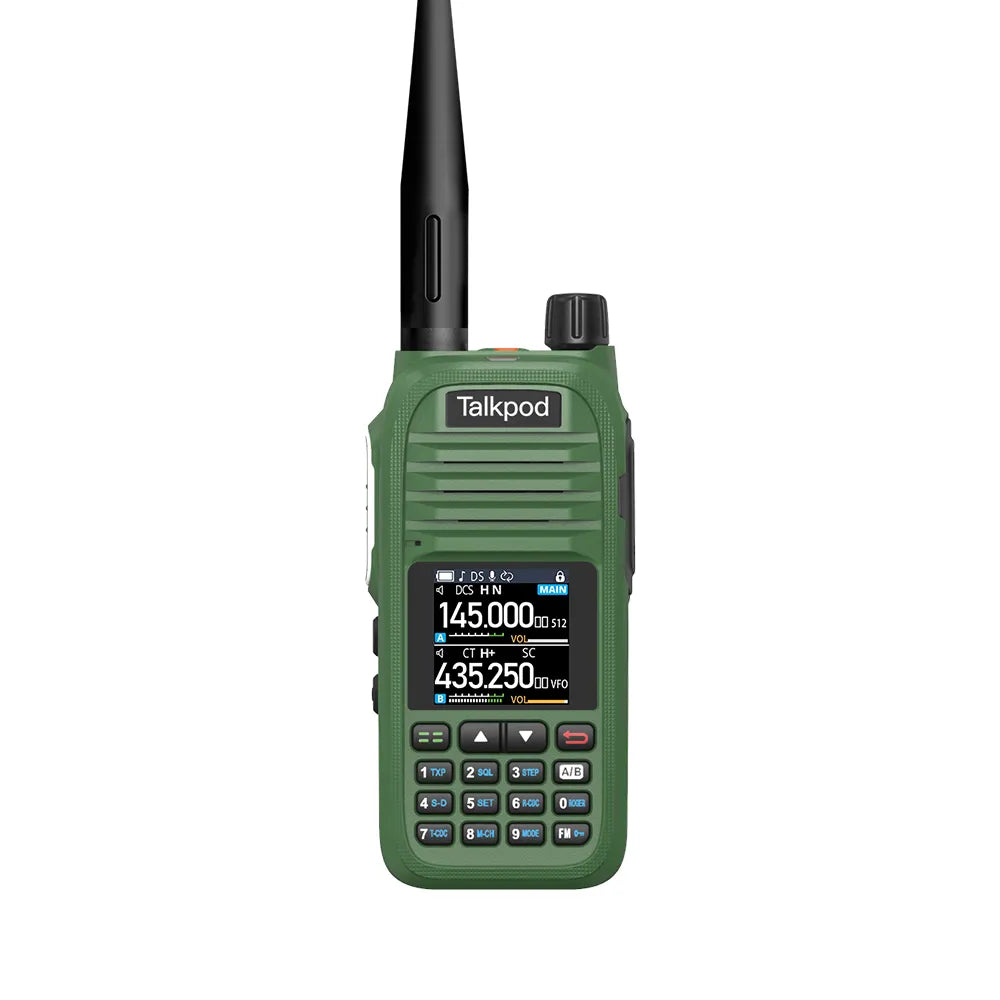
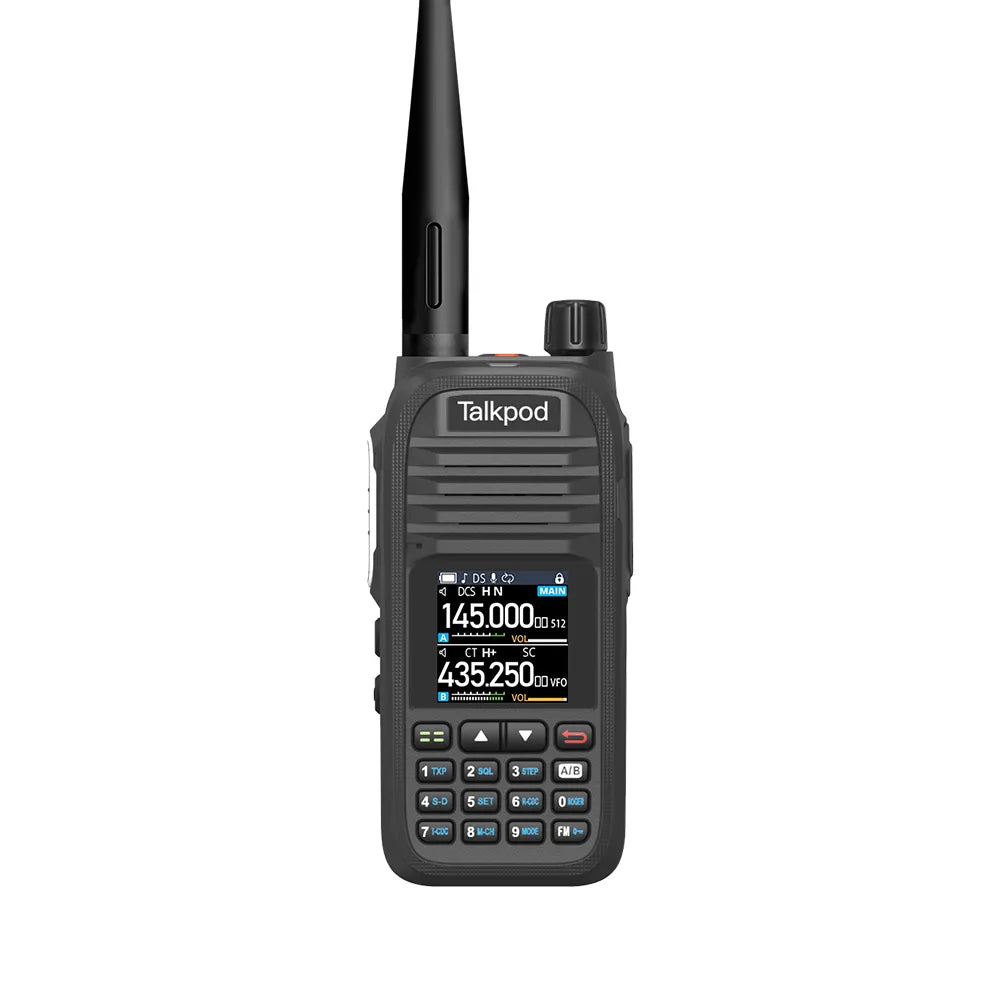
Emergency communications need a different kind of network—one that can be deployed quickly, operate independently and adapt to damaged or difficult environments. The Talkpod A50P ad hoc networking radio is designed for that purpose.
It does not rely on public base stations. Instead, it allows responders to build a field communication network using the radios themselves.
[Image]
Building a field network from the ground up
In disaster areas where infrastructure is damaged or absent, the first task is to restore communication between command and the field.
The A50P’s main advantage is its ability to form a network automatically. Once powered on, radios within range can connect with one another and create a communication link. The device supports chain, mesh and tree networking modes, with multi-hop relay to extend coverage across complex terrain.
Emergency teams can place radios at key points such as command posts, observation positions, rescue units and supply areas. Together, these devices can form an independent network that helps carry voice instructions through valleys, urban blocks, damaged buildings or debris-filled sites.
The result is not a replacement for every communication system. It is a practical backbone for moments when conventional networks cannot be trusted.
Flexible communication for complex command
Emergency response rarely involves one team doing one task. Traffic control, medical rescue, engineering repair, logistics support and frontline search teams may all be operating at the same time.
The A50P supports multiple channels, group calls and individual calls. Commanders can assign different group IDs to different functional units, allowing each team to communicate within its own group while remaining part of the wider operation. This helps reduce channel congestion and makes dispatch more orderly.
Individual call functions also allow a commander to speak directly with a specific unit or person. This is useful for urgent updates, sensitive reports or precise instructions that should not be broadcast to every team.
The radio also supports encrypted communication, helping protect command instructions, resource deployment information and other operational details from unauthorised listening or interference.
[Image]
Rugged enough for emergency conditions
Emergency communication equipment must work in places where ordinary devices may fail. Heavy rain, dust, humidity, impact, vibration and extreme temperatures can all appear in the same operation.
The A50P is built to IP67 dust- and water-resistant standards and uses a sealed structure designed for harsh field environments. It is made to withstand demanding conditions, including drops, vibration, high and low temperatures and humidity.
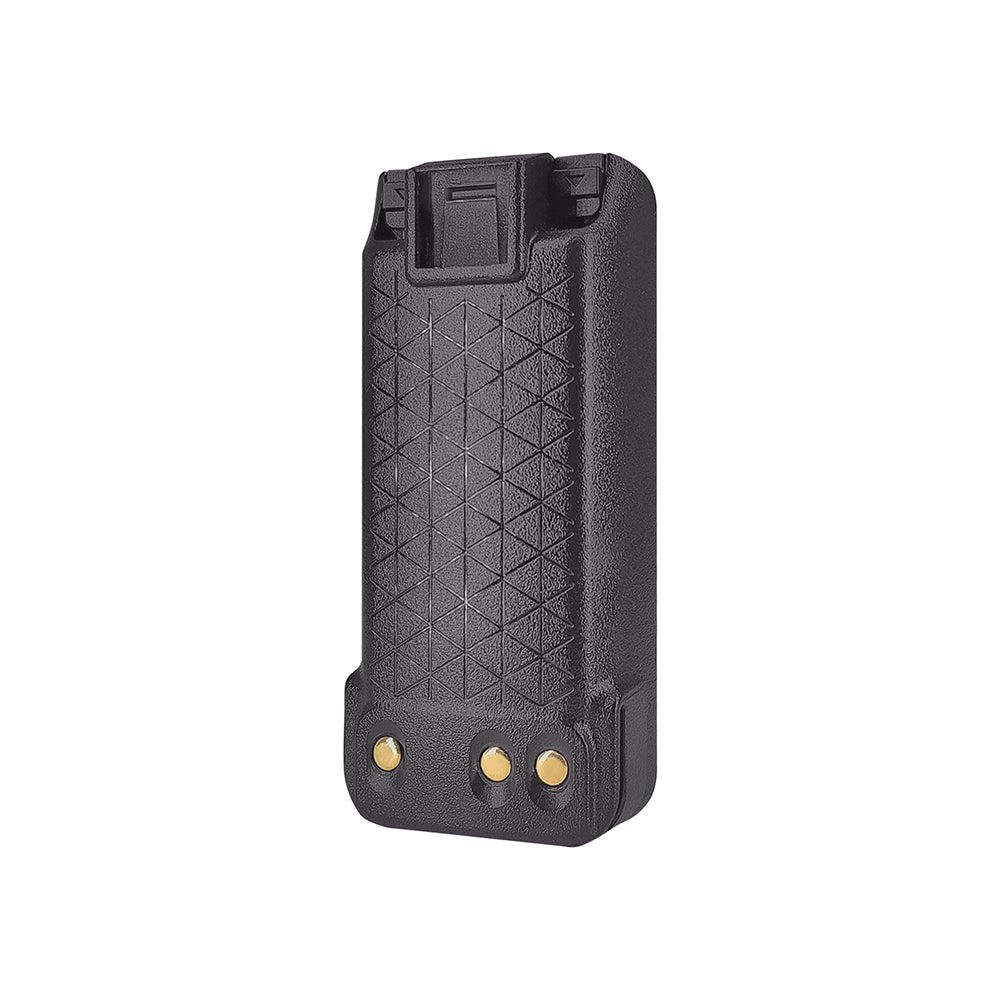
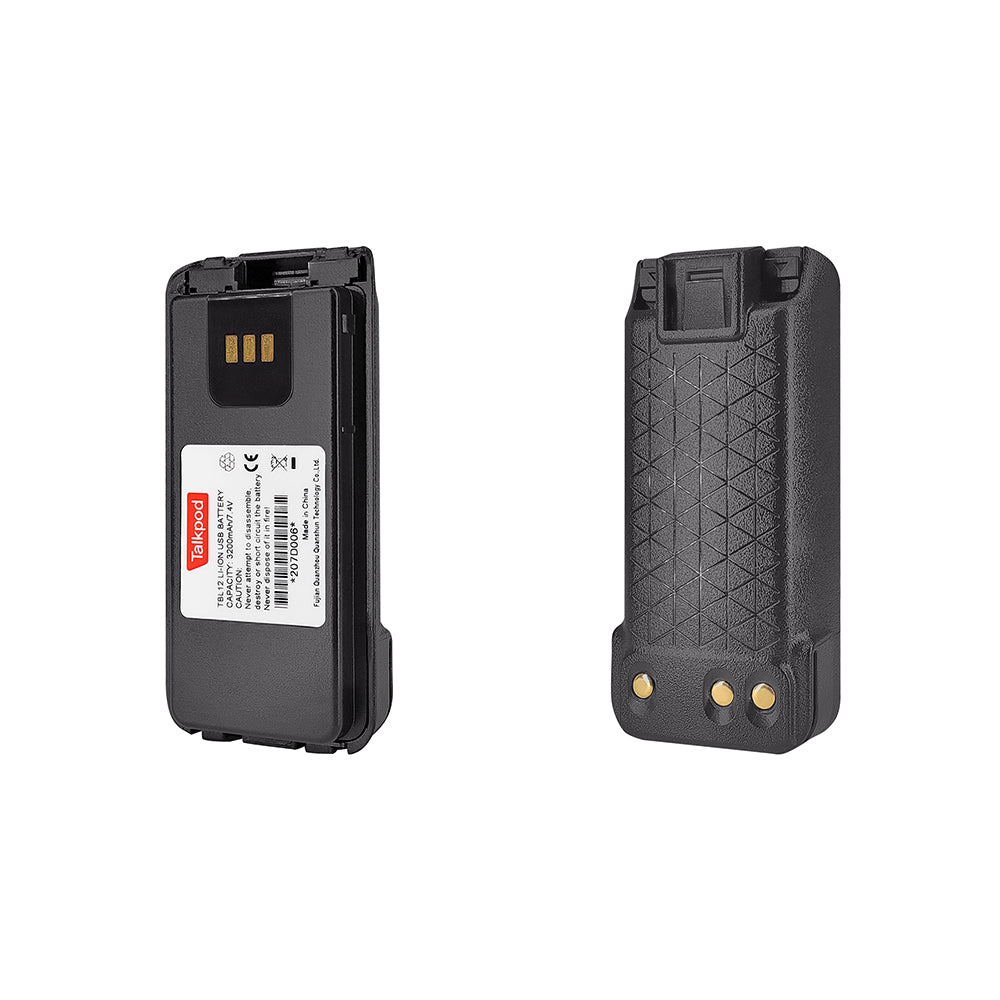
Long battery life is equally important. With a high-capacity battery, the A50P is designed to support extended operations when charging may be difficult or unavailable. Its compact ergonomic design also makes it easier for emergency personnel to carry and operate for long periods.
Keeping command alive when systems fail
In emergency response, time is the scarce resource. Communication is the system that turns information into action.
The Talkpod A50P combines automatic ad hoc networking, multi-hop relay, flexible group management, encrypted voice, rugged protection and long operating time in a portable radio designed for field deployment. For emergency-management agencies, fire-rescue teams, power-repair crews, transport responders and other frontline units, it offers a practical way to maintain command and coordination when public networks are damaged or overloaded.
A radio is often judged by how well it carries a voice. In a crisis, its real value is larger than that. It keeps the chain of command intact, helps teams act together and supports the information lifeline on which emergency response depends.

Leave a comment
All comments are moderated before being published.
This site is protected by hCaptcha and the hCaptcha Privacy Policy and Terms of Service apply.