
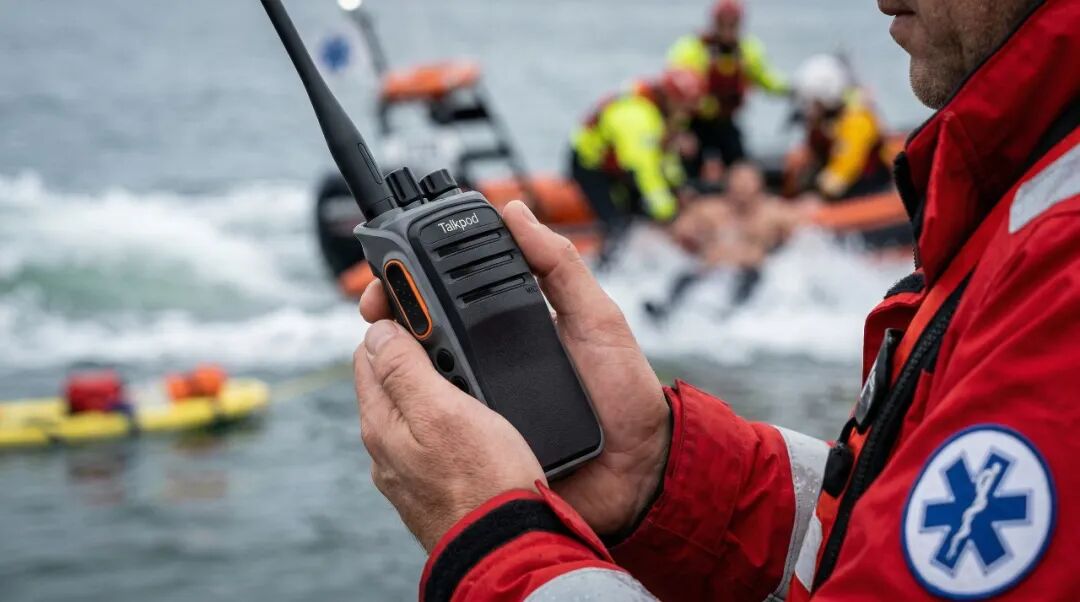
In water rescue, communication is often tested by the environment before it is tested by the emergency itself. Weather changes quickly. Search areas are wide. Channels may be complex. Public mobile networks can be weak or unavailable. For rescue teams working across boats, command vessels and shoreline units, clear and continuous communication can decide how fast a search moves—and how safely it is carried out.
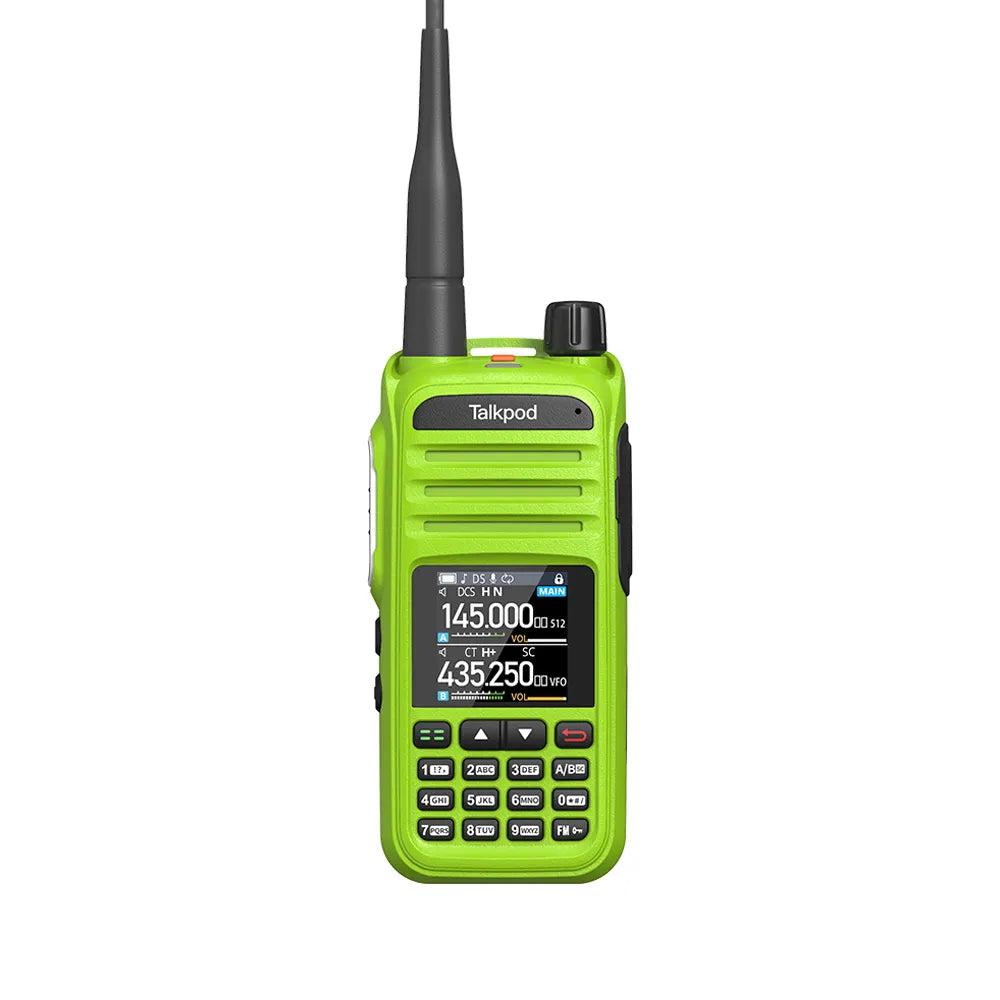
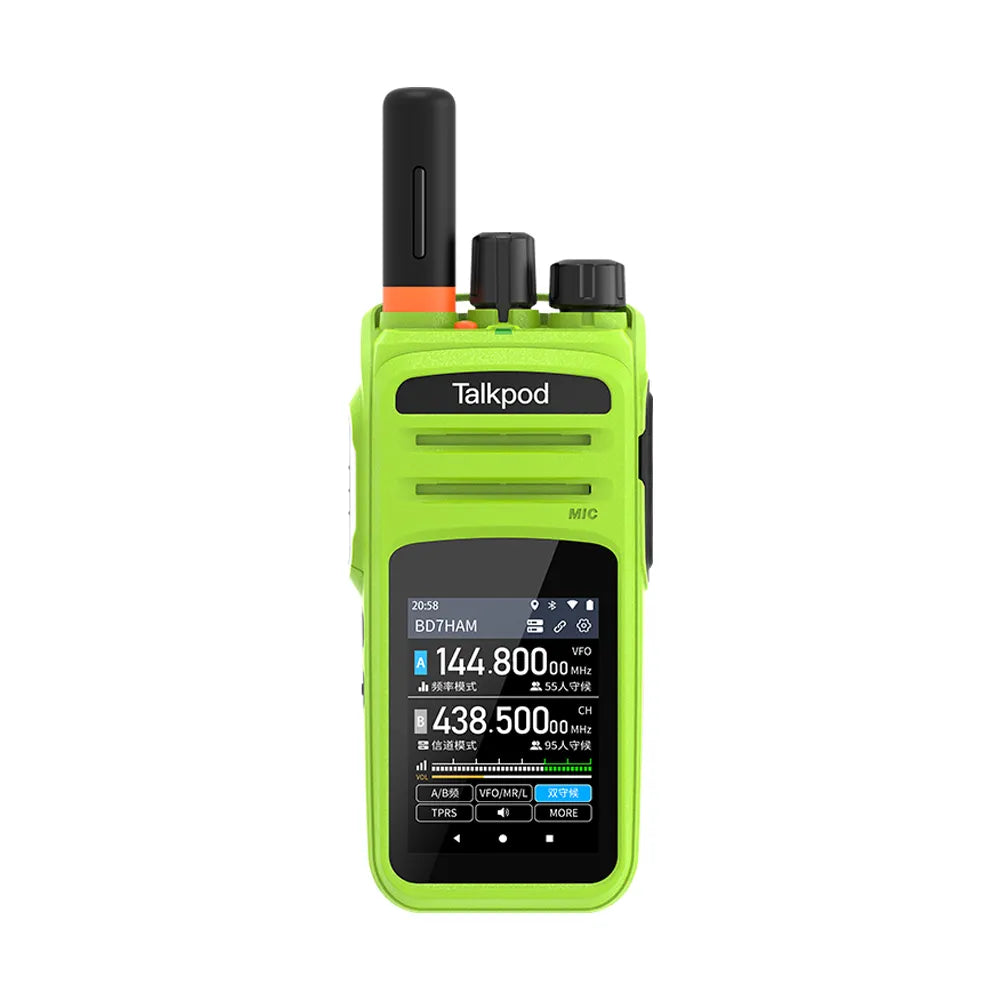
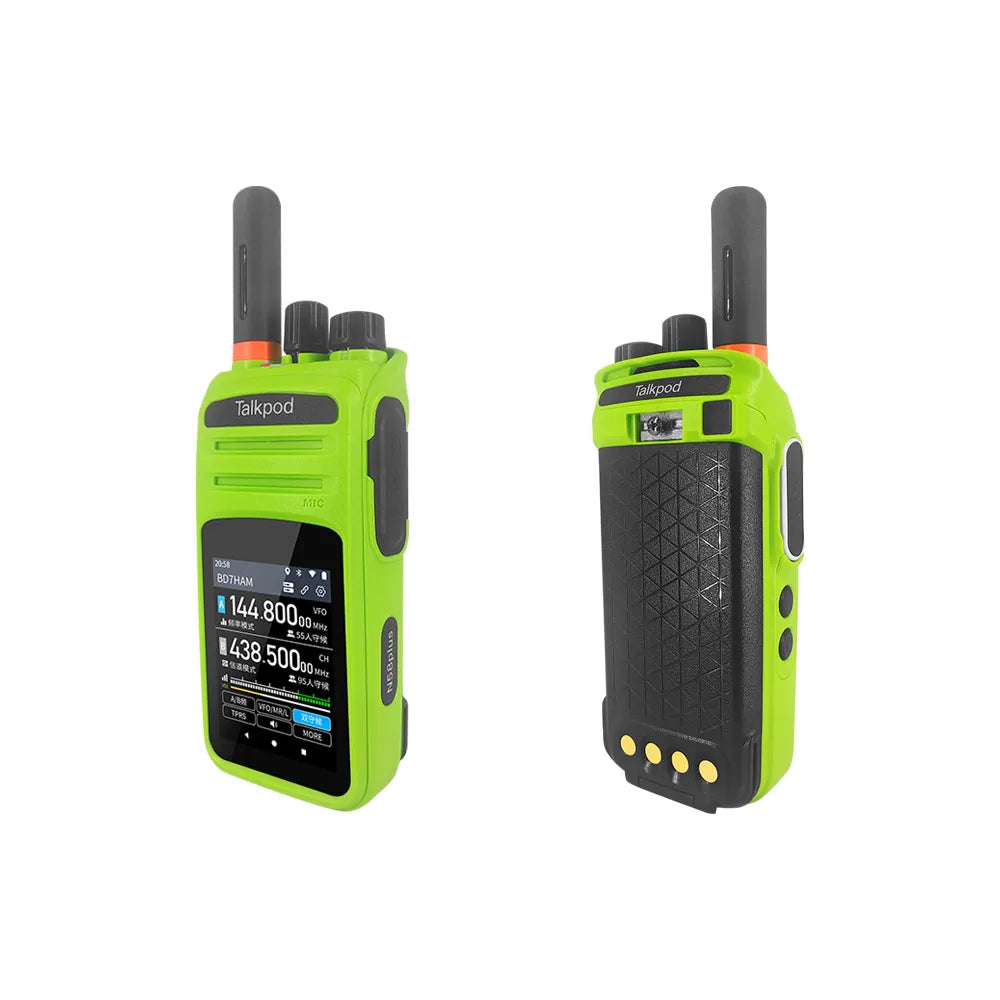
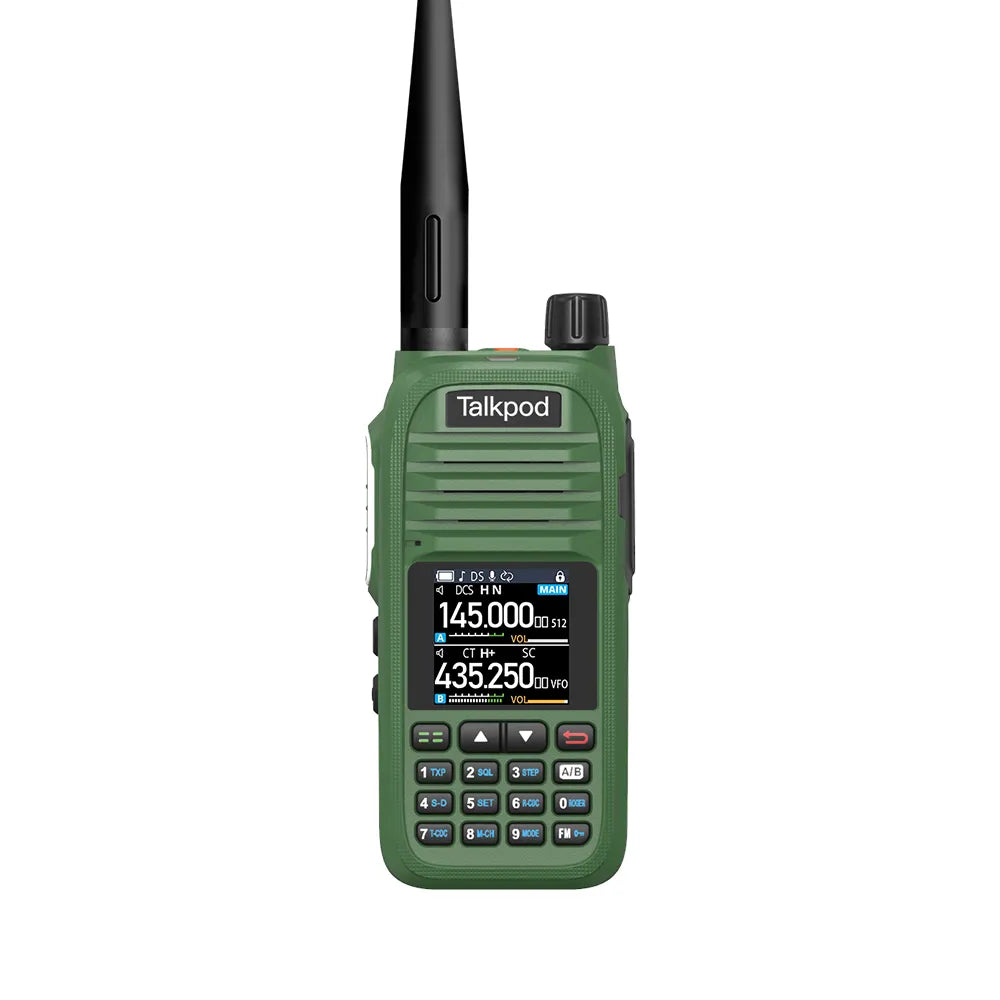
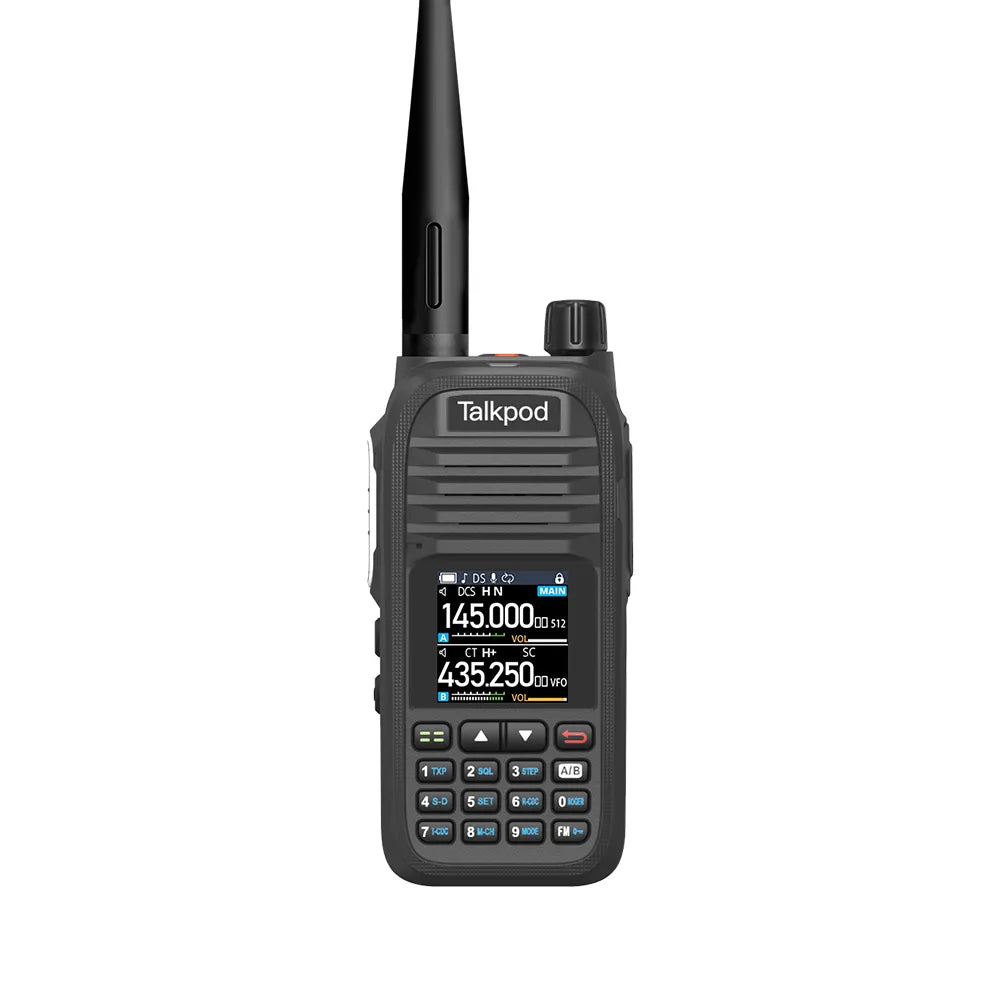
The Talkpod A50P ad hoc networking radio is designed for such conditions. It does not rely on fixed infrastructure. Instead, it can help rescue units build a field communication network of their own, making it a practical tool for maritime rescue, emergency response and water-based search operations.
Building a network beyond the shore
Large bodies of water create natural communication blind spots. Islands, vessel structures, distance and changing weather can all weaken ordinary radio links.
The A50P’s main advantage is its ability to form a network automatically. Using wireless interconnection technology, it supports chain, mesh and tree networking modes. Once powered on, radios carried by rescue boats, command vessels and field teams can connect with one another and support multi-hop relay.
This helps extend communication beyond the limits of a single radio link, allowing command teams and frontline rescue units to stay connected across wider and more complex water areas, depending on deployment conditions.
Clearer and safer command communication
Water rescue is noisy. Engines, wind, rain and waves can make voice instructions difficult to hear. At the same time, rescue communication may involve sensitive information such as coordinates, personnel status and task assignments.
The A50P uses a digital voice protocol with digital noise reduction, helping reduce background noise and improve speech clarity. Even on fast-moving rescue boats or in poor weather, instructions can be delivered more clearly.
The radio also supports encrypted communication, helping protect operational information from unauthorised listening or interference. For rescue commanders, this means instructions can be sent with greater confidence and precision.
Built for wet and demanding conditions
Water rescue equipment must survive more than occasional rough handling. It may face heavy rain, wave splashes, high humidity, vibration, impact and long operating hours.
The A50P is built to IP67 dust- and water-resistant standards and uses a rugged structure designed for harsh field use. It is made to withstand demanding rescue environments, including rain, splashing water and the bumps of boat operations.
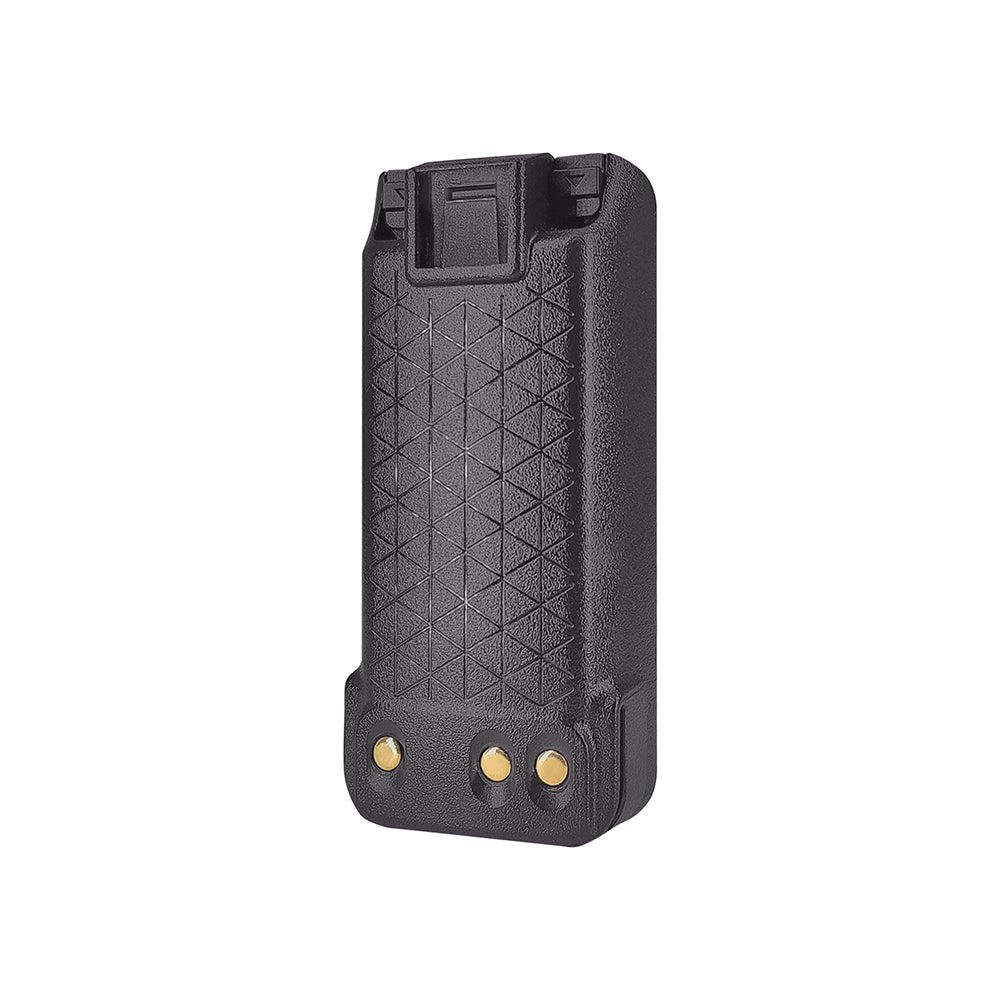
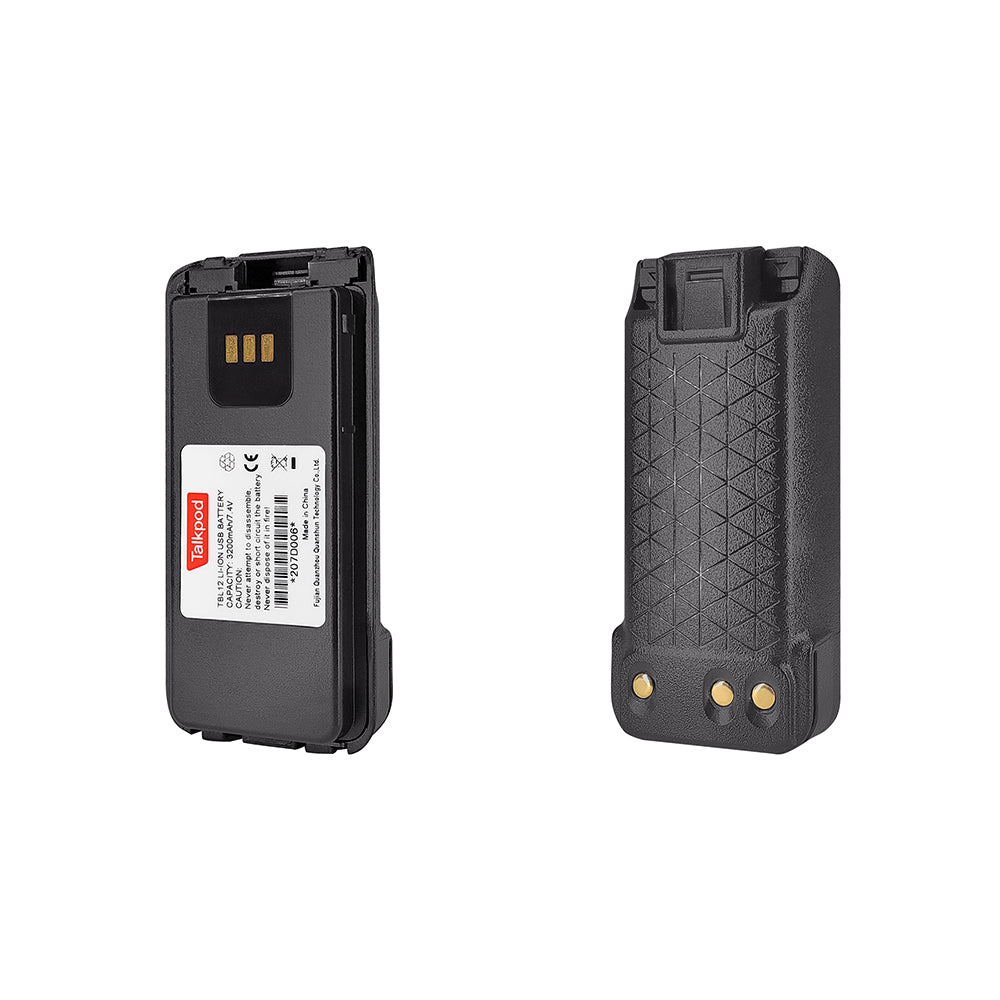
Its high-capacity battery supports long standby and extended working time, helping teams maintain communication during wide-area search missions where charging opportunities may be limited.
Flexible grouping for multi-team rescue
Water rescue often involves several units working at once: surface search teams, diving teams, medical evacuation groups, command boats and shoreline support. A single open channel can quickly become crowded.
The A50P supports multiple channels, individual calls and group calls. Through programming software, teams can assign different group IDs to different rescue units, allowing commanders to manage separate teams without unnecessary interference.
Individual call functions also allow direct point-to-point communication with a specific vessel or responder, which is useful for urgent instructions, location updates or situation reports.
Keeping the lifeline open
In water rescue, time is measured in minutes, and sometimes in seconds. A reliable communication network helps teams search faster, coordinate better and reduce risk to both rescuers and those in danger.
The Talkpod A50P combines automatic ad hoc networking, multi-hop relay, digital noise reduction, encrypted voice, rugged protection and flexible dispatch functions in a portable radio built for field operations. For maritime rescue teams, coast guard units, emergency responders and other water-based rescue forces, it offers a practical way to overcome distance, weather and weak public-network coverage.
In modern emergency-response systems, such equipment is more than a radio. It is part of the communications backbone that keeps command visible, teams connected and rescue operations moving when every minute matters.

Leave a comment
All comments are moderated before being published.
This site is protected by hCaptcha and the hCaptcha Privacy Policy and Terms of Service apply.