
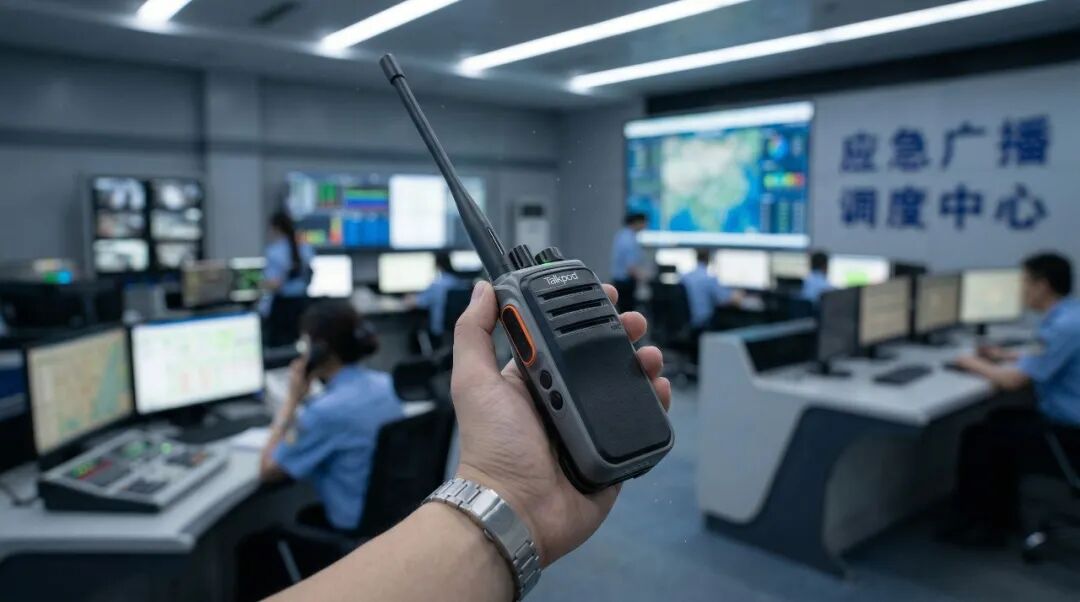
In a large natural disaster, a public emergency or a major event, command depends on communication. Instructions must move quickly. Resources must be directed accurately. People must be warned, guided and, when necessary, evacuated.
Yet the communications systems that work in normal times may fail in abnormal ones. Power can be cut. Base stations can be damaged. Public mobile networks can become congested or unavailable. At the same time, a single broadcast channel is rarely enough for modern emergency response, where different teams, zones and tasks require different instructions.
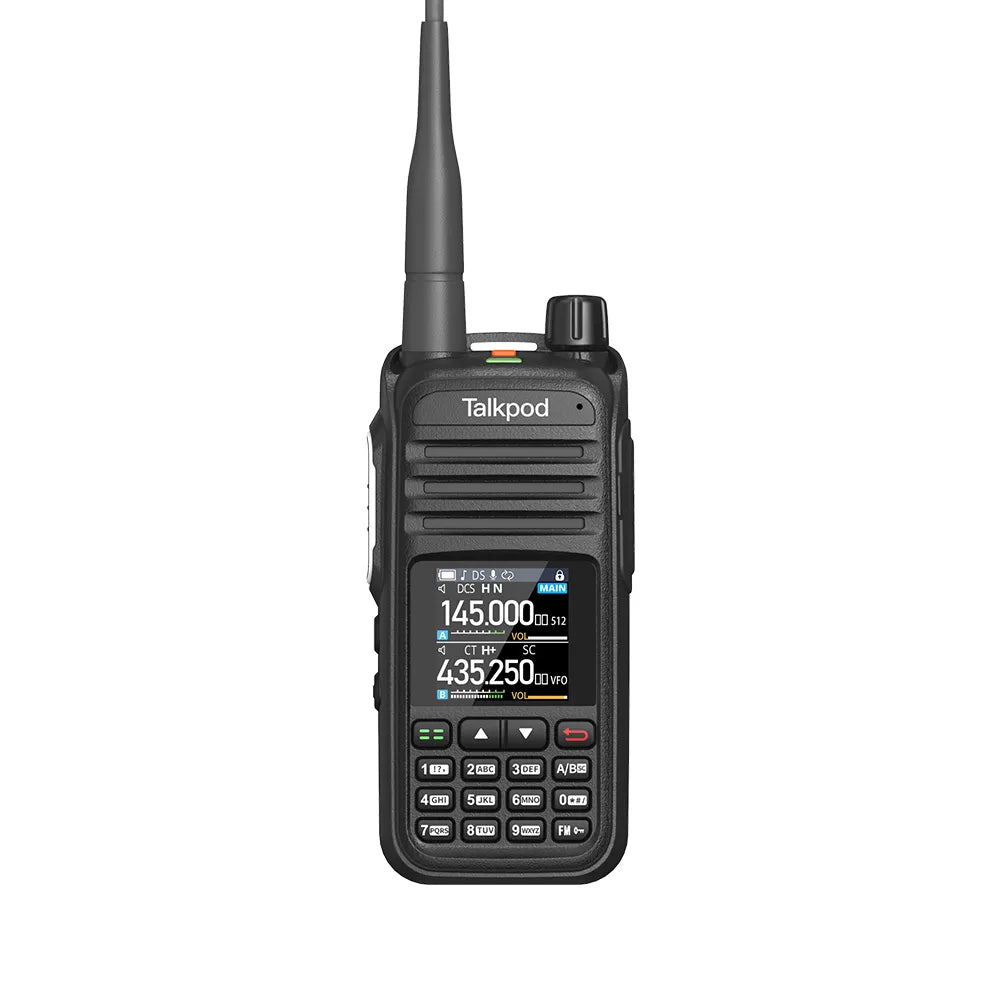
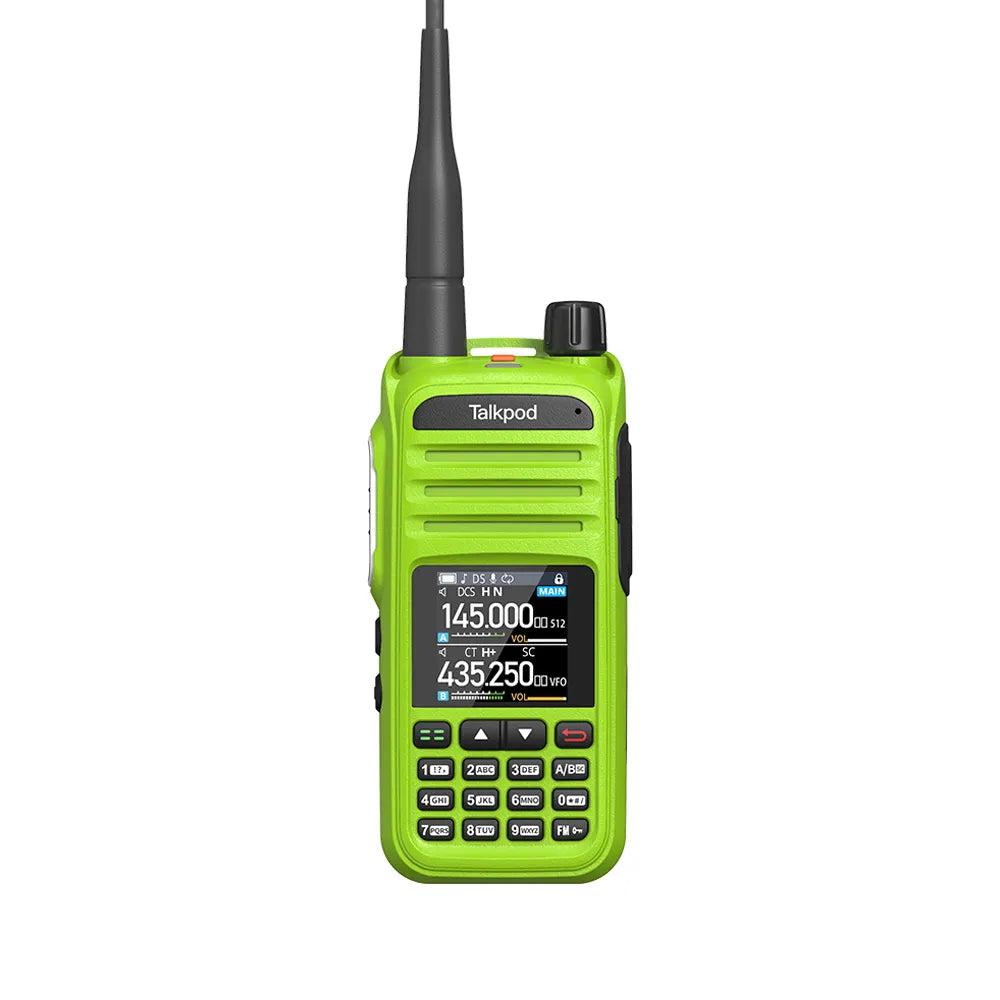
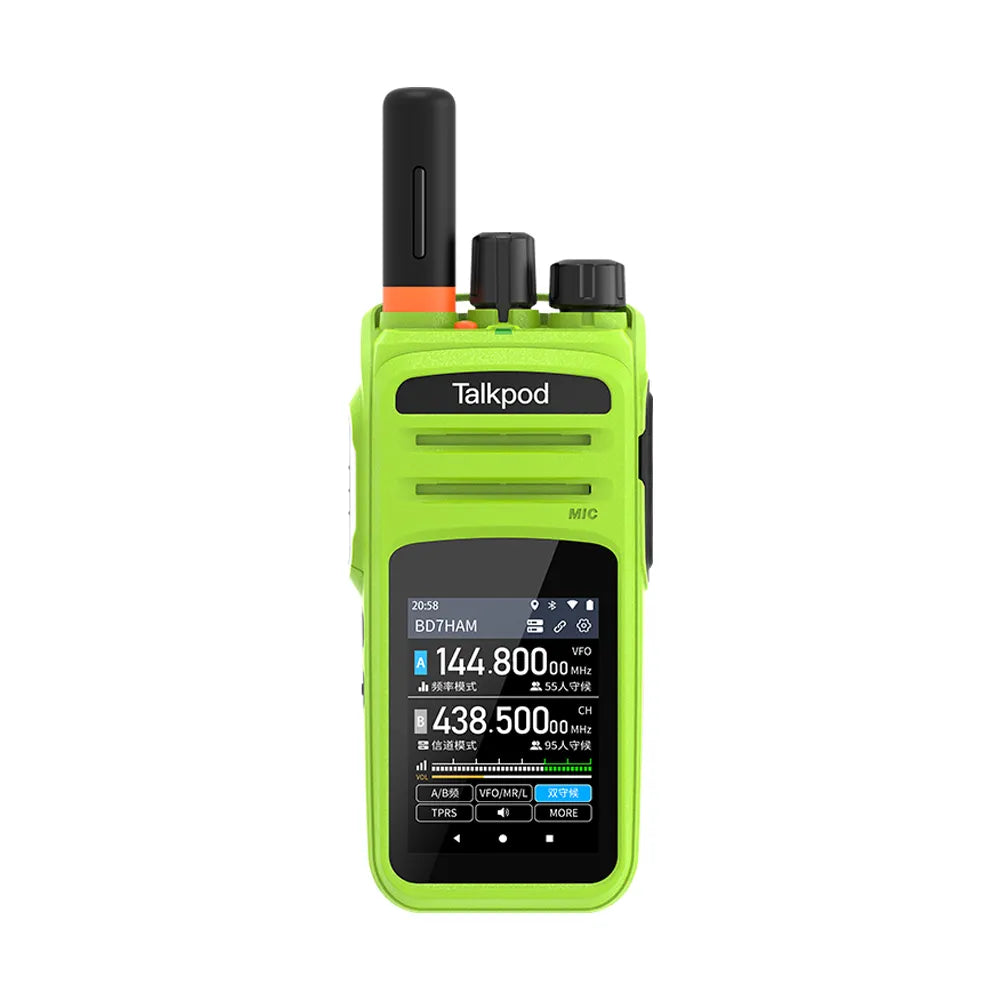
The Talkpod A50P ad hoc networking radio is designed for this gap. It allows emergency teams to build a communication network that does not depend on fixed infrastructure, while supporting more flexible command and dispatch.
Building a command network without base stations
Emergency sites are rarely simple. They may involve damaged infrastructure, blocked signals, broken power supplies or difficult terrain. In such conditions, the first task is to restore a basic command link.
The A50P uses wireless interconnection technology to support automatic networking once powered on. It can work in chain, mesh and tree networking modes, allowing multiple radios to connect and relay voice through the field network.
In a disaster area, devices can be placed at key points such as a command centre, forward command post, search-and-rescue area, medical station or temporary shelter. Together, they help create an independent communication network that can carry instructions across a wider and more complex operating area.
This does not remove every communications challenge. But it gives responders a practical network backbone when public infrastructure cannot be relied upon.
Zoned broadcast and direct calls for layered command
Emergency dispatch is not just about speaking to everyone at once. A search team, a medical transport team, a logistics unit and a crowd-guidance team may all need different instructions at the same time.
The A50P supports multiple channels, group calls and individual calls. Commanders can assign different group IDs to different functional units, allowing instructions to be broadcast by zone, task or team. This helps reduce channel congestion and makes command more orderly.
Individual call functions also allow direct communication with a specific person or position. This is useful for urgent reports, confirmation of key instructions or one-to-one task assignment. In practice, the radio supports both broad broadcast and precise point-to-point communication.
Secure and clearer voice for emergency instructions
Emergency information can be sensitive. It may involve personnel deployment, evacuation routes, rescue priorities or resource allocation. Communication must therefore be not only clear, but also protected.
The A50P uses a digital voice protocol and supports encrypted communication, helping protect dispatch instructions within the field network. This reduces the risk of unauthorised listening and helps maintain order in the command system.
Its digital noise-reduction function also helps filter common background noise such as wind, rain, machinery and crowds. In difficult environments, clearer voice communication can prevent delays caused by repeated or misunderstood instructions.
Rugged design for all-weather deployment
Emergency operations often last for hours or days. Equipment may face rain, dust, splashing water, vibration, impact, heat, cold and humidity.
The A50P is built to IP67 dust- and water-resistant standards and uses a rugged sealed structure designed for demanding field conditions. It is made to support use in harsh rescue and security environments, where reliability matters more than convenience.
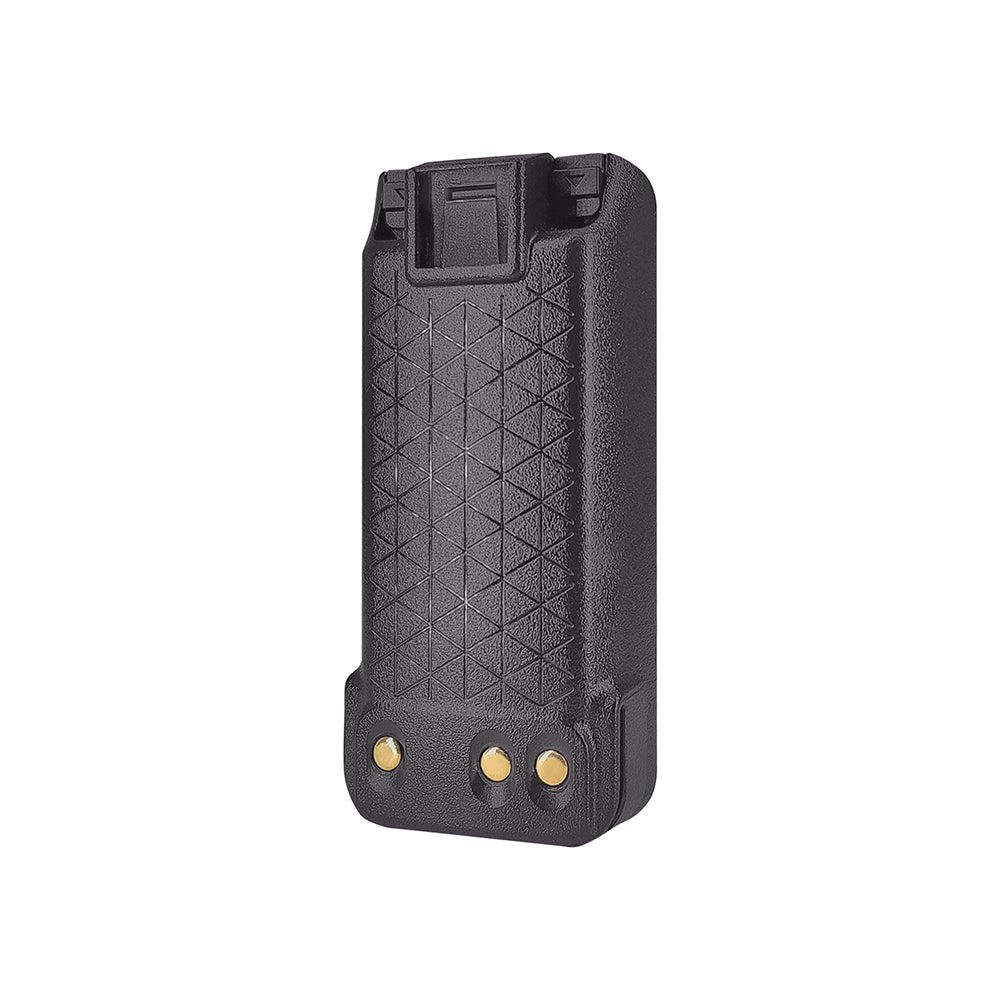
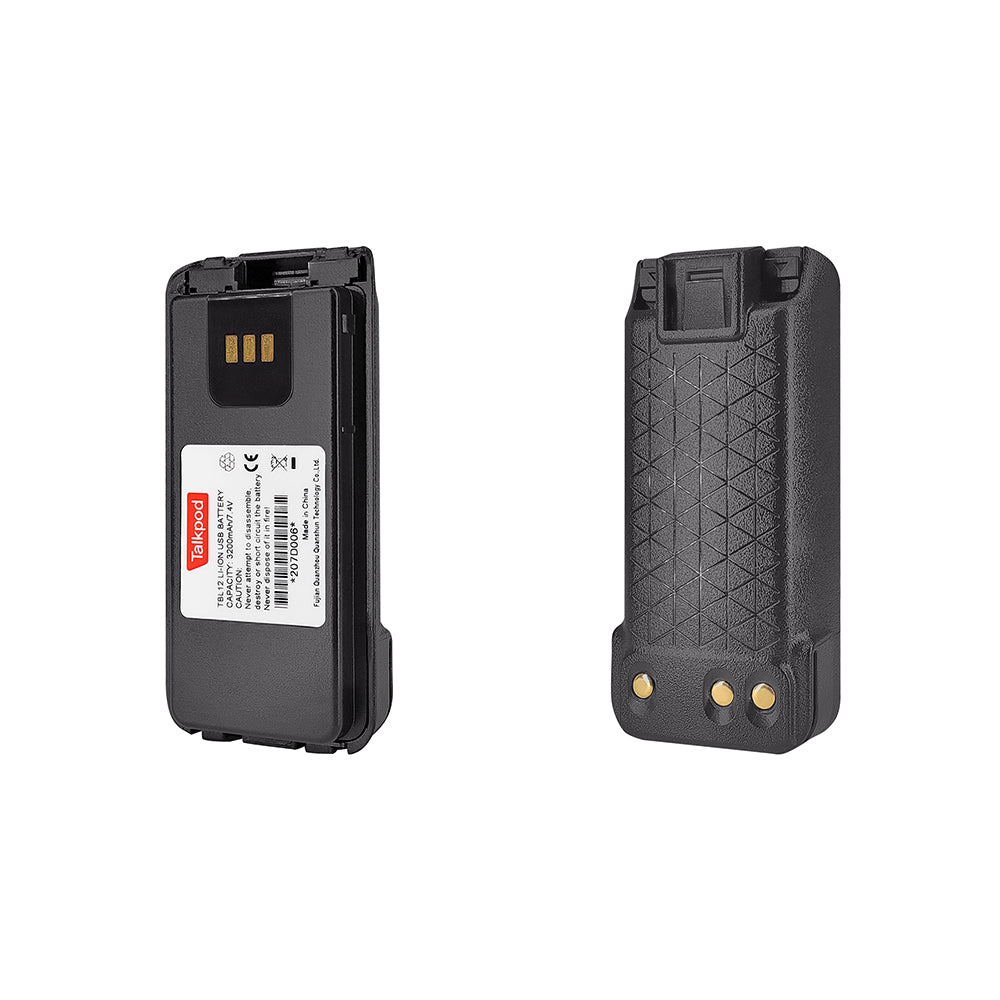
Long battery life is equally important. With a high-capacity battery, the A50P is designed to support extended dispatch work when charging may be difficult. Its lightweight ergonomic body also makes it easier for command staff and field personnel to carry and operate over long periods.
Supporting modern emergency management
In emergency response, time is the critical resource. Communication is the system that turns information into action.
The Talkpod A50P combines automatic ad hoc networking, multi-hop relay, zoned group calls, individual calls, encrypted voice, digital noise reduction, rugged protection and long operating time in a portable radio built for field command.
For emergency-management offices, fire-rescue teams, armed police units, civil-defence departments, event-security teams and other frontline organisations, it offers a practical way to build a mobile dispatch network when ordinary infrastructure is damaged, overloaded or unavailable.
A radio is often seen as a tool for carrying voice. In an emergency broadcast and dispatch system, it becomes something more: a link between command and execution, between information and movement, and between uncertainty and organised response.

Leave a comment
All comments are moderated before being published.
This site is protected by hCaptcha and the hCaptcha Privacy Policy and Terms of Service apply.