
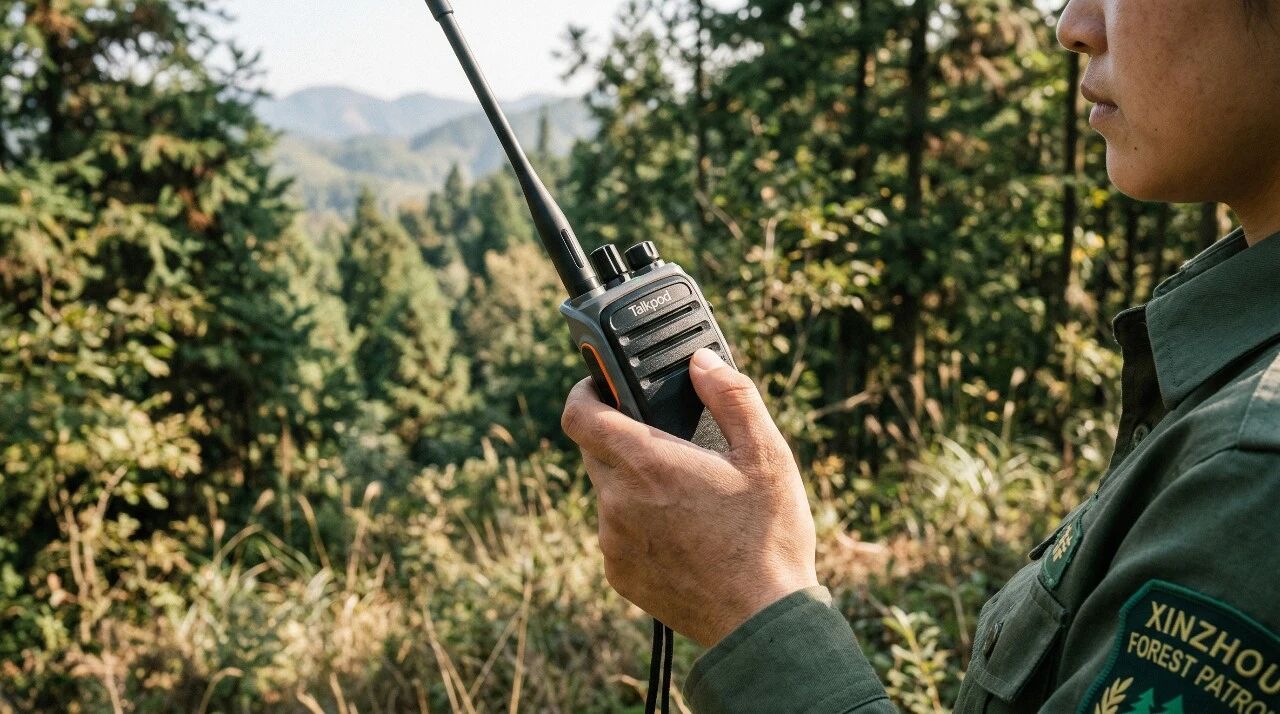
Deep in a forest, silence can be dangerous.
Rangers often work across mountain paths, observation towers, fire checkpoints and remote areas where public mobile coverage is weak or unavailable. Dense vegetation, steep terrain and long distances can make conventional communication unreliable. A patrol worker may be unable to report smoke, suspected illegal logging or a missing visitor until returning to an area with coverage.
In forest management, that delay matters. A small fire can spread. A routine patrol can become a rescue operation. A ranger working alone may suddenly need assistance.
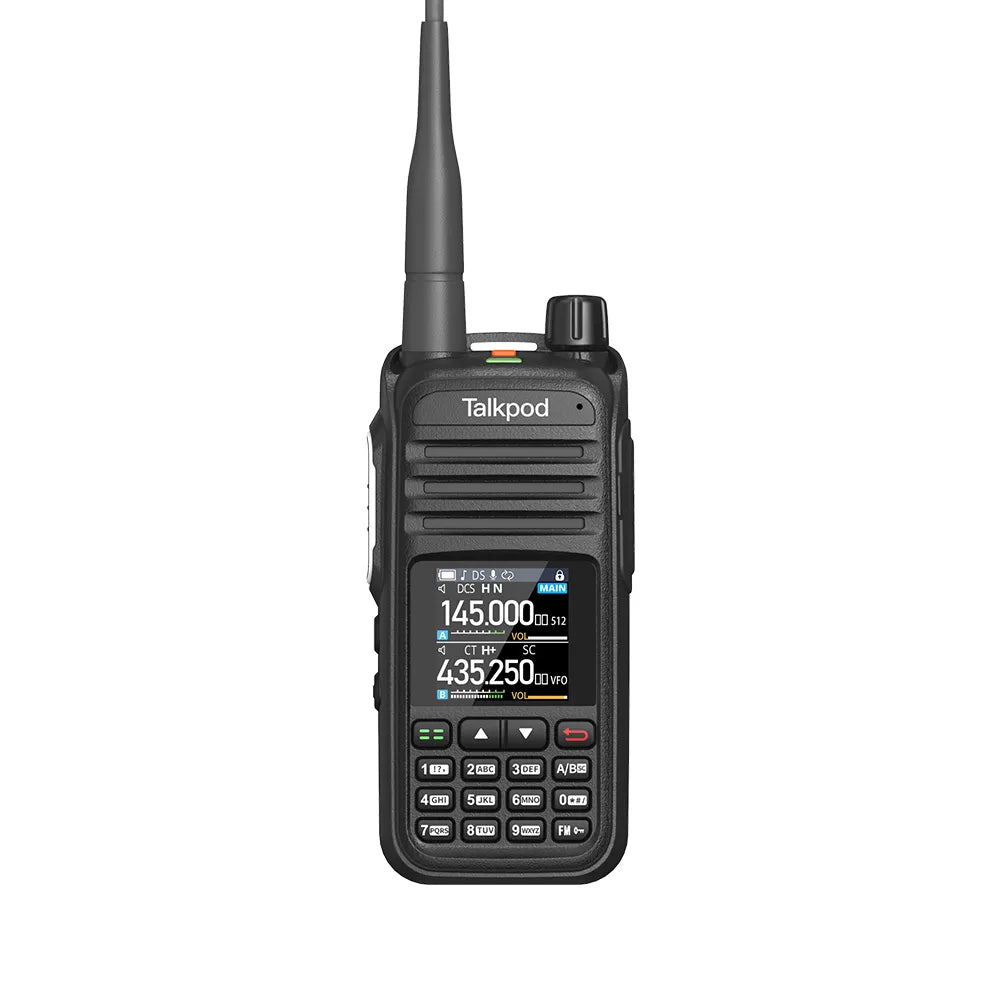
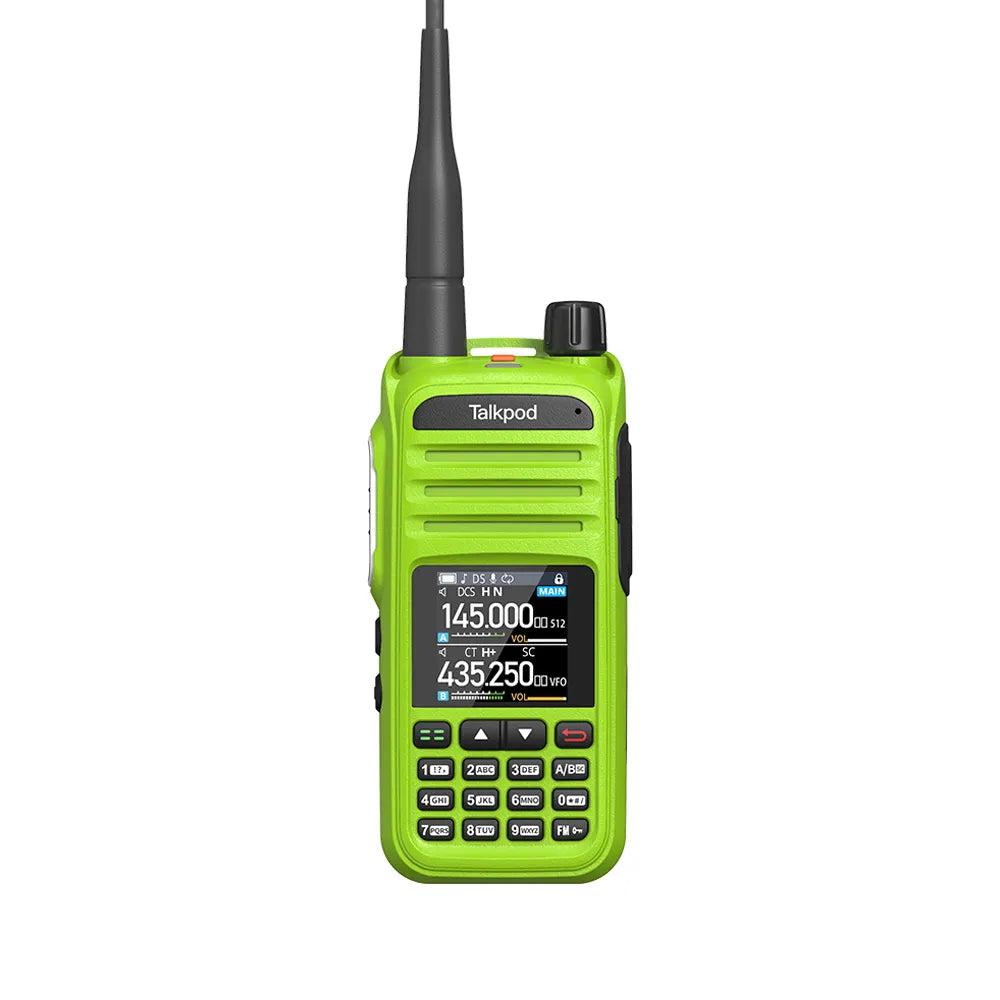
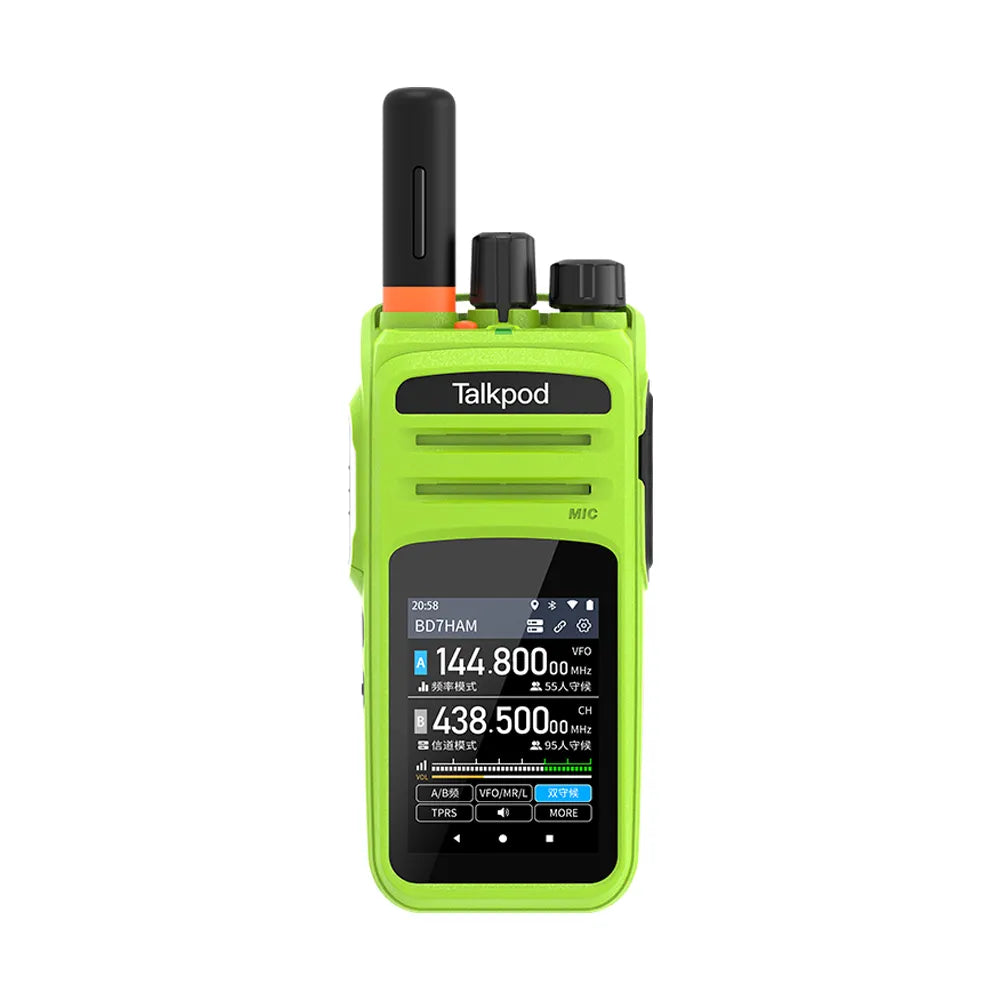
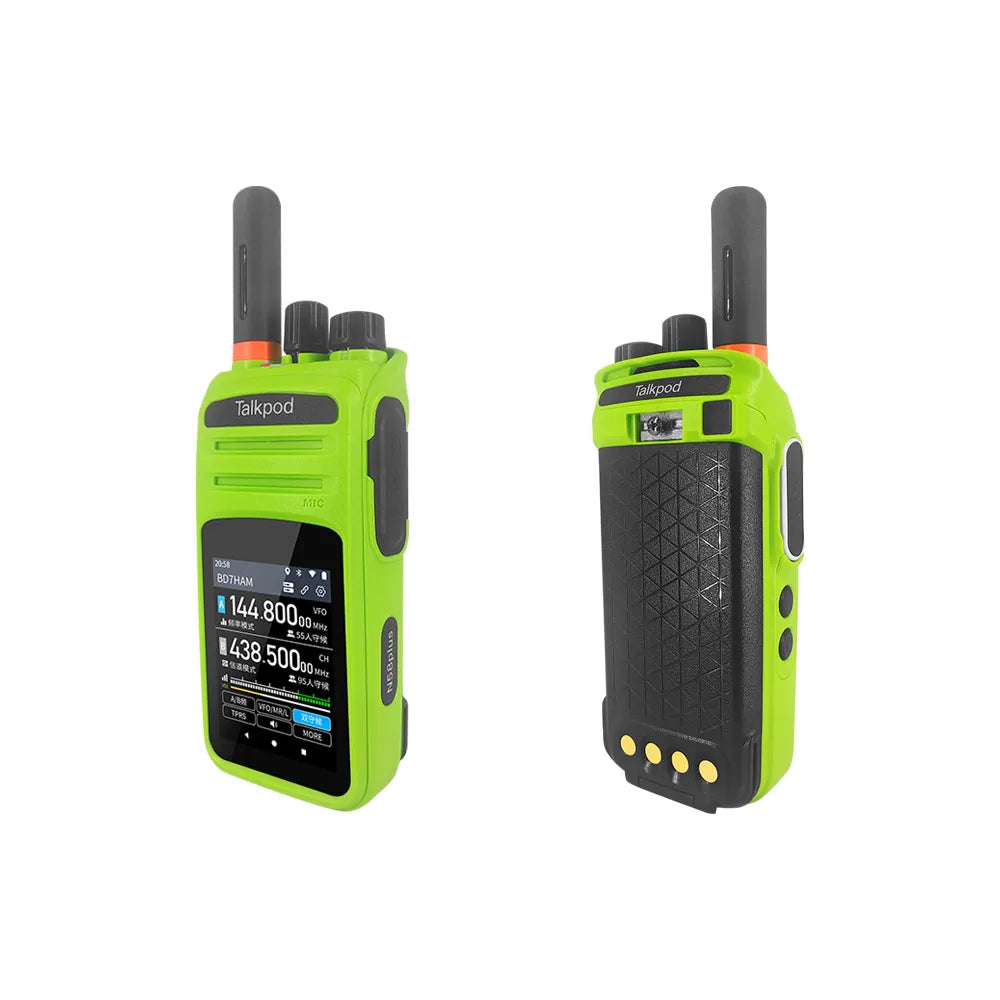
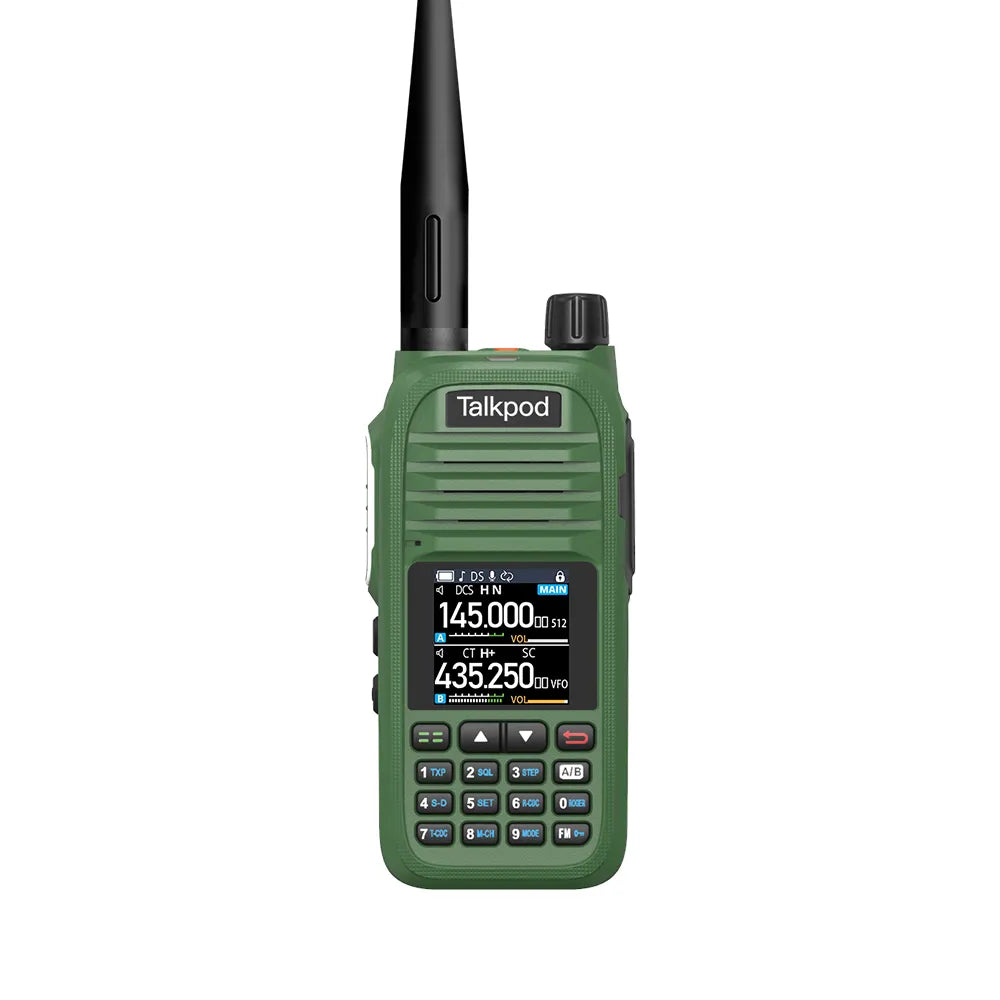
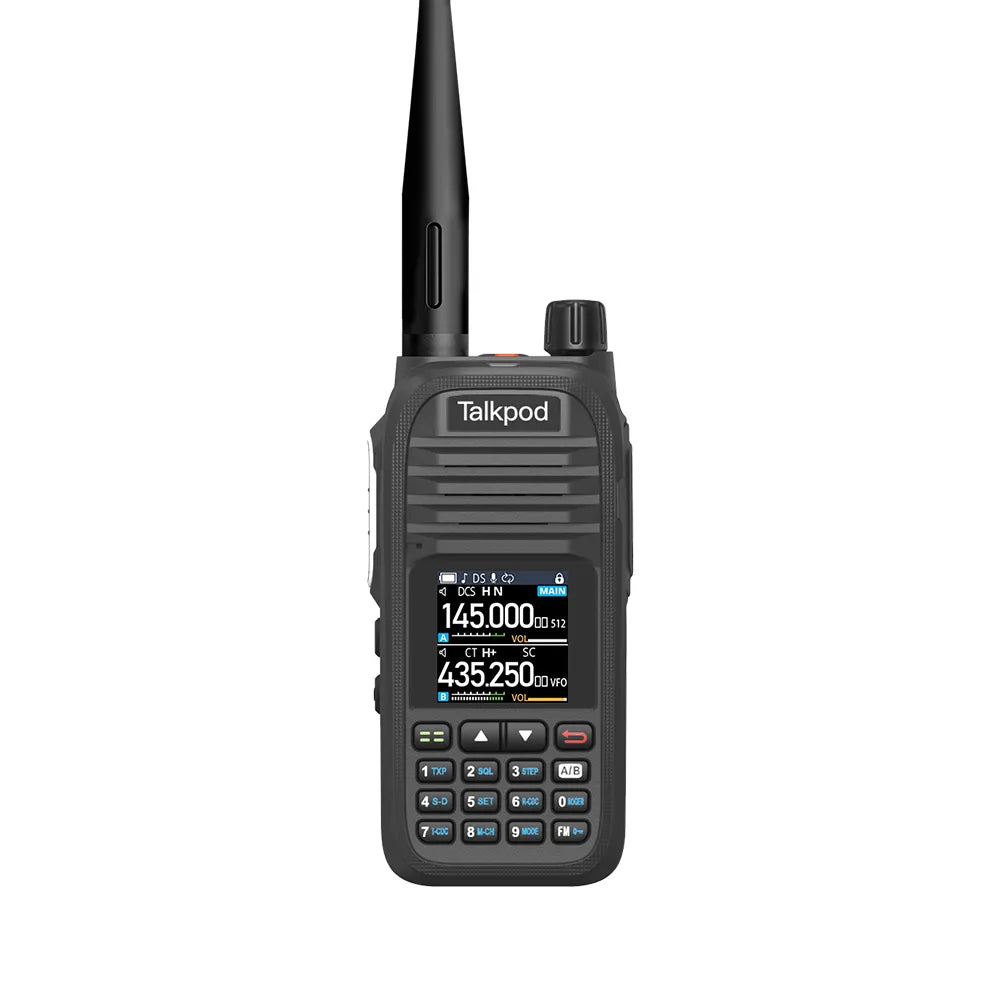
The Talkpod A50P ad hoc networking radio is designed to help forestry teams maintain communication without relying on public mobile networks or fixed base stations. By allowing radios to connect and relay voice through one another, it gives field teams a more flexible way to build communication around the terrain.
Building a network beyond public coverage
Forests do not offer a convenient communication environment. Hills, valleys and dense trees can weaken direct radio links, while remote patrol areas may be far beyond the reach of cellular infrastructure.
The A50P supports chain, mesh and tree networking modes. Once powered on, multiple radios can connect automatically and pass communication through intermediate devices. Rangers, observation posts and fire-control teams can therefore act as part of the same field network.
Coverage will still depend on terrain, distance and the placement of personnel or relay devices. But a multi-hop structure can help extend communication beyond the range of a single direct radio link and reduce isolated areas along planned patrol routes.
For forestry departments, this makes communication something that can be arranged around the forest rather than something dictated entirely by existing infrastructure.
Organising patrols by area and responsibility
Forest protection involves more than one type of team. Daily patrol officers, observation-tower staff, fire-response crews and checkpoint personnel may all be working at the same time.
The A50P supports up to 254 group-call IDs, allowing forestry managers to organise communication by patrol zone, task or level of responsibility. An eastern patrol team, western observation unit and emergency firefighting group can each operate within their own communication structure.
Routine check-ins, fire-risk warnings and deployment instructions can be sent to the relevant group without filling every radio with unnecessary traffic. When broader coordination is required, supervisors can communicate across teams.
This structure is particularly useful during high-risk fire seasons, when several patrols may be monitoring different parts of the forest at once.
Faster reporting when conditions change
A ranger may be the first person to see smoke, discover damaged fire-control equipment or encounter an injured visitor. The value of communication lies in how quickly that information reaches someone able to act.
With an independent ad hoc network in place, frontline personnel can report abnormal conditions to nearby teams and command staff without first returning to a cellular coverage area. Fire crews can be alerted sooner, patrol routes can be adjusted and support can be directed towards a ranger in difficulty.
The A50P does not replace careful route planning, emergency procedures or dedicated fire-monitoring systems. It strengthens the communication layer that connects them.
Built for work in the forest
Forestry equipment must cope with rain, dust, cold, heat, branches and accidental impacts. It must also remain comfortable enough to carry alongside water, tools and other patrol gear.
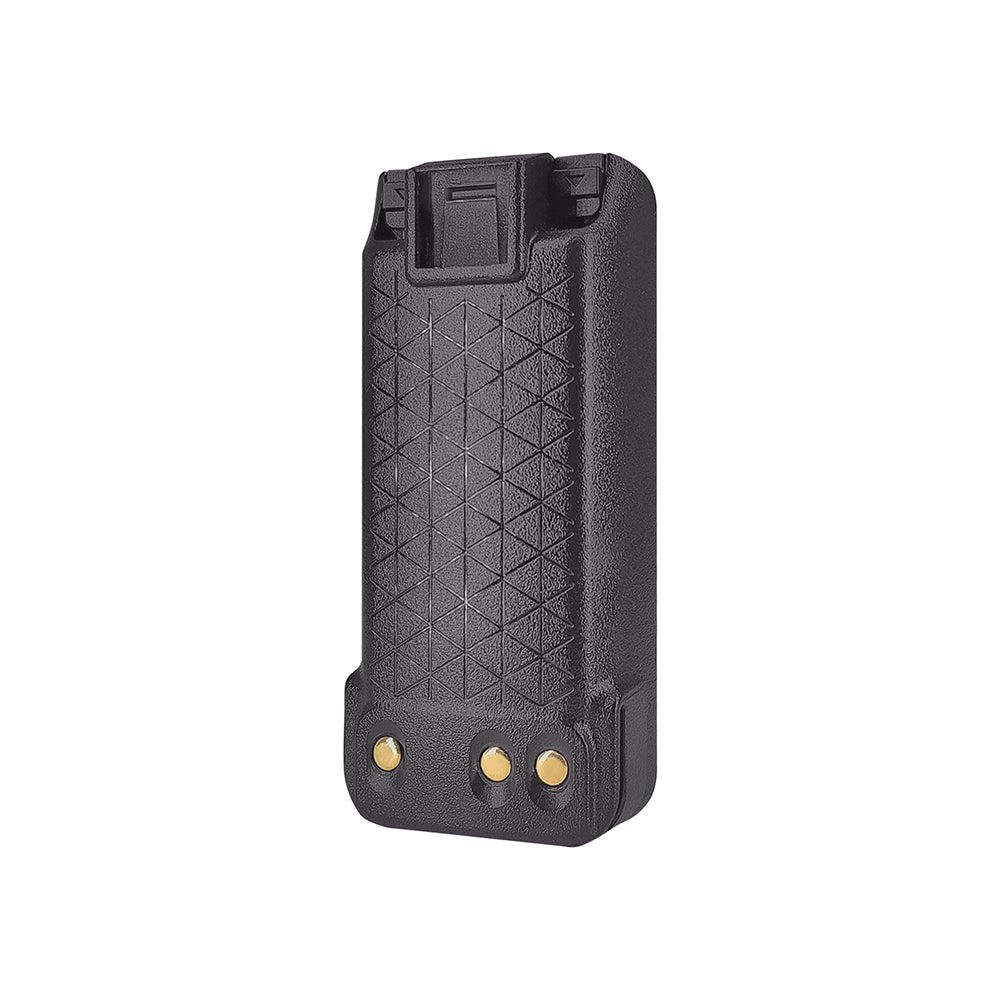
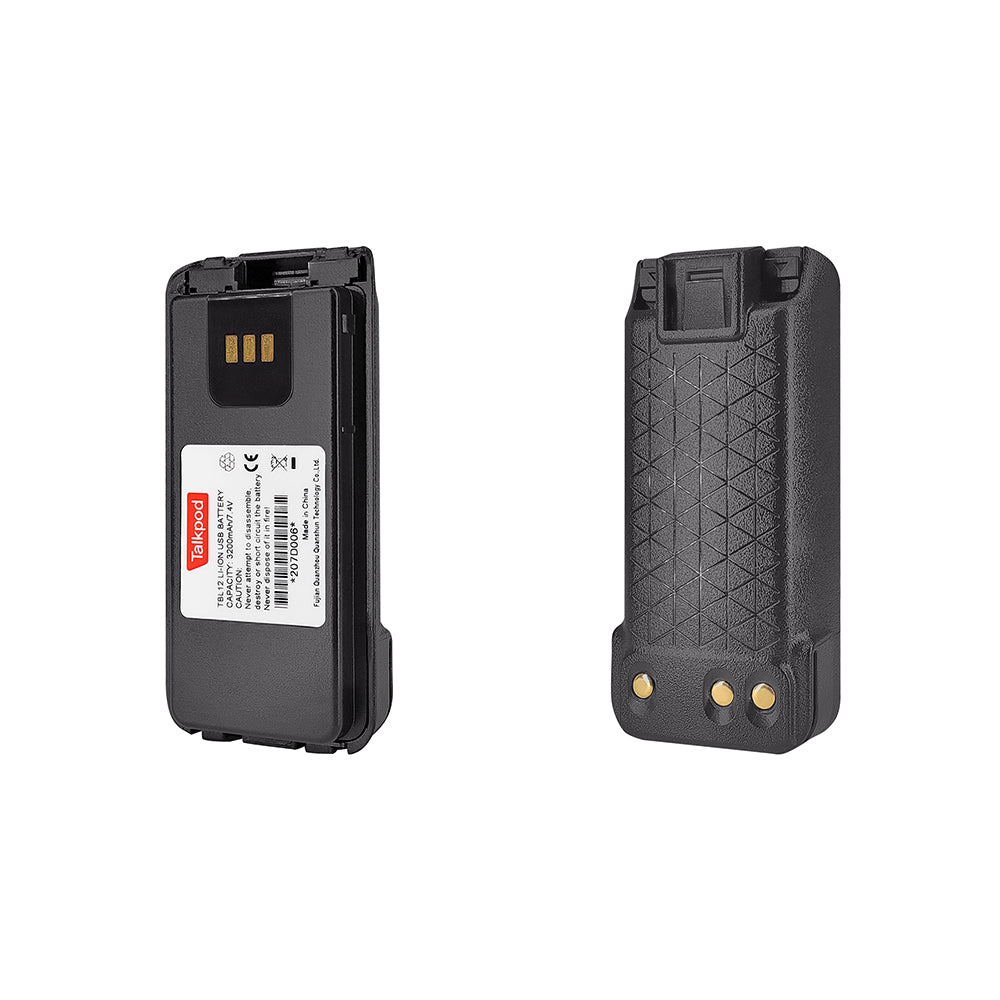
The A50P weighs about 235g, helping limit the additional burden on personnel during long patrols. Its rugged construction is intended for demanding outdoor conditions, while the standard 3200mAh battery supports up to 36 hours of operation and up to six days of standby time.
That endurance can support longer patrol assignments and reduce the need for frequent returns simply to recharge communication equipment. Actual battery performance will vary with usage and operating conditions, but the extended capacity gives teams more flexibility in remote areas.
Protecting the people who protect the forest
Forest rangers are often expected to notice danger before anyone else does. They monitor fire risks, protect natural resources and respond when people become lost or injured. Yet they frequently perform this work in places where ordinary communication is least dependable.
The Talkpod A50P helps forestry teams create a communication structure of their own. Its automatic networking, multi-hop relay, flexible group management, portable design and long battery life make it suited to patrol work beyond established infrastructure.
Its purpose is straightforward: to help a ranger’s report travel farther, reach the right team sooner and turn an isolated worker into part of a connected response.
In the forest, reliable communication is both a safety line for the ranger and an early-warning line for the land.

Leave a comment
All comments are moderated before being published.
This site is protected by hCaptcha and the hCaptcha Privacy Policy and Terms of Service apply.